ŽEljko Bebek
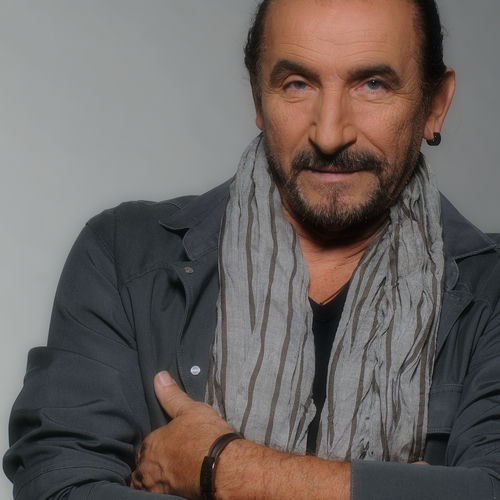
Željko Bebek: The Voice of Yugoslav Rock
Željko Bebek is a legendary Bosnian-Croatian rock singer and songwriter, best known as the frontman for the iconic Yugoslav band Bijelo Dugme. Hailing from Sarajevo, his powerful and distinctive voice defined the sound of the group during its most commercially successful era in the 1970s and 1980s, selling millions of records across the Balkans.
Early career
Born in 1945 in Mostar, then part of Yugoslavia, Željko Bebek began his musical journey in the late 1960s. He first gained attention as the vocalist for the Sarajevo-based band Kodeksi, before joining the progressive rock group Jutro in 1974, which would soon be famously rebranded by producer and guitarist Goran Bregović as Bijelo Dugme.
Breakthrough
Bebek's breakthrough came instantly with Bijelo Dugme's 1974 self-titled debut album, released on Jugoton. The album's lead single, "Da sam pekar," became a massive hit, establishing the band's signature hard rock sound infused with Balkan folk melodies and propelling them to nationwide fame.
Key tracks
Da sam pekar — This debut single became an instant anthem and set the template for Bijelo Dugme's early hard rock sound.
Selma — A quintessential rock ballad from the 1975 album 'Šta bi dao da si na mom mjestu', showcasing Bebek's emotional vocal range.
Ha, ha, ha — The title track from the 1978 album demonstrated a shift towards a more new wave-influenced direction.
Doživjeti stotu — A major hit from the 1980 album 'Doživjeti stotu', which achieved platinum sales status in Yugoslavia.
Lipe cvatu — One of the band's most enduring folk-rock songs, highlighting Bebek's ability to blend rock energy with traditional motifs.
Bebek fronted Bijelo Dugme for six studio albums, each a major commercial success that often achieved gold or platinum certification. His tenure included legendary performances at stadiums like Hajduk's stadium in Split, solidifying the band's status as Yugoslavia's biggest rock act. He departed the group in 1984 to pursue a solo career, releasing his first solo album 'Mene tjera neki vrag' that same year.
His solo work explored a variety of styles, from rock to more mainstream pop-rock, and he continued to record and perform actively. Bebek's influence remains profound, with his era of Bijelo Dugme consistently celebrated on classic rock radio throughout the former Yugoslav republics. For fans of the region's classic rock sound, similar artists include Goran Bregović for his cinematic folk-rock compositions, Divlje Jagode for their hard rock approach, and Prljavo Kazalište for their blend of rock energy and social commentary.
Željko Bebek's music maintains a constant presence on radio, featured on classic rock FM stations and online radio streams dedicated to the golden era of Yugoslav rock. His recordings with Bijelo Dugme are staples of any playlist focusing on Balkan rock history.
Listeners can discover the powerful rock vocals of Željko Bebek on radio stations featured on our website. Tune in to stations available on onairium.com to hear classic tracks from his definitive period with Bijelo Dugme and his solo career.