Виктор Цой
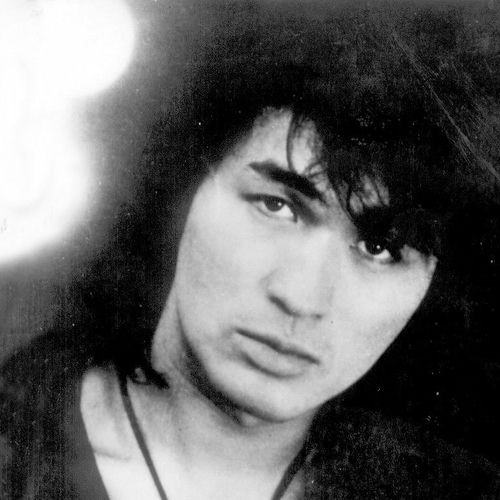
Виктор Цой: The Voice of Soviet Rock
Виктор Цой was the legendary frontman of the Soviet rock band Kino, becoming a cultural icon in Russia and across the Eastern Bloc. Hailing from Leningrad, now Saint Petersburg, his music defined a generation, with his band's final album, Чёрный альбом, achieving immense posthumous success and cementing his status as a rock legend.
Early career
Born in 1962 in Leningrad, Виктор Цой began his musical journey in the late 1970s amidst the Soviet underground rock scene. His first notable group was the band Palata No. 6, but his artistic path was truly set when he co-founded Kino in the early 1980s, recording early demos on homemade equipment.
The band's debut album, 45, was released in 1982, followed by 46 in 1983, capturing raw energy and poetic lyrics. These initial works were circulated via magnitizdat, the underground practice of copying and distributing music on cassette tapes, building a dedicated fanbase.
Breakthrough
Kino's national breakthrough came in 1986 with the album Ночь, but it was the 1988 record Группа крови that catapulted them to superstardom. Released by the state label Melodiya, the album's title track became an anthem for Soviet youth, selling millions of copies across the USSR.
The follow-up, 1989's Звезда по имени Солнце, further solidified their dominance, with its songs permeating every corner of Soviet life. While official certifications were not standard, these albums are universally recognized as multi-platinum cultural landmarks.
Key tracks
Группа крови — This powerful anthem became the definitive song of the perestroika generation and Kino's most recognizable track.
Звезда по имени Солнце — The title track from their penultimate album showcases Цой's matured songwriting and melancholic melody.
Кукушка — A hauntingly beautiful and introspective song that remains one of his most covered and revered compositions.
Пачка сигарет — A quintessential Kino track from Группа крови, blending driving rock with relatable, everyday poetry.
Перемен! — Its direct call for "change" resonated deeply as a political and social anthem during the late 1980s.
Цой also pursued a parallel career as a film actor, most notably in the 1988 cult film Игла (The Needle), which featured a soundtrack by Kino. His tragic death in a car accident in 1990 at the age of 28 shocked the nation, turning him into an immortal legend.
The posthumously released Чёрный альбом in 1990 served as a stark, raw farewell to fans. Today, Виктор Цой's legacy endures, with his music continuously rediscovered and his image remaining a potent symbol of artistic integrity.
Fans of Виктор Цой's poetic lyricism and driving post-punk sound often explore similar artists from the Soviet rock scene. Борис Гребенщиков led the band Аквариум, a pioneering force in Russian rock with complex lyrical themes. Алиса shares a similar energetic, guitar-driven sound and a status as a foundational hard rock act. Наутилус Помпилиус offered another intellectual and artistic approach to Russian rock music during the same era. ДДТ is another major band whose social commentary and rock style resonated with the same audience.
The music of Виктор Цой and Kino maintains a constant presence on radio airwaves dedicated to classic rock and alternative sounds. His songs are staples on specialty programs focusing on 80s