鈴木 弘
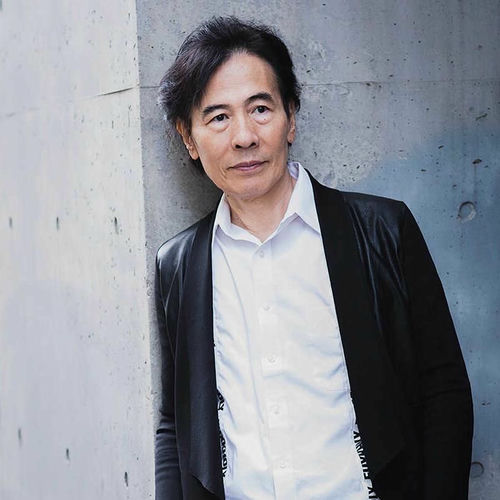
鈴木弘: The Pioneering Voice of Japanese Folk Rock
鈴木弘 (Suzuki Hiroshi) is a foundational Japanese singer-songwriter whose introspective lyrics and melodic guitar work helped define the domestic folk rock scene. Emerging from Tokyo's vibrant 1970s music culture, he achieved lasting fame with his multi-platinum selling 1975 album, "Kaze no Michi," which spent over a year on the Oricon charts.
Early career
Born in 1951 in Tokyo, Hiroshi Suzuki began his musical journey as a teenager, inspired by American folk revivalists and the burgeoning Japanese folk circuit. He performed regularly in the acoustic clubs of Shinjuku and Shibuya, honing a sound that blended Western folk structures with distinctly Japanese poetic themes. His independent 1972 single, "Asagao," caught the attention of major label Canyon Records (now Pony Canyon), which signed him and released his debut album "Hitori no Yoru" the following year.
Breakthrough
Suzuki's commercial and critical breakthrough arrived in 1975 with his third studio album, "Kaze no Michi." The album, released on Canyon Records, resonated deeply with a generation, selling over 800,000 copies and achieving double-platinum certification in Japan. Propelled by its hit singles, the record peaked at number 3 on the Oricon album chart and established Suzuki as a leading voice in the genre.
Key tracks
Kaze no Michi — The title track from his breakthrough album became an anthem of introspection and remains his most recognized song.
Asagao — His first single showcased his early, raw acoustic style and lyrical focus on everyday beauty.
Haru no Yo ni — This 1978 hit single demonstrated a shift towards a richer, full-band folk rock arrangement.
Yume no Tsuzuki — A celebrated 1981 collaboration with singer-songwriter Yumi Matsutoya that expanded his audience.
Toki no Wa — The lead single from his 1990 comeback album marked a mature return to his acoustic roots.
Throughout the late 1970s and 1980s, Suzuki continued to release successful albums like "Hikari no Ame" (1978) and "Portrait" (1982), consistently charting within the Oricon Top 20. He engaged in notable collaborations, including studio work with folk peer Takuro Yoshida and providing songs for popular idol Seiko Matsuda. After a period of reduced output, he made a respected return in 1990 with the album "Furusato," which was praised for its reflective songwriting.
Artists exploring a similar blend of melodic folk and soft rock include Yumi Matsutoya, who shares his gift for lyrical, piano and guitar-driven pop. Takuro Yoshida is another key figure from the same era, known for a parallel folk-rock narrative style. The acoustic intimacy of Kazumasa Oda also resonates with Suzuki's early work, while the later output of Off Course reflects a comparable evolution into polished, heartfelt pop rock.
鈴木弘's music maintains a steady presence on radio, particularly on Japanese classic hits FM stations and specialty programs dedicated to the Showa-era folk and rock canon. His timeless songs are staples on online radio streams focusing on acoustic and singer-songwriter genres, ensuring his voice reaches both nostalgic longtime fans and new listeners discovering this pivotal era.
Listeners can explore the influential catalog of 鈴木弘 through the dedicated Japanese folk and classic rock radio stations featured on our website. His defining tracks are regularly in rotation, offering a perfect gateway to his enduring sound on onairium.com.