









ABBA: The Swedish Pop Phenomenon
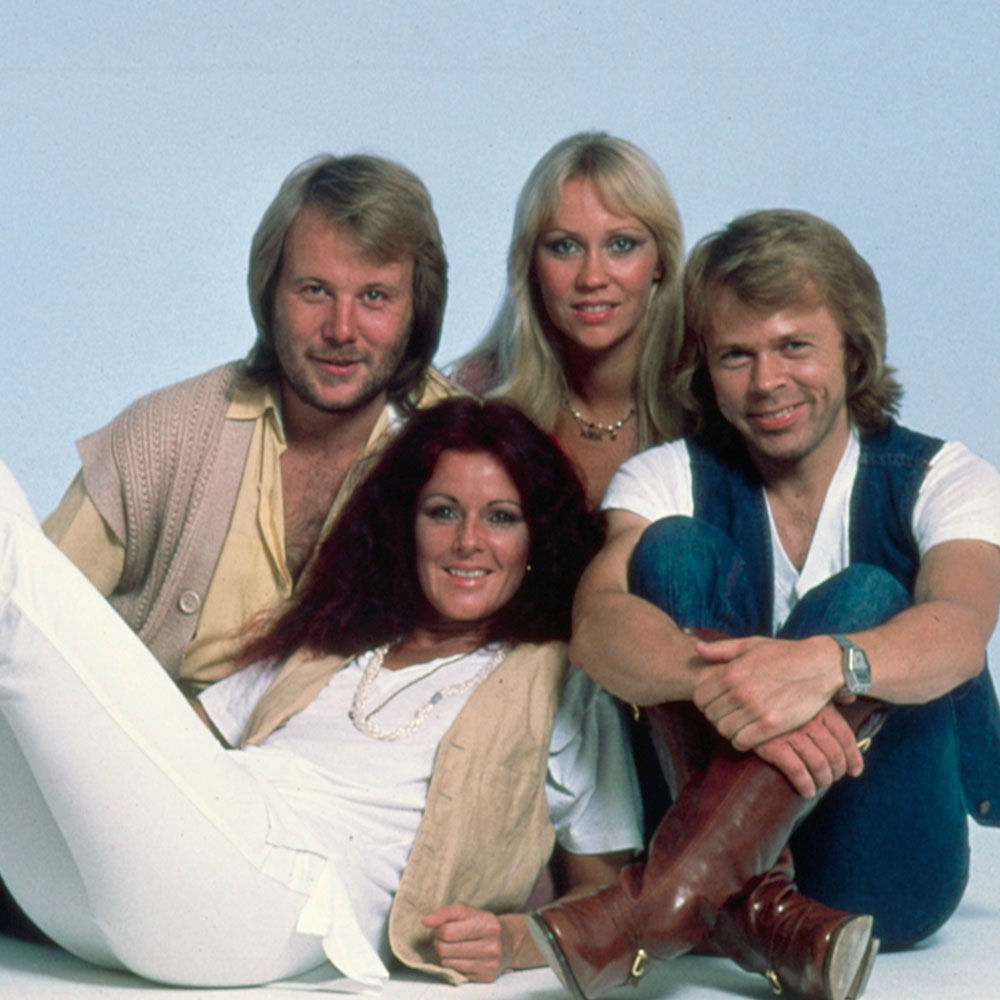
ABBA is a Swedish pop group that achieved global superstardom in the 1970s. Hailing from Stockholm, the quartet is one of the best-selling music artists in history, with estimates of over 400 million records sold worldwide.
Early career
The foundations of ABBA were laid in the late 1960s when the two couples, Björn Ulvaeus and Agnetha Fältskog, and Benny Andersson and Anni-Frid "Frida" Lyngstad, began collaborating. Each member was already an established musician in Sweden, with Fältskog and Lyngstad having solo careers and Ulvaeus and Andersson writing songs together.
They initially performed as "Björn & Benny, Agnetha & Anni-Frid" and released the album "Lycka" in 1970. Their early singles, like "People Need Love" in 1972 on the Polar Music label, showed glimpses of their signature harmonic pop sound but were only modestly successful outside Scandinavia.
Breakthrough
ABBA's international breakthrough arrived in 1974 with their victory at the Eurovision Song Contest in Brighton. Their winning song, "Waterloo," became a massive hit across Europe and in the United States, topping charts in multiple countries and certifying gold.
The success of "Waterloo" propelled their album of the same name and established their brand name, an acronym of the members' first names. This win launched a decade of chart dominance, making them Sweden's most successful music export.
Key tracks
Waterloo — This Eurovision winner broke the group internationally, blending glam rock with pure pop and defining their early sound.
Dancing Queen — Arguably their signature song, this global number-one hit from 1976's "Arrival" album is a timeless disco-pop anthem.
Mamma Mia — The title track from their 1975 album became a massive hit and later inspired the globally successful stage musical and film franchise.
The Winner Takes It All — A poignant 1980 ballad showcasing the group's sophisticated songwriting and emotional depth during a period of personal turmoil.
Take a Chance on Me — This energetic track from 1977's "ABBA: The Album" highlighted their intricate vocal arrangements and became a top-three hit in both the UK and US.
Following their breakthrough, ABBA entered a period of immense productivity and success, releasing a string of multi-platinum albums including "Arrival," "ABBA: The Album," and "Voulez-Vous." Their music, characterized by impeccable studio production, catchy melodies, and the distinctive blending of two female lead vocals, dominated global charts throughout the late 1970s.
Despite their professional peak, the group's personal relationships unraveled, with both couples divorcing by the early 1980s. This tension informed later works like "The Visitors," a more somber and electronically influenced album. ABBA ceased recording new music after 1982, though their commercial success continued unabated through compilations.
The group's legacy was powerfully revived in the 1990s with the "ABBA Gold" greatest hits compilation, which sold over 30 million copies. The stage musical "Mamma Mia!" premiered in 1999, introducing their music to new generations and leading to two blockbuster film adaptations. In a stunning move, ABBA returned in 2021 with the digital concert experience "ABBA Voyage" and a new album, "Voyage," which debuted at number one in the UK and several other countries.
Fans of ABBA's infectious pop craftsmanship often enjoy the work of fellow Swedish hitmakers Roxette, who also mastered the art of the global pop-rock anthem in the late 80s and 90s. The melodic sensibilities of the Norwegian duo a-ha share a similar European pop sophistication, albeit with a more synth-driven 80s aesthetic. For the harmonic vocal interplay, listeners might explore the British group The Human League, whose pop narratives also defined an era. The enduring pop legacy of
Similar artists