
Academy of Ancient Music: Pioneers of the Early Music Revival
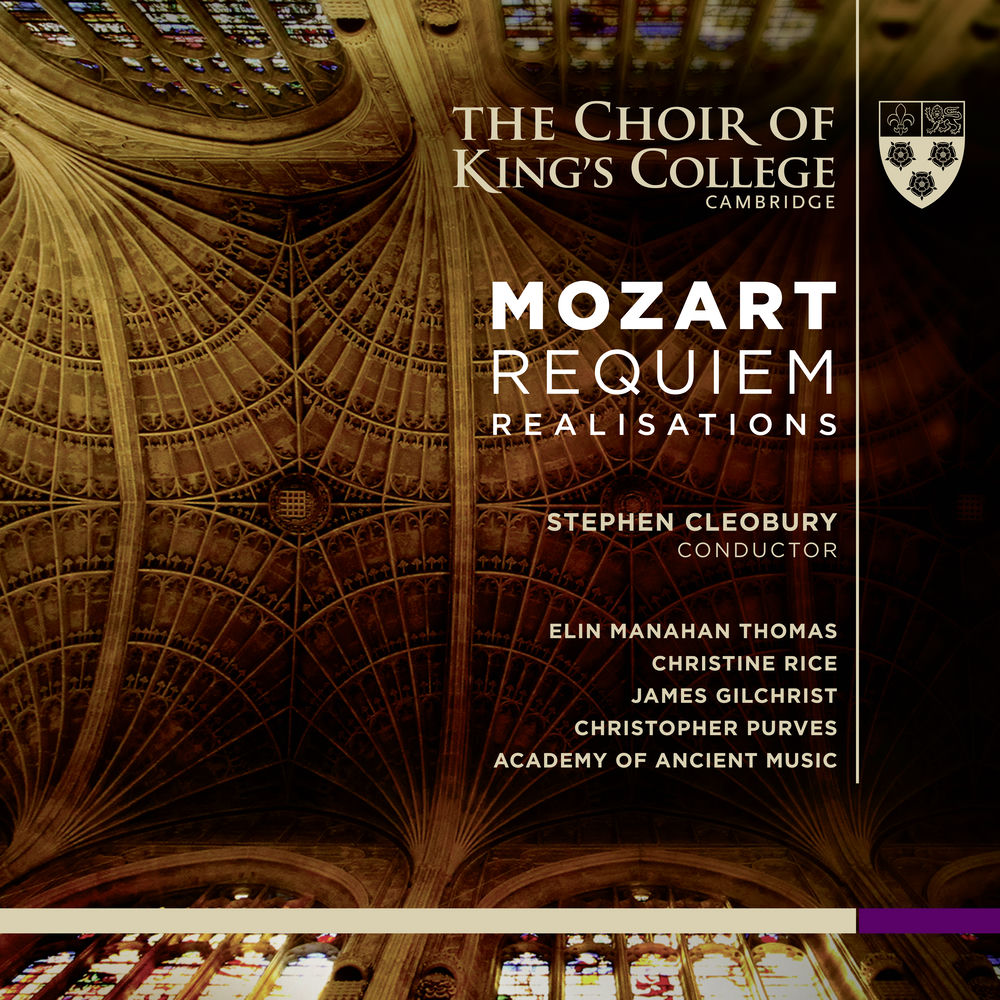
The Academy of Ancient Music is a British period-instrument orchestra dedicated to performing Baroque and Classical repertoire with historical authenticity. Founded in 1973, the ensemble is a cornerstone of the early music movement and has released over 300 recordings, achieving significant critical acclaim and commercial success within its genre.
Early career
The Academy of Ancient Music was formed in London by harpsichordist Christopher Hogwood in 1973, reviving the name of an earlier 18th-century society. Its mission was to apply rigorous scholarly research to performance, using instruments and playing techniques from the composers' own eras. The ensemble's early work for the L'Oiseau-Lyre label, including a landmark series of Mozart symphonies, established its reputation for clarity and vitality.
Breakthrough
The AAM's major breakthrough came with its ambitious project to record the complete Mozart symphonies on period instruments, a cycle begun in 1978 and completed in the early 1980s. This series, released on Decca's L'Oiseau-Lyre imprint, became a bestseller in the classical catalog, introducing a global audience to the historically informed performance style. Their recording of Handel's Messiah, released in 1980, further cemented their status, becoming a reference recording and achieving gold-certification sales in several markets.
Key tracks
Messiah, HWV 56: Hallelujah Chorus — This 1980 recording showcases the AAM's crisp articulation and vibrant choral forces, defining the sound of Baroque oratorio for a generation.
Symphony No. 40 in G Minor, K. 550: I. Molto allegro — A cornerstone of their Mozart cycle, this track highlighted the dramatic power and textural clarity possible with period instruments.
The Four Seasons, Op. 8: "Spring" — Their interpretation of Vivaldi's ubiquitous work, particularly under later director Richard Egarr, is noted for its fresh energy and rhetorical flair.
Water Music, Suite No. 1 in F Major, HWV 348: Alla Hornpipe — This piece exemplifies the ensemble's joyful and rhythmically precise approach to Handel's orchestral suites.
Orchestral Suites, BWV 1066-1069 — The AAM's Bach suites are celebrated for their dance-like buoyancy and meticulous attention to Baroque phrasing.
Following Hogwood's tenure, leadership passed to violinist Andrew Manze and later to harpsichordist Richard Egarr, each bringing new repertoire and interpretive ideas. The orchestra maintains a prolific recording schedule with major labels like Harmonia Mundi, exploring music from Purcell to Mendelssohn. Notable collaborations include projects with vocalists like Cecilia Bartoli and instrumental soloists such as mezzo-soprano Sarah Connolly, expanding their artistic reach.
Listeners who appreciate the Academy of Ancient Music often explore other leading lights of the historically informed performance scene. The English Concert, led by Trevor Pinnock, shares a similar commitment to Baroque precision. The Sixteen, under Harry Christophers, offers masterful choral interpretations from the same eras. Orchestra of the Age of Enlightenment is another key British period ensemble known for its collaborative spirit. For French Baroque repertoire, Les Arts Florissants, directed by William Christie, provides a distinctive stylistic counterpart.
The Academy of Ancient Music's extensive discography is a staple on dedicated classical music radio stations and specialized early music programs. Their recordings are frequently featured on public radio networks, university radio stations focusing on classical repertoire, and online streams dedicated to Baroque and Classical periods. The ensemble's consistent output ensures their music remains in regular rotation for audiences seeking authentic historical performances.
You can hear the pioneering work of the Academy of Ancient Music on the classical and early music radio stations featured on our website. Explore the stations available on onairium.com to discover their vast catalog of recordings, from iconic Baroque masterpieces to lesser-known Classical gems, all delivered with scholarly insight and infectious energy.