
Adelaide Hall: The Pioneering Jazz Vocalist
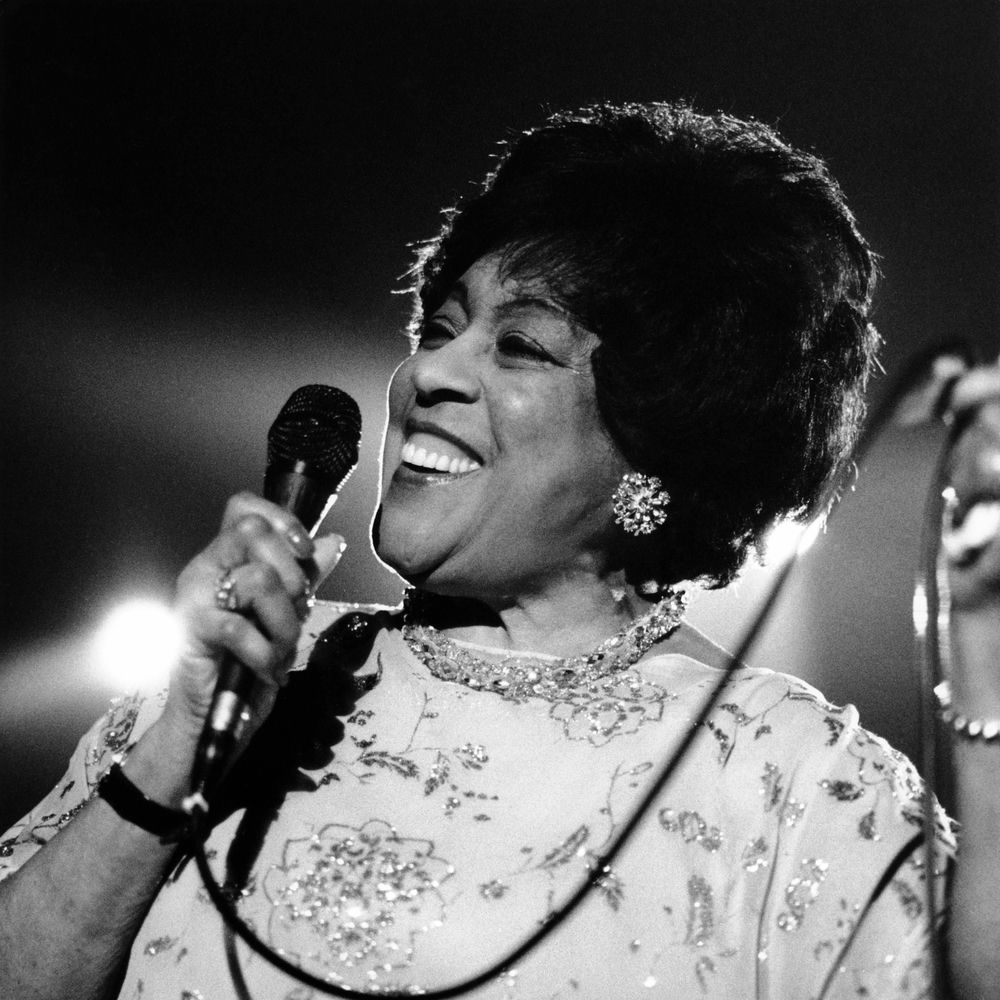
Adelaide Hall was a groundbreaking American-born jazz singer and entertainer whose career spanned seven decades. Her major achievement was becoming a defining voice of the Harlem Renaissance and one of the first internationally successful Black female recording artists.
Early career
Born in 1901 in Brooklyn, New York, Adelaide Hall began her career on the Broadway stage. Her first significant break came in 1921 when she was cast in the groundbreaking all-Black Broadway musical Shuffle Along.
She transitioned to music recording in the late 1920s, working with major labels like Victor and Brunswick. Her early work established her as a versatile performer comfortable in both theatrical and purely musical settings.
Breakthrough
Adelaide Hall's true breakthrough arrived in 1927 with the recording of Creole Love Call with Duke Ellington and his Orchestra. The track, released on the Victor label, became a massive hit and is considered a landmark in jazz history for her innovative wordless vocal technique.
This collaboration propelled her to stardom, leading to a prolific recording period. She capitalized on this success with extensive tours and further recordings that solidified her status in the jazz world.
Key tracks
Creole Love Call — This 1927 collaboration with Duke Ellington showcased her revolutionary scat singing and became her signature recording.
I Must Have That Man — A popular hit from 1928 that demonstrated her skill with lyrical delivery and sophisticated phrasing.
Diga Diga Doo — A vibrant recording from the Broadway show "Blackbirds of 1928" that highlighted her energetic stage style.
The Blues I Love To Sing — Another successful late-1920s recording that cemented her reputation as a masterful interpreter of blues-inflected jazz.
Following her American success, Adelaide Hall moved to Europe in the 1930s, eventually settling in the United Kingdom. She became a major star in London, performing in prestigious venues like the Palladium and opening her own nightclub, The Florida.
Her career endured through the decades, with notable later work including the 1983 album Hall of Fame. Adelaide Hall continued to perform until her passing in 1993, leaving behind a vast recorded legacy that influenced countless vocalists in jazz and beyond.
For fans of Adelaide Hall's timeless style, explore similar artists featured on our site like Ethel Waters, a contemporary who also bridged Broadway and classic jazz. Discover Billie Holiday for another pioneering female vocalist who transformed jazz singing. Listen to Duke Ellington for the sound of her most famous collaborator. The sophisticated delivery of Sarah Vaughan also carries echoes of Hall's innovative approach.
The music of Adelaide Hall maintains a steady presence on classic jazz FM stations and dedicated online jazz radio streams. Her recordings are staples on programs focusing on the Harlem Renaissance and the golden age of vocal jazz across independent music radio stations.
Listeners can explore the enduring legacy of Adelaide Hall's jazz catalog through the radio stations featured on onairium.com. Tune in to hear her pioneering vocals and timeless recordings broadcast on our curated selection of stations.