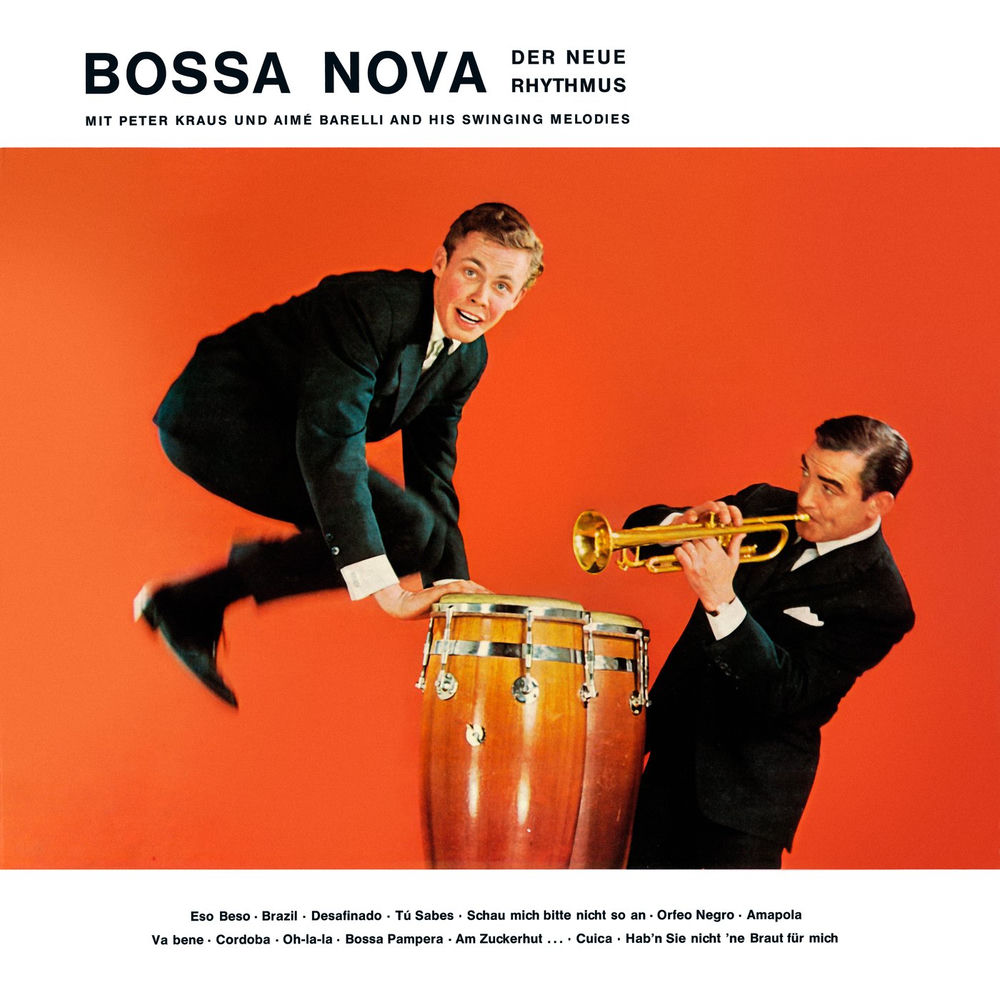
Aimé Barelli: The French Jazz Trumpet Maestro
Aimé Barelli was a French trumpeter, bandleader, and composer who became a major figure in European jazz and popular music. Hailing from Nice, his career spanned decades, marked by hit records, prestigious collaborations, and leadership of one of France's most celebrated post-war orchestras.
Early career
Aimé Barelli was born in 1917 in Nice, France. He began his professional musical journey in the 1930s, playing trumpet in various dance bands before the outbreak of World War II. His early promise was noted, and he performed with notable ensembles, honing the smooth, melodic style that would define his later work.
Breakthrough
Barelli's major breakthrough came in the post-war years, particularly after forming his own orchestra in 1946. His ensemble quickly gained popularity for its sophisticated blend of jazz and chanson, leading to a prolific recording career with labels like Pathé and Columbia. The orchestra's refined sound scored significant chart success, with several singles achieving gold status in France throughout the 1950s and 1960s.
Key tracks
Les Lavandières du Portugal — This 1955 instrumental hit became Barelli's signature tune, showcasing his orchestra's vibrant, cinematic style and topping charts across Europe.
Prière sans paroles — A beautiful trumpet-led ballad that exemplified Barelli's lyrical playing and his talent for crafting emotive, popular melodies.
Mambo Italiano — Barelli's energetic and wildly popular cover of this standard demonstrated his orchestra's versatility and ability to dominate the dance floors.
Domino — Another major hit for the Barelli orchestra, this track cemented his reputation as a master of catchy, impeccably arranged instrumental pop.
Barelli's orchestra served as a launchpad for several legendary vocalists, most notably the young Luis Mariano and the iconic Dalida. His collaboration with Dalida in the mid-1950s, including on her early hit Bambino, was instrumental in her rise to stardom. Beyond performing, Barelli was a respected musical director for French television and radio, further solidifying his influence on the national music scene for years.
Fans of Aimé Barelli's elegant, danceable sound should also explore the work of similar French ensemble leaders. Raymond Lefèvre led a similarly successful orchestra known for its lush instrumental hits. Paul Mauriat achieved global fame with his distinct brand of orchestral pop, including the smash "Love is Blue." Franck Pourcel was another peer whose "Strings" ensemble defined a refined, popular French musical style. Lastly, André Popp shared Barelli's innovative spirit in arranging and composing within the easy listening and jazz genres.
The timeless jazz and orchestral pop of Aimé Barelli maintains a steady presence on radio. His classic hits are staples on French nostalgia stations, international easy listening channels, and dedicated online jazz streams that celebrate the golden age of mid-century orchestral music.
Listeners can explore the sophisticated sound of Aimé Barelli and his orchestra on various radio stations featured here. Tune in to discover the enduring appeal of this French jazz maestro through the curated stations available on onairium.com.