Aimé Barelli et son orchestre: The French Swing and Jazz Maestro
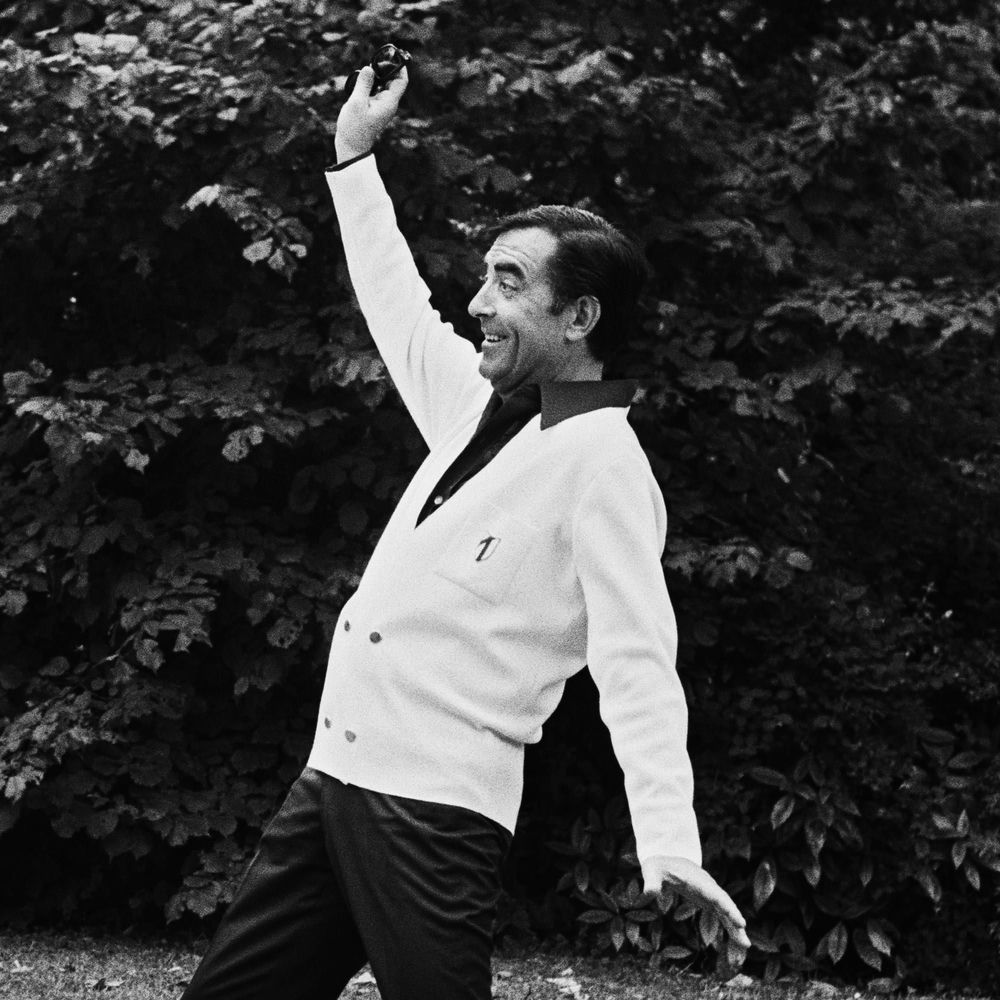
Aimé Barelli was a French trumpeter, bandleader, and composer who led one of the most popular swing and jazz orchestras in post-war France. Hailing from Nice, his ensemble achieved significant commercial success, with several recordings selling hundreds of thousands of copies and becoming staples of the French musical landscape in the 1940s and 1950s.
Early career
Aimé Barelli was born in 1917 and began his musical journey as a classical trumpet student at the Conservatoire de Nice. His early professional work included playing in dance bands and casinos along the French Riviera, where he honed his skills before forming his own orchestra in the late 1930s.
Breakthrough
The breakthrough for Aimé Barelli et son orchestre came in the immediate post-war years, particularly with the 1946 release of the infectious tune Les Trois Cloches. This recording, featuring vocalist Edith Piaf, became a massive hit and established the orchestra's national fame. The collaboration with Piaf, released on the Pathé label, propelled Barelli's ensemble to the forefront of the French music scene.
Key tracks
Les Trois Cloches — This 1946 collaboration with Edith Piaf was a defining hit that catapulted the orchestra to widespread popularity.
Mademoiselle Hortensia — A lively and catchy original composition that became one of the orchestra's signature instrumental numbers.
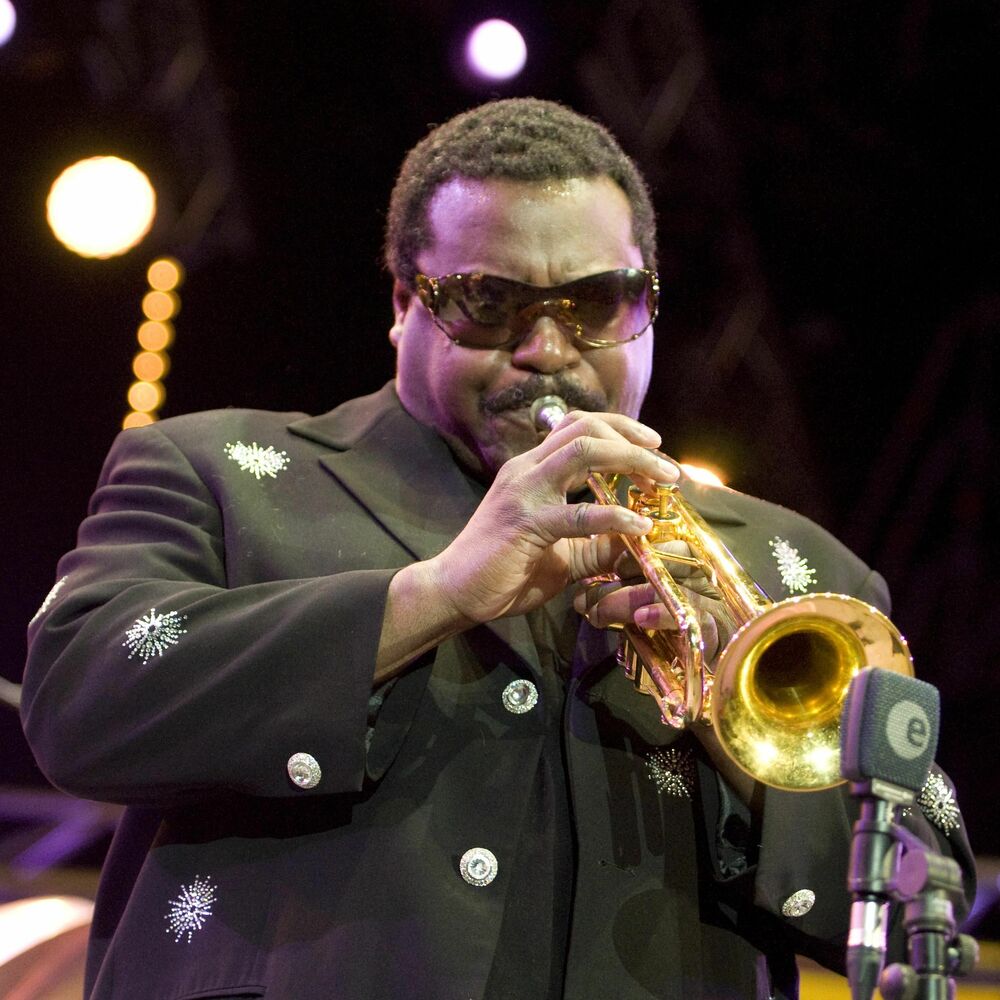
Maître Pierre — Another successful Barelli composition, showcasing the band's tight, melodic swing style and his own crisp trumpet playing.
C'est si bon — The orchestra's sophisticated arrangement of this later jazz standard highlighted their adaptability and polished sound.
The success of these recordings led to extensive touring, radio broadcasts, and further studio work for the Polydor and Pathé labels. Aimé Barelli et son orchestre became a fixture on French radio, known for a repertoire that blended American-style swing with a distinctly French melodic sensibility. The band also served as a platform for several vocalists, including the young Dalida early in her career.
Artists with a similar elegant, dance-oriented swing sound from the same era include Ray Ventura, who led another seminal French jazz orchestra. André Rieu continues a legacy of popular orchestral entertainment in Europe. For the quintessential French vocal jazz of the period, explore Yves Montand, who often performed with similar orchestral backing.
The music of Aimé Barelli et son orchestre maintains a regular presence on specialized radio formats. It is featured on classic French variety stations, nostalgic music channels, and dedicated online jazz and swing streams that celebrate mid-20th century popular music.
Listeners can explore the timeless swing of Aimé Barelli et son orchestre through the radio stations featured on onairium.com. Tune in to discover the polished brass and infectious rhythms that made this French orchestra a beloved institution for a generation.