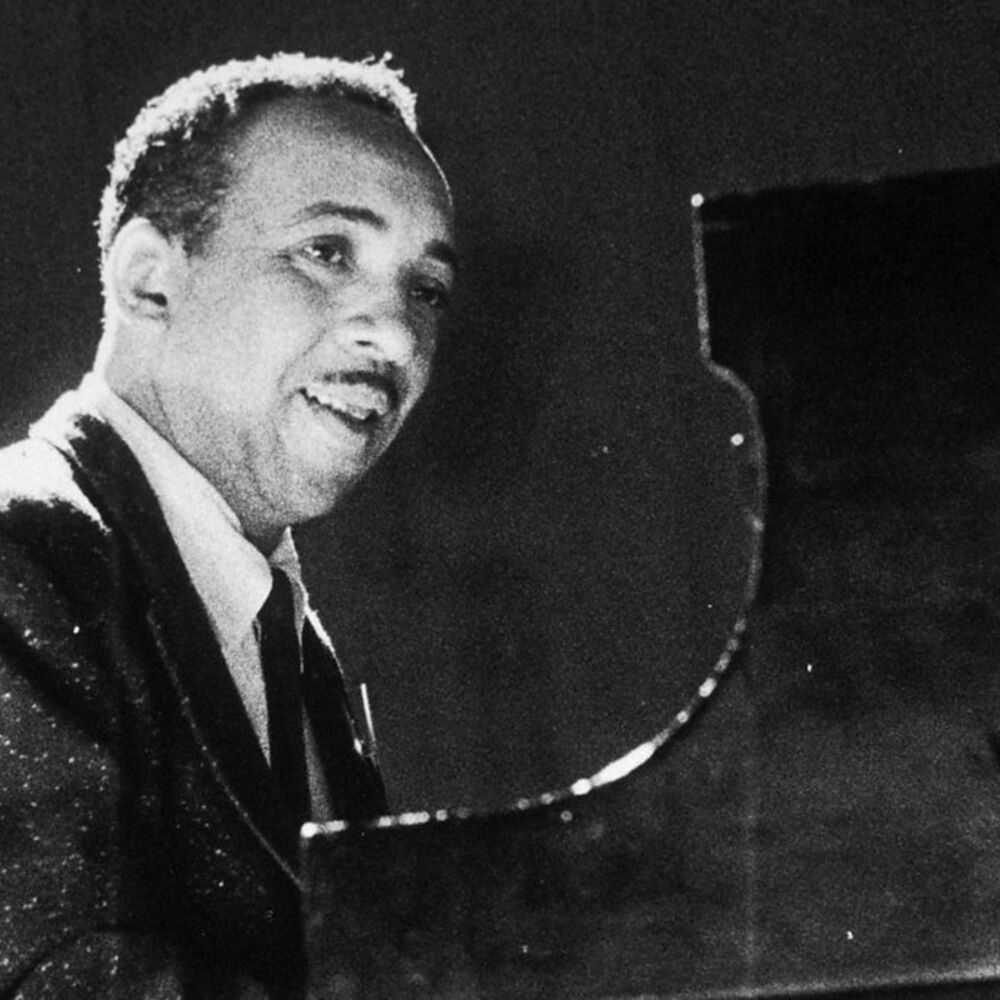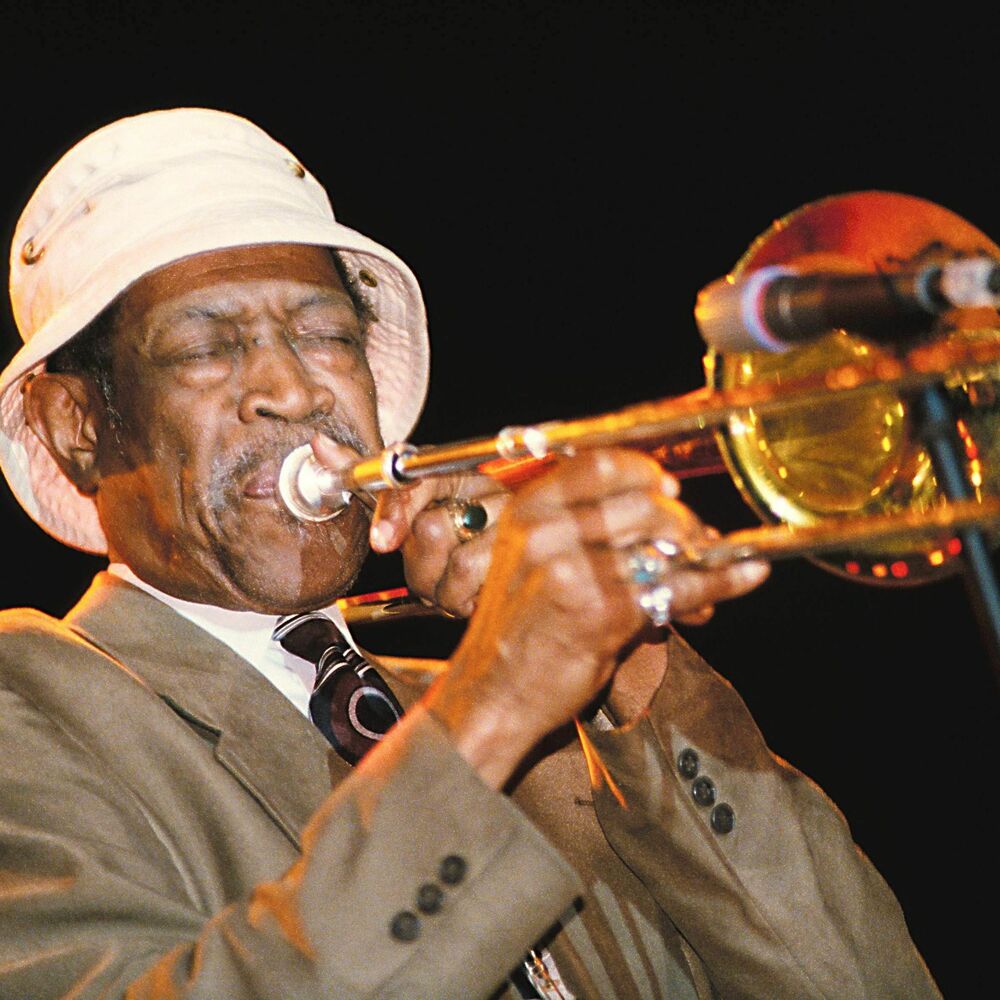

Al Grey: The Master of the Plunger Mute in Jazz
Al Grey was an American jazz trombonist celebrated for his mastery of the plunger mute and his powerful, blues-drenched sound. Hailing from Aldie, Virginia, his career spanned over five decades, marked by influential stints with major big bands and a successful run as a bandleader and recording artist.
Early career
Born in 1925, Al Grey's musical journey began in the U.S. Navy bands during World War II. After his service, he honed his craft on the road, playing in the ensembles of Benny Carter, Jimmie Lunceford, and Lionel Hampton throughout the late 1940s and 1950s. This period was crucial for developing his robust, expressive style and his signature use of the plunger mute to create vocal-like growls and smears.
Breakthrough
Al Grey's profile rose significantly during his tenure with Count Basie's orchestra, which he joined in 1957. His featured solos on albums like Chairman of the Board and Basie One More Time showcased his thrilling technique and showmanship to a global audience. This association with one of jazz's most iconic bands cemented his reputation as a premier trombonist in the swing and hard bop genres.
Key tracks
I Remember Clifford — This poignant ballad performance with Count Basie is a masterclass in muted, lyrical trombone playing.
Night Train — Grey's aggressive, plunger-muted solo on this live staple with the Basie band became one of his most recognizable moments.
Struttin' with Some Barbecue — A standout from his collaborative album with Jimmy Forrest, it perfectly blends traditional jazz sensibility with Grey's modern, bluesy attack.
Grey's Blues — As a bandleader, this track from the 1962 album Snap Your Fingers exemplifies his soulful, accessible approach to the jazz idiom.
The Sermon — His contribution to this Jimmy Smith classic on the 1958 album House Party highlights his adaptability in a small-group, soul jazz setting.
After leaving Basie in the early 1960s, Al Grey co-led a popular quintet with tenor saxophonist Billy Mitchell and later formed the Al Grey–Britt Woodman Quintet, exploring the rich tradition of two-trombone front lines. He recorded numerous albums as a leader for labels like Argo, Tangerine, and Black & Blue, including the well-received Al Grey with the Gerald Wilson Orchestra in 1988. Grey enjoyed a prolific late-career resurgence, touring internationally and recording until his passing in 2000, leaving behind a vast discography that influenced generations of trombonists.
Fans of Al Grey's swinging, blues-inflected trombone style also appreciate the work of J.J. Johnson, who pioneered the bebop approach to the instrument. Jimmy Forrest was a frequent collaborator whose soulful tenor sax complemented Grey's sound perfectly. The big band legacy is carried on by artists like Count Basie, whose orchestra provided Grey's most famous platform. For more plunger mute artistry, listeners often turn to Trummy Young, known for his work with Louis Armstrong.
Al Grey's music remains a staple on classic jazz FM stations and dedicated big band radio streams, where his solos continue to demonstrate the power and personality of the trombone. Online jazz radio stations frequently feature his recordings from both his sideman and leader periods, ensuring his legacy stays vibrant for new listeners.
The music of Al Grey, a titan of jazz trombone, can be heard on radio stations featured on our website. Listeners can discover his influential catalog through the classic jazz and big band radio stations available on onairium.com.