Al Jolson
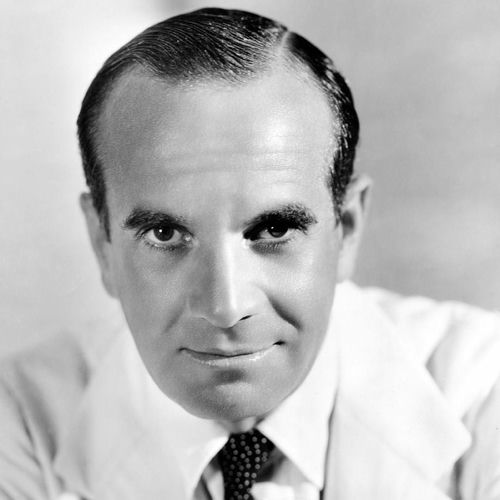
Al Jolson: The Monumental Star of Vaudeville and Early American Pop
Al Jolson was an American singer, comedian, and actor who became the most popular and highest-paid entertainer in the United States during the first half of the 20th century. Born in Lithuania and raised in Washington, D.C., his main achievement was becoming a multimedia superstar whose record sales, Broadway success, and pioneering film work defined an era of American entertainment.
Early career
Born Asa Yoelson in 1886, Jolson began performing on the streets and in beer halls as a child. He broke into vaudeville, developing his signature energetic and sentimental style, which involved direct, pleading interaction with his audience, often performed in blackface makeup, a common but deeply problematic practice of the time.
Breakthrough
Jolson's Broadway stardom exploded with the show "Sinbad" in 1918, which featured the standard "Swanee." His true national breakthrough came with the 1927 film "The Jazz Singer," the first feature-length motion picture with synchronized dialogue and musical sequences. Released by Warner Bros., it was a monumental commercial success and cemented his status as "The World's Greatest Entertainer."
Key tracks
Swanee — This 1919 recording, written by George Gershwin, became Jolson's first major hit, selling over two million copies and becoming his signature opening number.
My Mammy — A quintessential Jolson performance piece, this song was central to his emotional stage persona and was famously featured in "The Jazz Singer."
April Showers — This 1921 hit exemplified his ability to blend optimism with pathos, becoming one of his most enduring and frequently recorded songs.
California, Here I Come — Another massive hit from 1924, this song is forever associated with Jolson's vibrant, anticipatory delivery and showmanship.
Toot, Toot, Tootsie! (Goo' Bye) — This lively number was another key part of his repertoire and was also featured prominently in his groundbreaking film.
Jolson's career continued to dominate through the 1930s and 1940s with successful films like "The Singing Fool" and popular radio shows. He was known for his relentless touring, especially for performing for Allied troops during World War II. His influence on later performers across genres, from Bing Crosby to Mick Jagger, is widely acknowledged by music historians.
For fans of Al Jolson's classic American style and commanding vocal delivery, explore similar foundational artists from the same era. Bing Crosby brought a more intimate, crooning style to popular music and dominated mid-century radio and records. Eddie Cantor was another towering vaudeville and radio star known for his energetic performances and comedic songs. Sophie Tucker, "The Last of the Red-Hot Mamas," shared Jolson's powerful, direct stage presence and long-lasting vaudeville roots.
Al Jolson's music remains a staple on classic pop and nostalgia radio stations, as well as dedicated online streams focusing on the Great American Songbook and early 20th-century entertainment. His recordings are regularly featured in programming blocks celebrating the origins of popular music and broadcast entertainment history.
Listeners can discover the enduring legacy of Al Jolson by tuning into the classic entertainment and historical music radio stations available on onairium.com, where his pioneering performances continue to be celebrated.