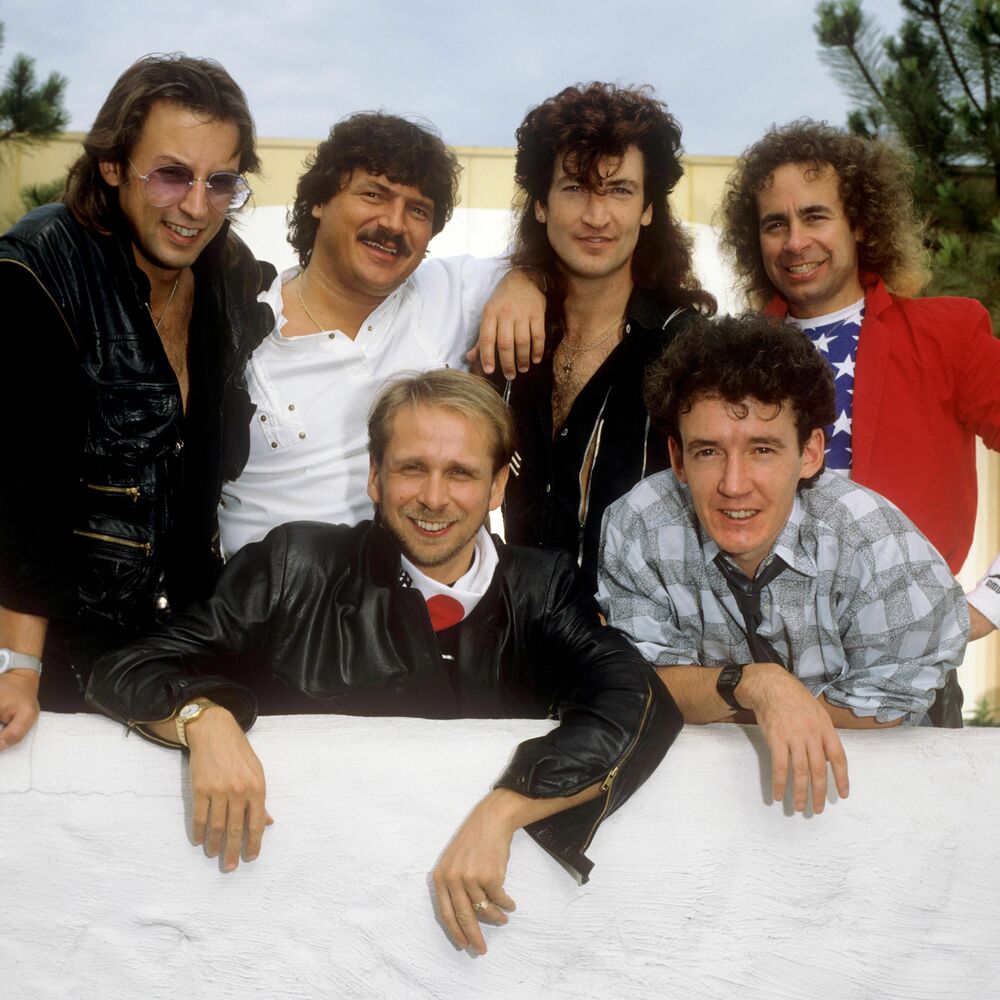

Al Stewart
 United Kingdom
Listen Al Stewart on radio stations:









Al Stewart: The History-Minded Bard of Folk Rock
Al Stewart is a Scottish-born singer-songwriter who carved a unique niche in the 1970s folk rock scene by weaving intricate historical narratives into melodic, accessible pop songs. His commercial peak arrived with the 1976 album "Year of the Cat," a sophisticated blend of soft rock and story-driven songwriting that spawned a major hit single and defined his enduring legacy.
Early Career
Born in Glasgow, Scotland, in 1945, Al Stewart moved to England as a child and emerged as part of the same London folk club circuit that nurtured artists like Cat Stevens and Roy Harper. His early albums, such as "Bed-Sitter Images" (1967) and "Love Chronicles" (1969), established his detailed lyrical style, with the latter featuring an 18-minute title track and guitar work from a young Jimmy Page.
Breakthrough
Stewart's meticulous approach culminated in his seventh studio album, 1976's "Year of the Cat." Produced by Alan Parsons, the album's lush, baroque-pop instrumentation and cinematic storytelling provided the perfect backdrop for the title track, which became a top-ten hit on the Billboard Hot 100 in the United States. The album achieved platinum certification in the US, cementing Stewart's transatlantic success and becoming a staple of classic rock and soft rock radio.
Key Tracks
Year of the Cat - The sophisticated, saxophone-driven single that became Stewart's signature hit, breaking him in the American market.
Time Passages - The title track from his 1978 follow-up album, which continued his successful formula and also became a major soft rock radio staple.
On the Border - Another track from "Year of the Cat," showcasing Stewart's ability to frame historical and political themes within a catchy, folk-pop arrangement.
Nostradamus - An earlier example of his historical songwriting, from the 1973 album "Past, Present and Future," focusing on the famed French seer.
Following the success of "Time Passages," Stewart continued to record and tour consistently, exploring various historical periods and personal themes across albums like "24 Carrots" (1980) and "Russians & Americans" (1984). His work remains characterized by its literary quality and melodic craftsmanship, appealing to fans of both folk storytelling and polished pop-rock. While never replicating the massive chart success of his late-70s output, Al Stewart has maintained a dedicated global fanbase, respected for his intelligent songwriting and contributions to the folk rock genre.
Artists with a similar narrative folk-rock style include Cat Stevens, who shared the same London folk club origins. The detailed historical storytelling finds a parallel in the work of Richard Thompson, another pivotal figure in British folk rock. For the melodic soft rock side of his sound, listeners often enjoy America. The lyrical sophistication also connects him to fellow storyteller Gordon Lightfoot.