
Alan Rawsthorne: The British Modernist Composer
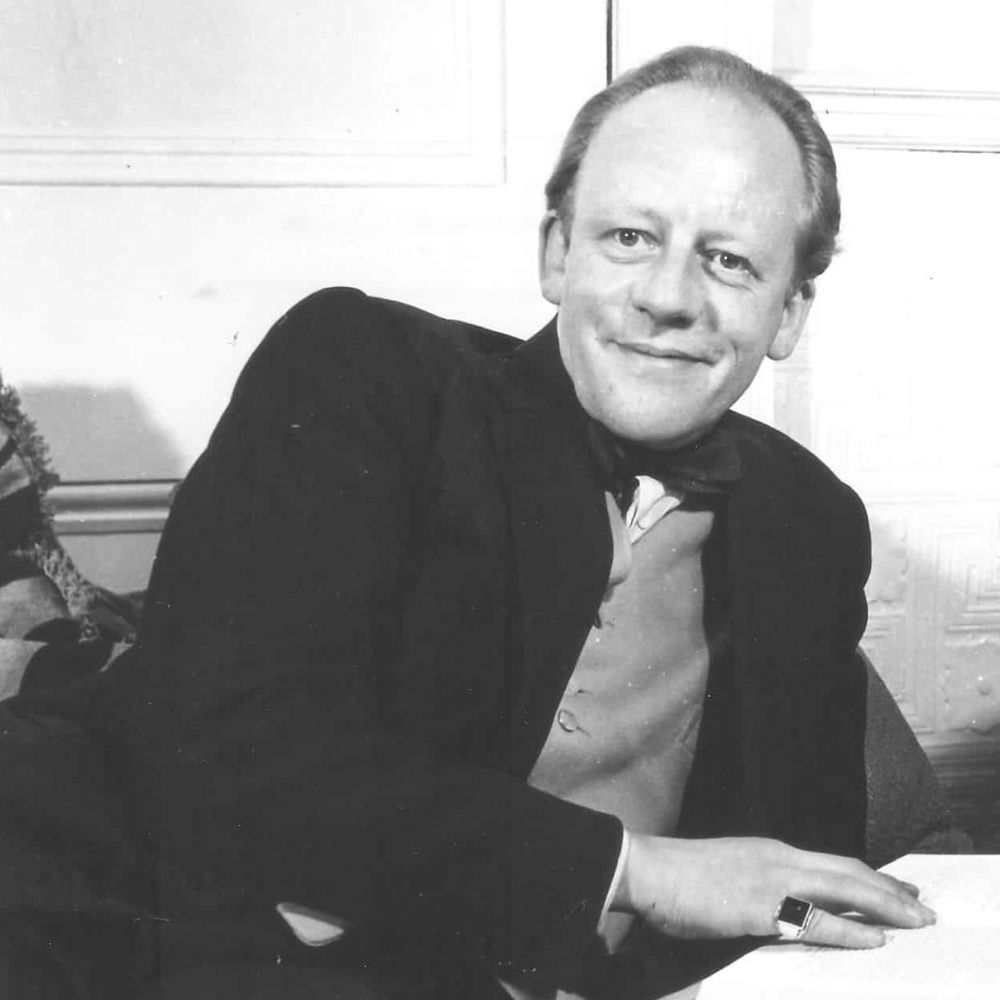
Alan Rawsthorne was a significant English composer of the mid-20th century, known for his distinctive voice within the realm of British classical music. Hailing from Haslingden, Lancashire, his achievement lies in a substantial body of orchestral, chamber, and film music that earned him critical respect and several prestigious commissions throughout his career.
Early career
Born in 1905, Alan Rawsthorne initially trained as a dentist before fully committing to music. He studied at the Royal Manchester College of Music and later with the pianist Egon Petri, establishing a foundation that blended English lyricism with a modern, contrapuntal style. His early recognition came with works like the Theme and Variations for Two Violins in 1937, which signaled a major new talent in British composition.
Breakthrough
Rawsthorne's wider public breakthrough is often linked to his music for film, particularly the scores for "The Captive Heart" (1946) and "The Cruel Sea" (1953). However, his concert hall reputation was solidified by works like his Symphonic Studies (1938) and his First Piano Concerto, written for pianist Clifford Curzon and premiered at the 1942 Proms. These works, published by labels like Oxford University Press, established his complex, thoughtful style in the national consciousness.
Key tracks
Symphonic Studies — This early orchestral work announced Rawsthorne's mature voice, showcasing his mastery of variation form and intricate orchestration.
Piano Concerto No. 1 — A cornerstone of his output, this concerto's dramatic intensity and lyrical passages made it a favorite among post-war British pianists.
Concerto for String Orchestra — Composed in 1949, this piece highlights his neoclassical clarity and driving rhythmic energy, becoming a staple of the string orchestra repertoire.
Street Corner Overture — A lively and accessible concert overture from 1944, it reflects the composer's ability to write engaging, direct music with contemporary flair.
Violin Concerto No. 1 — Written for the renowned violinist Yehudi Menuhin in 1947, this collaboration marked a high point in Rawsthorne's international profile.
His later career included two more symphonies, concertos for cello and violin, and numerous chamber works. He maintained a consistent output, often working on commissions from major orchestras and festivals, though his music never sought mainstream commercial chart success in the pop sense. Alan Rawsthorne's style is characterized by its intellectual rigor, rhythmic vitality, and a certain austere beauty, placing him as a key figure between the pastoralists and the avant-garde.
Listeners who appreciate the crafted modernism of Alan Rawsthorne might also explore William Alwyn, another master of mid-century British film and concert music. Edmund Rubbra shares a similar depth of symphonic thought and contrapuntal skill. Elisabeth Lutyens offers a more radical, serialist perspective from the same British milieu. Michael Tippett represents another towering figure whose complex, rhythmically charged works resonate with Rawsthorne's aesthetic.
Alan Rawsthorne's compositions remain in rotation on dedicated classical music FM stations and specialist online radio streams focusing on 20th-century repertoire. His film scores also feature on radio programs dedicated to cinematic music, ensuring his work reaches new audiences.
The music of Alan Rawsthorne, a pivotal English composer, can be heard on various classical and specialist radio stations featured on our website. Listeners can discover his influential body of work by tuning into the radio stations available on onairium.com.