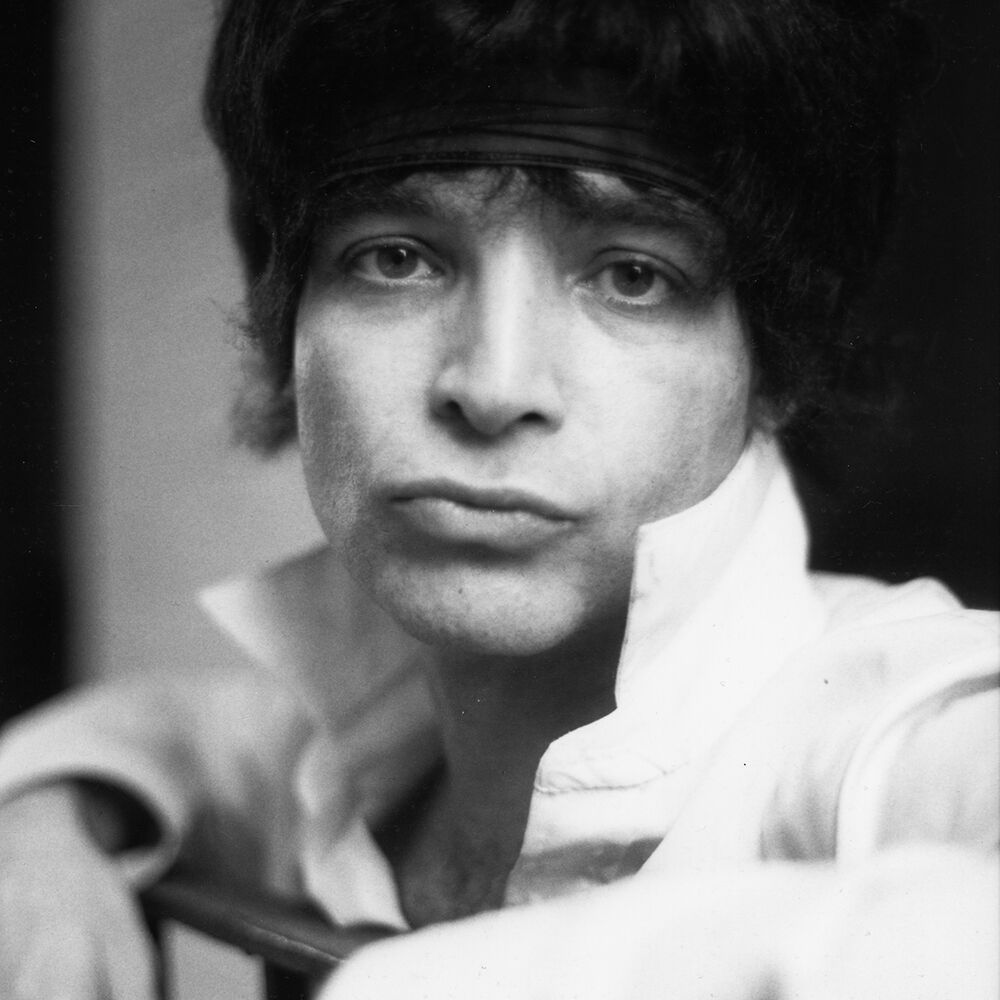
Alan Vega
 Mauritius
Alan Vega: The Primal Voice of Punk and Electronic Minimalism
Alan Vega was an American vocalist and visual artist best known as one half of the pioneering electronic duo Suicide. Born in Brooklyn, New York, his confrontational stage presence and stark, repetitive music with partner Martin Rev laid a crucial foundation for punk, synth-pop, and industrial music. While not a mainstream chart success, Suicide's 1977 self-titled debut album is widely recognized as a landmark work that challenged the conventions of rock and roll.
Early career
Born Alan Bermowitz in 1938, his artistic journey began in the visual arts, earning an M.S. in physics before turning to sculpture. He became involved in the Project of Living Artists collective in New York City. His transition to music was a natural extension of his performance art, leading to the formation of Suicide with keyboardist Martin Rev in the early 1970s, a band named after a Ghost Rider comic book.
Breakthrough
Suicide's notorious live shows, where Vega wielded a motorcycle chain and confronted hostile audiences, built their infamy in the New York punk scene at clubs like CBGB. Their 1977 debut album, Suicide, released on the independent Red Star label, was met with initial confusion but later critical reverence. The album's raw electronic pulses and Vega's rockabilly-tinged snarling vocals on tracks like Ghost Rider created a radical new template.
Key tracks
Ghost Rider — This relentless, minimalist anthem became Suicide's signature opening track and a foundational piece of electronic punk.
Frankie Teardrop — A harrowing ten-minute narrative of a factory worker's descent into madness, it is one of the most intense and influential recordings in underground music history.
Dream Baby Dream — A later, more melodic and hypnotic single that showcased Vega's vulnerable side and has been widely covered by artists like Bruce Springsteen.
Cheree — This track from the debut album highlighted the duo's ability to merge a pop melody with cold, synthetic atmospheres.
Jukebox Baby 96 — A track from Vega's 1996 solo album Dujang Prang that exemplifies his continued exploration of distorted rockabilly and noise.
Following Suicide's initial two albums, Vega embarked on a prolific solo career beginning with 1980's Alan Vega. He signed to major label Elektra Records for his 1983 album Saturn Strip, which featured production from Ric Ocasek of The Cars. Throughout the 80s and 90s, he continued to release solo work on labels like ROIR, Mute, and Blast First, often collaborating with musicians like Al Jourgensen of Ministry and members of The Cars and Sonic Youth.
Suicide experienced a major resurgence in the 21st century, touring and releasing a final studio album, American Supreme, in 2002. Vega remained active until his death in 2016, leaving behind a vast and challenging catalog. His work directly influenced a wide array of artists across punk, electronic, and alternative music. For fans of Vega's raw, minimalist approach, similar artists include Suicide his foundational duo with Martin Rev. The Stooges share a similar primal energy and confrontational performance style. Spacemen 3 explored comparable drone and minimalist psychedelia. Liars continue the tradition of abrasive electronic experimentation and artistic confrontation.
The confrontational spirit and pioneering electronic sound of Alan Vega receive regular airplay on dedicated alternative rock radio stations and independent music radio stations that explore the roots of post-punk. His music is a staple on specialty shows focusing on electronic music history and the 1970s New York underground scene across various online rock radio streams.
Listeners can explore the influential and uncompromising music of Alan Vega through the radio stations featured on onairium.com. Tune in to discover his seminal work with Suicide and his extensive solo catalog on stations dedicated to pioneering electronic and punk genres.