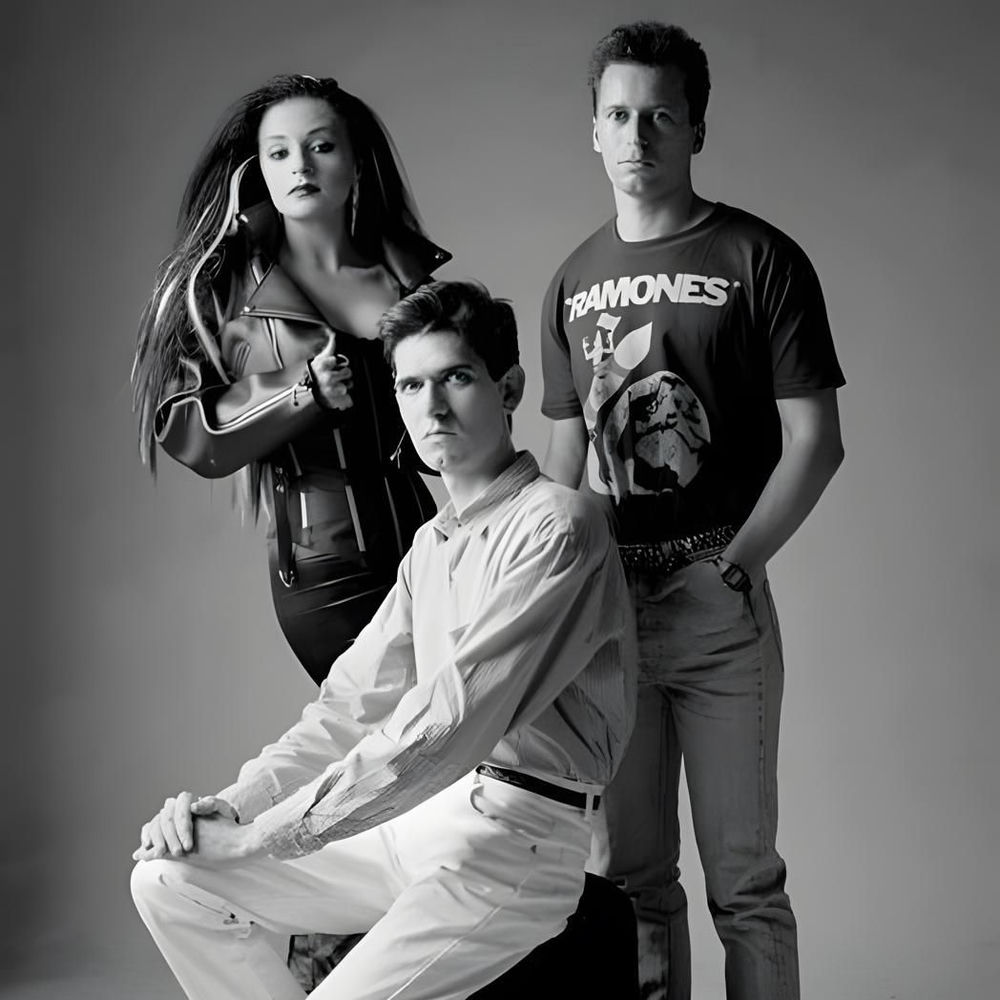
Alaska y Dinarama
Type: Group
 Eswatini
Eswatini
Listen on radio stations:
Alaska y Dinarama: Spanish Pop Rock Pioneers
Alaska y Dinarama was a defining Spanish pop rock group of the 1980s, emerging from the vibrant Madrid countercultural scene known as La Movida. Fronted by the iconic singer Alaska, the band fused synth-pop, rock, and new wave, creating a bold and influential sound that captured a generation's desire for freedom and modernity.
Early Career
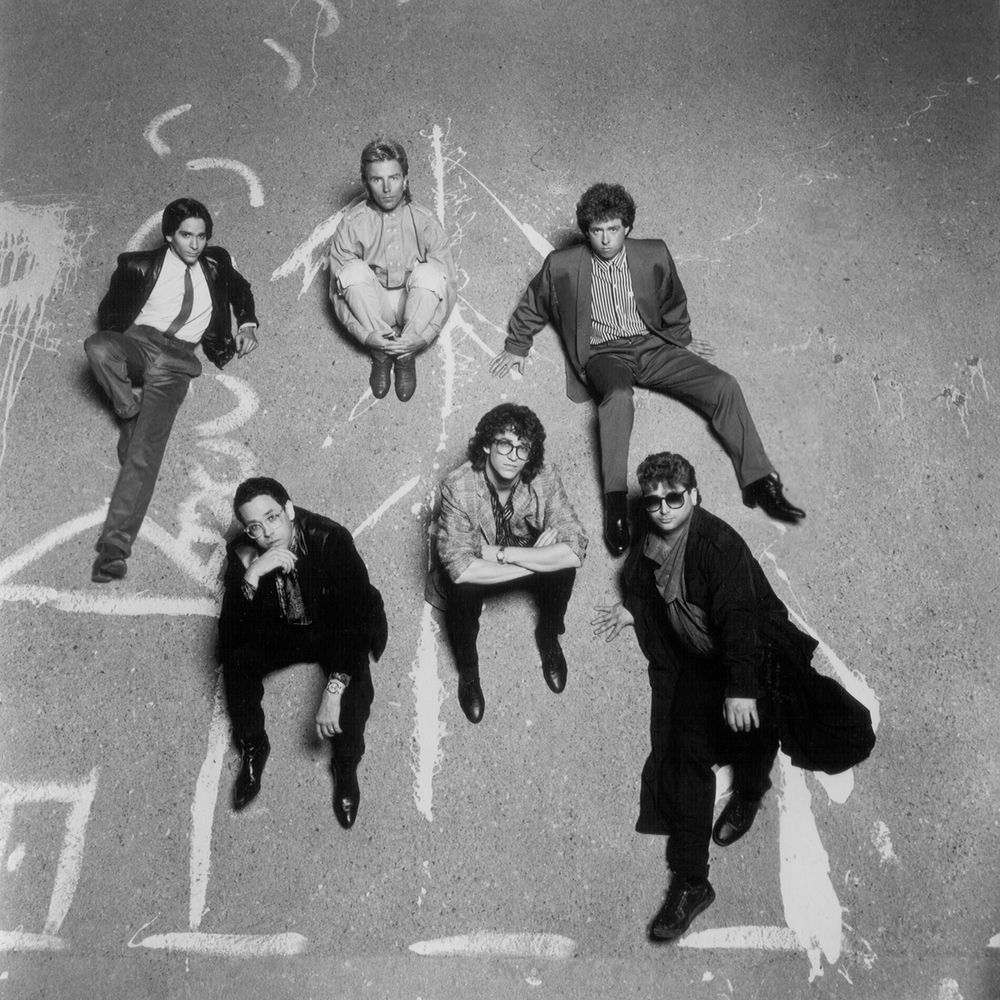
The group's origins trace back to 1980, forming from the ashes of the pioneering band Kaka de Luxe. Initially called Dinarama, the Madrid-based ensemble officially became Alaska y Dinarama in 1983 when singer Alaska (real name Olvido Gara) joined forces with musicians Nacho Canut and Carlos Berlanga. Their early work was deeply embedded in La Movida Madrileña, a post-Franco cultural explosion, and they released their debut album "Deseo Carnal" in 1984, establishing their electronic and provocative style.
Breakthrough
The band achieved major commercial success and cultural impact with their 1986 album "No es Pecado". Released on the label Hispavox, the record spawned massive hits that dominated Spanish airwaves and became anthems of the era. This album solidified Alaska y Dinarama's status as national pop stars, successfully blending catchy melodies with rock energy and witty, often transgressive, lyrics.
Key Tracks
¿A Quién Le Importa? - This synth-pop anthem became the group's signature song, a defiant statement of individuality that remains a timeless LGBTQ+ and cultural touchstone in Spain.
Ni Tú Ni Nadie - A defining track from their breakthrough album "No es Pecado," it showcased their perfect blend of driving rock rhythms and infectious pop choruses.
Mi Novio Es Un Zombi - This song exemplifies the band's clever and humorous approach to lyrics, set against a backdrop of catchy new wave and pop rock.
Perlas Ensangrentadas - A dramatic and narrative-driven track that highlighted the theatrical and darker musical dimensions within their pop rock repertoire.
Throughout the late 1980s, Alaska y Dinarama continued to release successful albums like "Diez" and collaborated with other artists central to La Movida. The band's visual style, led by Alaska's constantly evolving and bold image, was as influential as their music. They disbanded in 1989, leaving behind a profound legacy on Spanish pop culture, with Alaska and key members continuing their musical careers in subsequent projects.
Fans of Alaska y Dinarama's energetic Spanish pop rock may also appreciate the work of Radio Futura, another seminal group from La Movida that blended rock with new wave and Spanish lyrical craftsmanship. The eclectic and experimental pop of Gabinete Caligari also shares the era's innovative spirit. For the iconic voice that preceded the band, exploring Alaska y los Pegamoides offers insight into the earlier punk and pop beginnings of the scene.
Similar artists