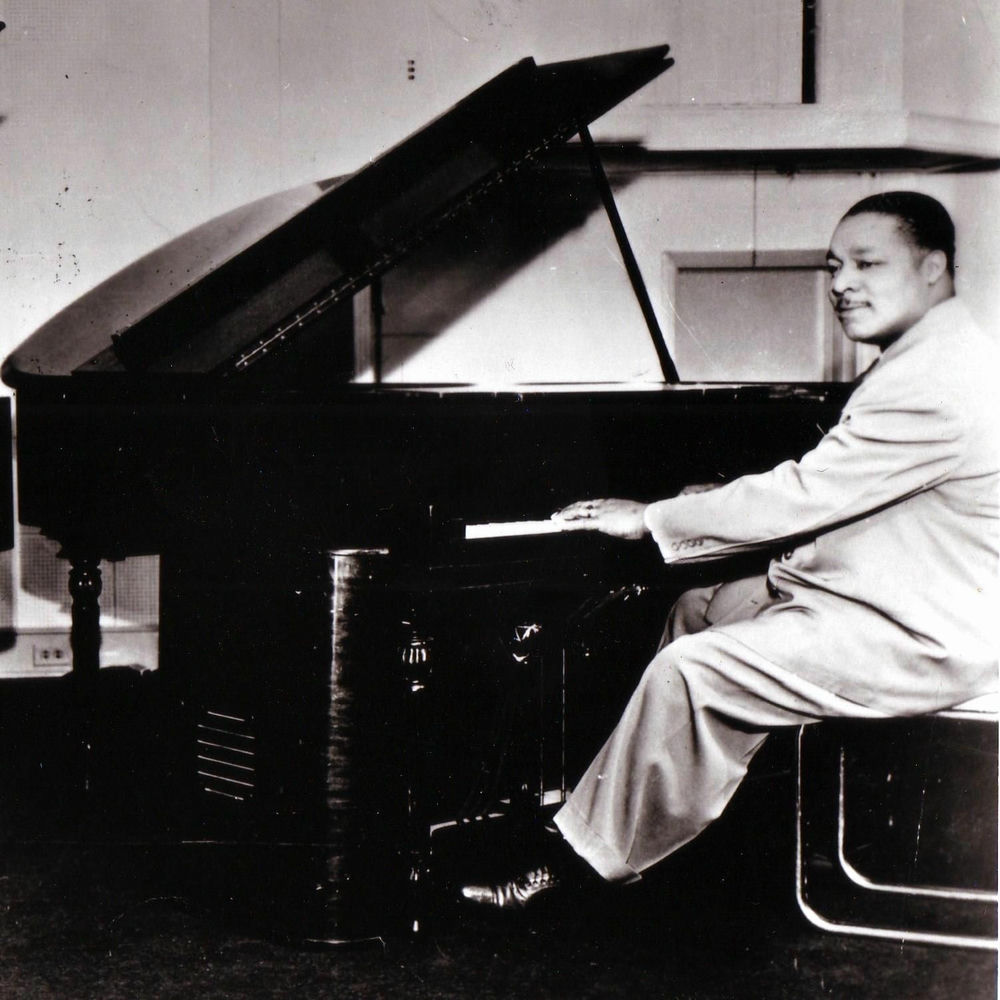
Albert Ammons: The Boogie-Woogie Piano Powerhouse
Albert Ammons was a pioneering American pianist who became a defining force in the boogie-woogie genre. Hailing from Chicago, his powerful, rhythmic playing reached a national audience through landmark recordings and a historic 1938 Carnegie Hall concert that ignited a nationwide boogie-woogie craze.
Early career
Born in Chicago in 1907, Albert Ammons began his musical journey as a drummer before fully dedicating himself to the piano. He honed his craft in the city's vibrant South Side rent party scene, where he developed his formidable left-hand bass patterns alongside fellow pianist Meade Lux Lewis.
His first major recording session came in 1936 for the Vocalion label, where he cut tracks like Boogie Woogie Stomp. These early sides captured the raw, driving energy that would become his signature, laying the groundwork for his imminent breakthrough.
Breakthrough
Albert Ammons's career catapulted to new heights in 1938. He and Meade Lux Lewis were invited to perform at John Hammond's landmark "From Spirituals to Swing" concert at Carnegie Hall on December 23rd. This prestigious event introduced boogie-woogie to a wide, mainstream audience and established Ammons as a leading exponent of the style.
Following the concert's success, Ammons formed a fruitful partnership with the Blue Note record label. His recordings for Blue Note, such as those with his group the Rhythm Kings, are considered quintessential examples of the genre and solidified his legacy in jazz history.
Key tracks
Boogie Woogie Stomp — This 1936 recording is a foundational track that showcases Ammons's aggressive, locomotive piano style.
Swanee River Boogie — A brilliant reworking of the classic tune, it demonstrates his ability to transform traditional melodies into driving boogie-woogie.
Shout for Joy — Recorded for Blue Note, this track highlights his impeccable timing and joyful, percussive attack on the keys.
Chicago in Mind — A later composition that reflects his deep connection to the city's musical landscape and his mature, refined approach.
Pinetop's Boogie Woogie — His tribute to Pinetop Smith is a masterclass in the style, honoring its origins while injecting his own powerful personality.
Throughout the 1940s, Albert Ammons remained a prolific recording artist. He collaborated frequently with Meade Lux Lewis and Pete Johnson, including on the album Boogie Woogie Trio, and his music was featured on several major labels including Decca and Mercury.
His influence extended beyond records, as he performed widely and even appeared in short film features, bringing his energetic piano to visual media. While specific chart positions for his 78 rpm records are not commonly documented, the sustained reissue of his work on LP and CD attests to its enduring appeal.
For fans of Albert Ammons's thunderous piano, the music of Meade Lux Lewis offers a similarly intricate and blues-drenched approach. Pete Johnson was another key member of the boogie-woogie triumvirate with a slightly more swinging feel. Later pianists like Jimmy Yancey carried the Chicago piano tradition forward with a more subdued, rhythmic style.
The music of Albert Ammons maintains a strong presence on radio, particularly on stations dedicated to classic jazz, early blues, and American roots music. His recordings are staples on specialty programs focusing on piano jazz and the history of swing, ensuring new generations discover his foundational sound.
Listeners can experience the relentless rhythm of Albert Ammons's boogie-woogie piano on radio stations featured on our website. Tune in to stations available on onairium.com to hear the powerful legacy of this Chicago music legend.