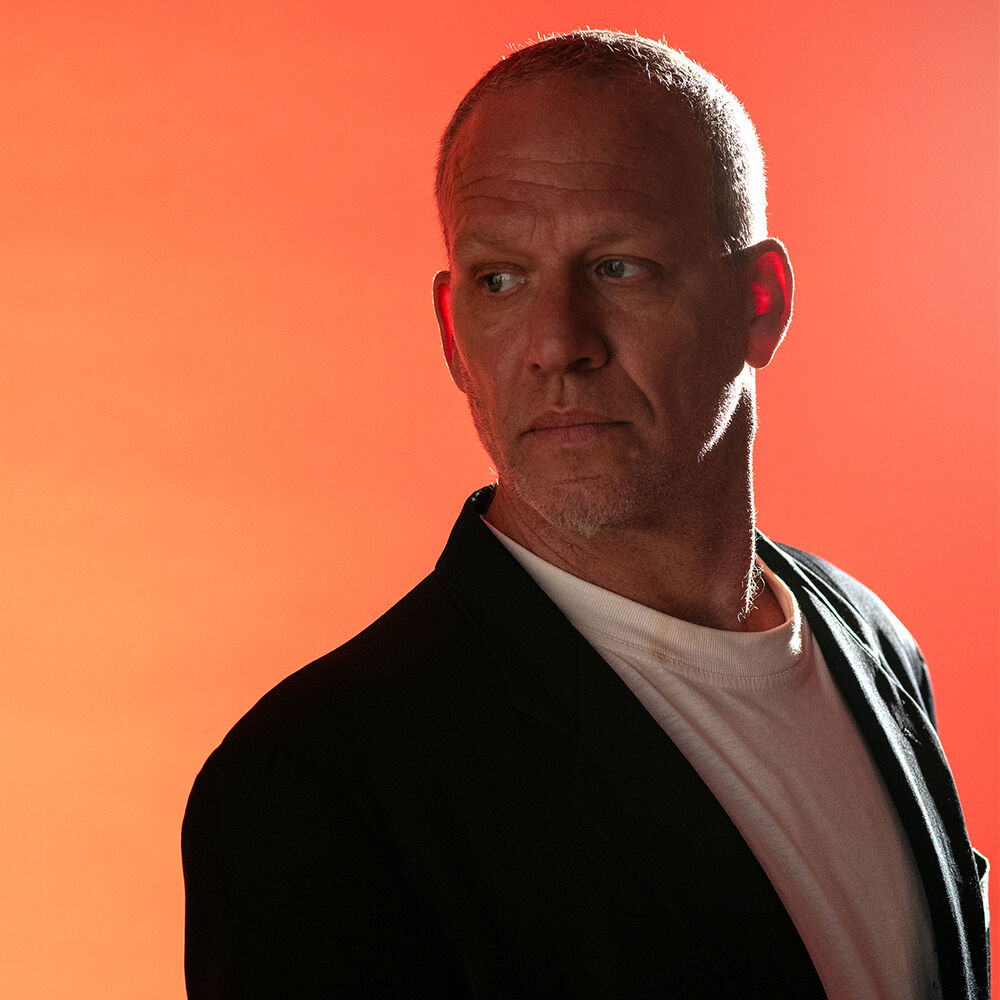


Albert Beger: The Avant-Garde Force of Israeli Jazz
Albert Beger is a pioneering Israeli saxophonist and composer known for his intense, spiritually charged approach to free jazz and avant-garde improvisation. Hailing from Tel Aviv, his main achievement lies in building a formidable international reputation through a prolific series of acclaimed albums and powerful live performances, establishing him as a central figure in the Middle Eastern experimental music scene.
Early career
Born in 1959 in Istanbul, Turkey, Albert Beger moved to Israel as a child. His musical journey began relatively late, picking up the saxophone in his twenties after military service, yet he rapidly immersed himself in the jazz language, studying at the Rimon School of Jazz and Contemporary Music.
His early development was fueled by the vibrant Tel Aviv jazz circuit of the 1980s and 90s. Beger's first notable recording came with the 1998 album Hevel Havalim on the independent label Jazzis, showcasing his raw tenor sound and compositional ambition within a modern jazz framework.
Breakthrough
Albert Beger's artistic breakthrough arrived in the early 2000s as he fully embraced the freedoms of free jazz. His 2003 album The Big Lad, released on the Earsay Jazz label, was a pivotal statement, capturing his expansive, energy-driven style and garnering serious critical attention both in Israel and abroad.
This period solidified his creative partnership with drummer Asaf Sirkis and marked the beginning of his work with significant European labels like Leo Records and Not Two Records, broadening his audience within the global avant-garde community.
Key tracks
The Blessing — This epic track from the 2005 album Hope encapsulates Beger's ability to blend Middle Eastern melodic motifs with ferocious, Coltrane-influenced spiritual jazz explorations.
Free Radical — A defining piece from his later work, it highlights his trio's masterful dynamic control, moving from whisper-quiet introspection to volcanic collective improvisation.
Song for the Homeless — Demonstrates Beger's socially conscious composition style, using his saxophone's full emotional range to convey narrative and protest within an abstract free jazz context.
Throughout the 2010s, Albert Beger continued to evolve, leading powerful trios and collaborating with international free jazz luminaries such as William Parker and Hamid Drake. Albums like Futurity (2011) and This Is the Time (2020) on Not Two Records document a mature artist refining his voice, balancing sheer sonic power with deep melodic sensibility. His work consistently explores the intersection of Jewish musical heritage and the universal language of free improvisation.
Fans of Albert Beger's intense saxophone work and exploratory ethos often appreciate the music of Daniel Zamir, another Israeli artist who merges jazz with Jewish soul. Ishay Zadok shares a similar drive for textural innovation within Israeli avant-garde circles. Listeners drawn to the spiritual free jazz dimension might explore Peter Brötzmann for his legendary intensity, or the collaborative projects of William Parker, a frequent Beger collaborator known for his deep musical philosophy.
Albert Beger's distinctive sound is a staple on specialist radio programming, particularly on freeform jazz stations, independent music radio stations, and online avant-garde streams that cater to listeners seeking challenging and boundary-pushing improvisational music.
The music of Albert Beger, a key voice in Israeli avant-garde jazz, can be heard on radio stations featured on our website. Listeners can discover his expansive discography and experience his powerful live recordings through the curated free jazz and experimental radio stations available on onairium.com.