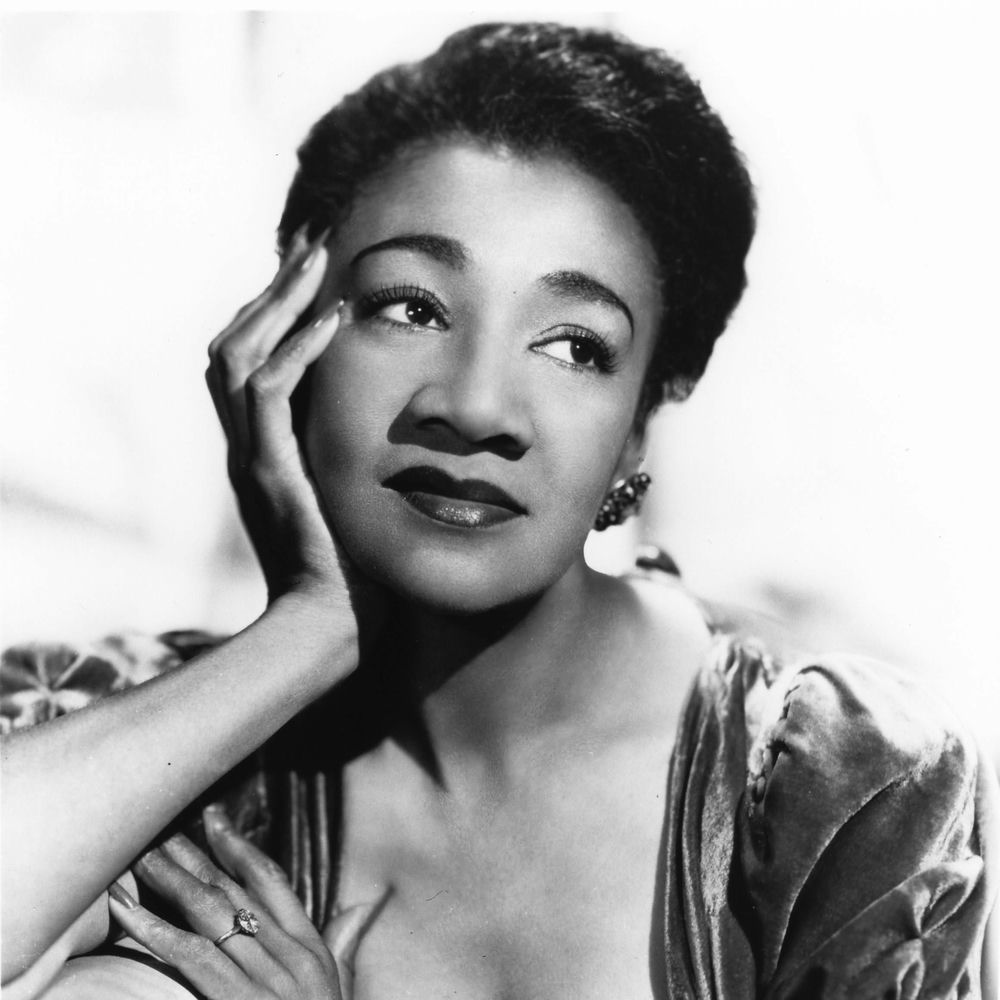

Alberta Hunter: The Pioneering Voice of Classic Blues and Jazz
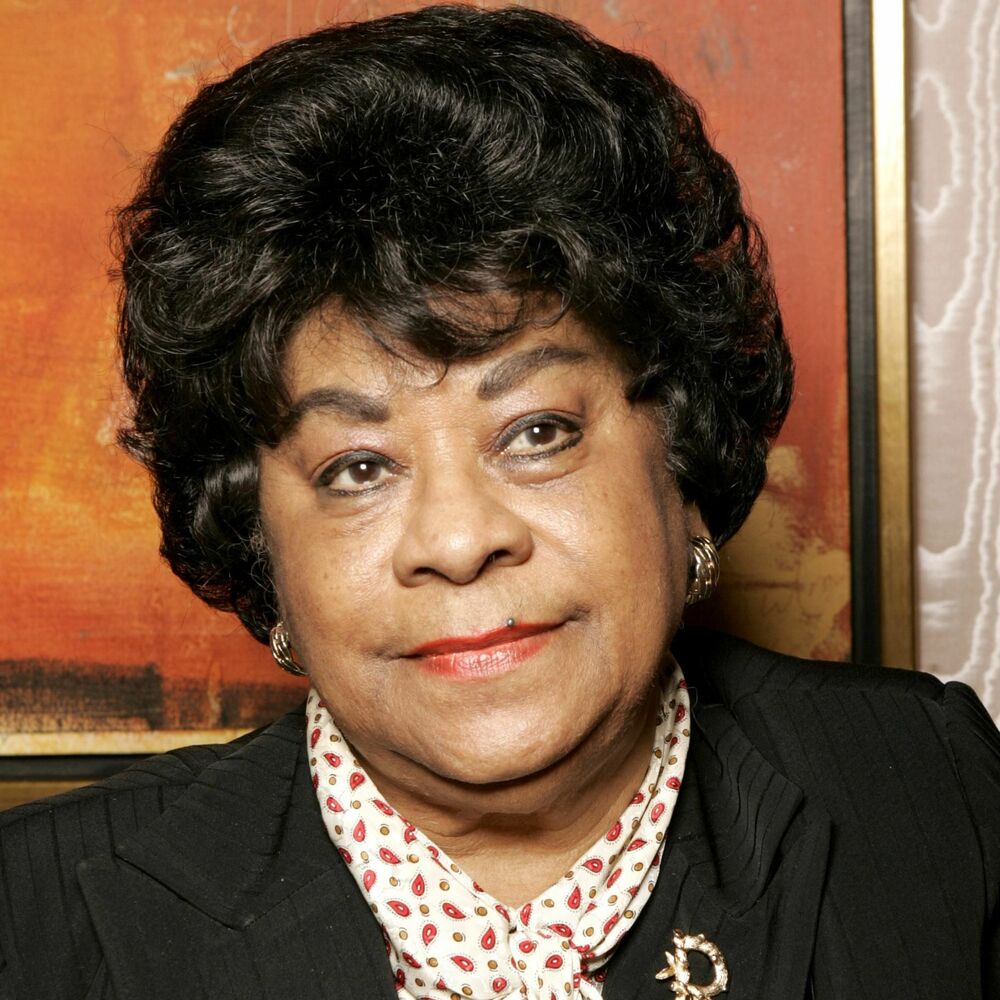
Alberta Hunter was an American blues and jazz singer, songwriter, and nurse whose remarkable career spanned over seven decades. From the vaudeville stages of the 1920s to a celebrated comeback in the 1970s, her powerful voice and resilient spirit left an indelible mark on music history.
Early career
Born in 1895 in Memphis, Tennessee, Hunter ran away to Chicago as a teenager to pursue singing. She began performing in South Side clubs and by 1921 had secured a recording contract with the Black Swan label, becoming one of the first blues artists ever recorded.
Her early success led to a move to New York City, where she recorded prolificly for Paramount Records throughout the 1920s. Hunter also wrote songs, with her composition Downhearted Blues becoming a major hit for Bessie Smith in 1923.
Breakthrough
Hunter's initial breakthrough came in the early 1920s, establishing her as a major figure in the classic blues scene. However, her most stunning career resurgence occurred in 1977 when, at age 82, she began a legendary six-year residency at The Cookery in Greenwich Village.
This engagement sparked a major revival, leading to new recordings for Columbia Records and worldwide tours. Her 1982 album The Glory of Alberta Hunter received critical acclaim and introduced her timeless style to a new generation.
Key tracks
Downhearted Blues — This Hunter-penned song became a defining hit of the classic blues era when recorded by Bessie Smith.
My Castle's Rockin' — A risqué and lively number that showcased her playful, double-entendre lyricism and became a signature tune.
I've Got a Mind to Ramble — The title track of her 1980 Columbia album perfectly captured her enduring spirit and vocal prowess during her late-career renaissance.
Two-Fisted Joe — An early recording that highlights her strong, confident delivery and connection to the vaudeville blues tradition.
The Love I Have For You — A later recording demonstrating the warmth and emotional depth she retained throughout her entire career.
Beyond performing, Alberta Hunter co-wrote the song My Handy Man and had a successful European tour in the 1920s. In a surprising mid-career shift, she left music in 1954 to become a nurse, a profession she worked in for over twenty years before her musical comeback.
Her collaborations were extensive, including work with legends like Louis Armstrong, Fats Waller, and Sidney Bechet. Alberta Hunter continued performing almost until her death in 1984, leaving behind a legacy of resilience and authentic artistry.
Fans of the classic blues and jazz of Alberta Hunter also appreciate the work of Bessie Smith. Smith was the "Empress of the Blues" and a major interpreter of the early blues songbook. Ma Rainey is another foundational figure known as the "Mother of the Blues." Ethel Waters successfully navigated both blues and popular music scenes in a similar era. Sippie Wallace shared a powerful, gospel-inflected vocal style and also enjoyed a late-career revival.
RADIO ROTATION: The music of Alberta Hunter holds a cherished place in the programming of classic jazz and blues radio stations. Her recordings from the 1920s are staples on historical music programs, while her vibrant 1970s comeback albums feature on independent music radio stations dedicated to timeless artistry.
You can hear the enduring classics of Alberta Hunter on radio stations featured on our website. Listeners can discover her vast catalog, from Paramount sides to Columbia releases, through the dedicated blues and jazz radio stations available on onairium.com.