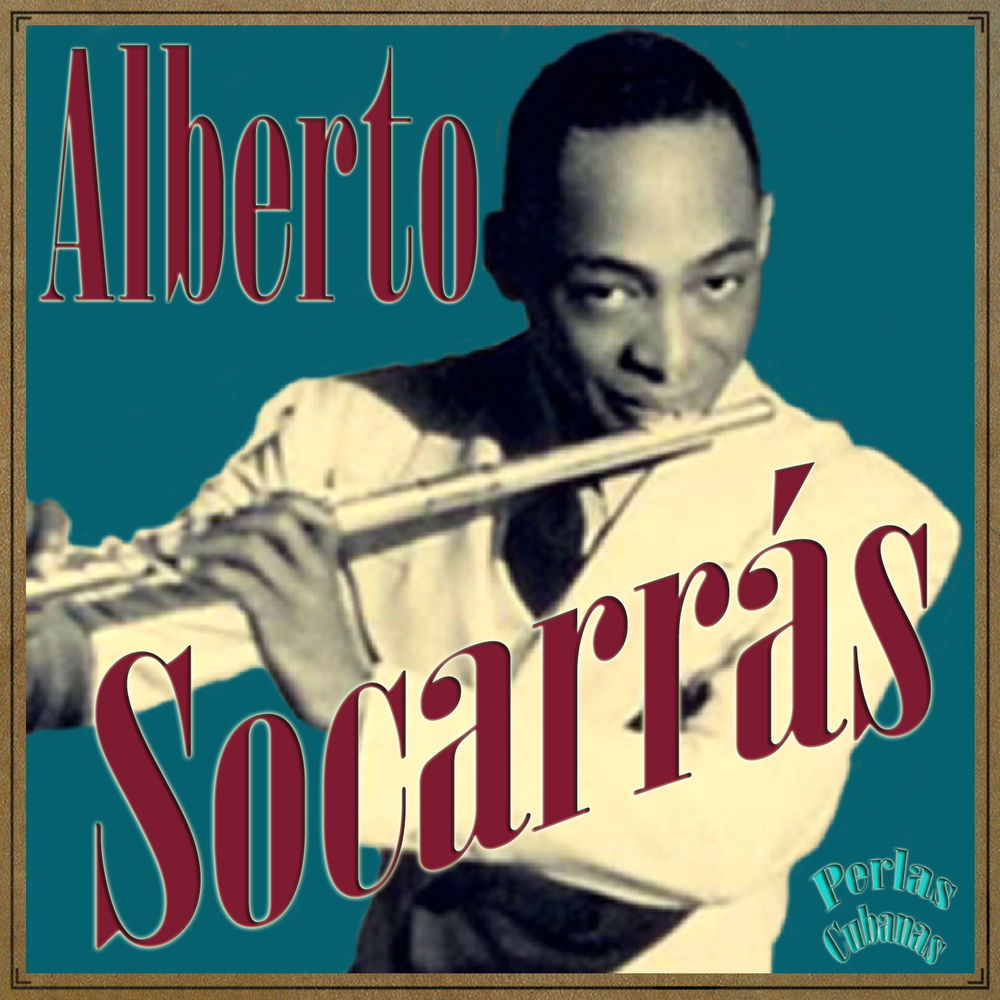
Alberto Socarras: The Cuban Flute Virtuoso of Latin Jazz
Alberto Socarras was a pioneering Cuban flautist and saxophonist whose career bridged the vibrant worlds of Cuban son and American jazz. Hailing from Manzanillo, Cuba, his major achievement was embedding the flute as a lead instrument in Latin jazz and recording the first documented flute solo in jazz history on the 1927 track "Shootin' the Pistol."
Early career
Born in 1908, Alberto Socarras began his musical journey in Cuba, mastering the flute and clarinet. He moved to New York City in the late 1920s, a pivotal era that positioned him to collaborate with early jazz and Latin bandleaders.
His technical skill allowed him to navigate both the precise arrangements of dance orchestras and the improvisational demands of jazz, setting the stage for his historic recording.
Breakthrough
Socarras's breakthrough moment is cemented by a single, seminal recording session in 1927. As a member of Clarence Williams's Blue Five, he recorded the song "Shootin' the Pistol," where his flute improvisation broke new ground.
This recording is widely recognized by jazz historians as the first flute solo on a jazz record, establishing his instrument in a genre then dominated by brass and reeds.
Key tracks
Shootin' the Pistol — This 1927 recording with Clarence Williams's Blue Five is historically vital for featuring the first documented jazz flute solo.
Echale Salsita — A later recording showcasing his deep roots in Cuban music, blending son rhythms with his distinctive flute melodies.
St. Louis Blues — His interpretation of the W.C. Handy classic demonstrated his ability to apply a Latin jazz sensibility to American standards.
Throughout the 1930s and 1940s, Alberto Socarras led his own bands and played as a sideman for notable figures like Noble Sissle and Erskine Hawkins. He maintained a dual career, performing in both Latin and mainstream jazz contexts, which included appearances at the famed Apollo Theater.
His later work continued to explore the fusion of Afro-Cuban rhythms with jazz harmonies, influencing the development of the mambo and Latin jazz scenes in New York. Socarras remained an active performer and teacher until his passing in 1987, leaving behind a legacy of musical innovation.
Fans of Alberto Socarras's blend of intricate flute work and rhythmic Cuban jazz may also enjoy the music of Mongo Santamaria, who brought Cuban percussion to the forefront of jazz. Arsenio Rodriguez shares the deep Cuban son foundation that informed Socarras's style. The elegant flute phrases of Dave Valentin continue the tradition Socarras helped start. For the big band Latin sound, explore Machito and his Afro-Cubans.
The pioneering Latin jazz of Alberto Socarras finds a regular home on classic jazz FM stations and specialty Latin music programs. Online jazz radio streams dedicated to historical genres frequently feature his groundbreaking 1927 work, while independent music radio stations celebrating Afro-Cuban roots regularly program his later recordings.
Listeners can discover the historic flute of Alberto Socarras and his essential contributions to Latin jazz on radio stations featured on onairium.com. Tune in to our curated stations to hear his music within the broader story of jazz and Cuban musical innovation.