Alcione
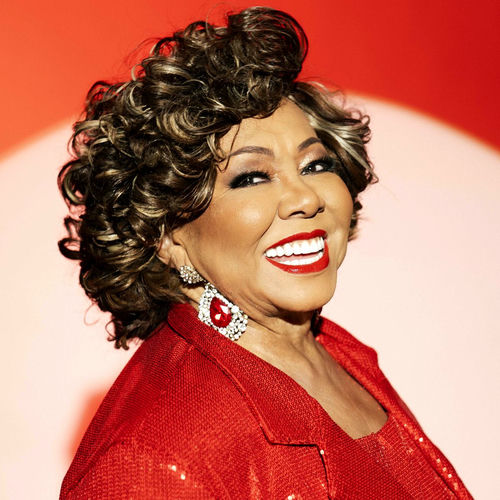
Alcione: The Empress of Brazilian Samba
Alcione Dias Nazareth, known mononymously as Alcione, is a legendary Brazilian samba singer and songwriter from Maranhão. Her powerful contralto voice and commanding stage presence have made her one of the best-selling artists in the history of samba, with a career spanning over five decades and multiple gold and platinum records.
Early career
Born in São Luís do Maranhão in 1947, Alcione began her professional journey in the late 1960s after moving to Rio de Janeiro. Her first major break came in 1972 when she signed with the influential label Copacabana and released her debut single, "Você Me Paga."
This early period established her robust vocal style within the traditional samba scene, leading to her first self-titled album in 1975.
Breakthrough
Alcione's national stardom was cemented in 1977 with the release of her massively successful album "Alcione" (commonly called "Oito") and its lead single, "Não Deixe o Samba Morrer." The song became an anthem, propelling the album to multi-platinum status and solidifying her nickname, "A Marrom."
This era marked her transition into a superstar, consistently delivering hits that dominated radio and Carnival sound systems throughout Brazil.
Key tracks
Não Deixe o Samba Morrer — This 1977 anthem is arguably her signature song, a cultural plea that became a samba standard.
Gostoso Veneno — A quintessential pagode hit from the 1980s that showcases her playful and rhythmic side.
Lá Vem a Baiana — A celebratory track highlighting her deep connection to Afro-Brazilian musical roots.
Você Me Paga — Her debut single from 1972, which first introduced her powerful voice to a wider audience.
Como Uma Onda (Zen-Surfismo) — A notable collaboration with Lulu Santos, blending samba with pop-rock in 1983.
Throughout the 1980s and 1990s, Alcione continued to dominate the charts with albums like "E Vamos à Luta" and "Pulsa, Coração," often achieving gold certifications. She collaborated with major figures across Brazilian music, including Beth Carvalho, Chico Buarque, and the group Fundo de Quintal. Her resilience and consistent output through changing musical trends have kept her relevant, with later works like the live album "Alcione Ao Vivo" (2002) proving her enduring popularity.
Artists with a similar deep-rooted samba and pagode style include Beth Carvalho, another iconic female voice known as the "Godmother of Samba." The powerful pagode ensemble sound is also heard in Fundo de Quintal, a group she frequently collaborated with. For the soulful, emotive delivery within the genre, explore Zeca Pagodinho, a master of celebratory and heartfelt samba.
Alcione's rich catalog is a staple on Brazilian music radio stations, from classic samba FM broadcasts to contemporary pagode and MPB rotations. Her timeless hits ensure regular airplay during cultural programming and especially in the lead-up to Carnival season.
The music of Alcione, the Empress of Samba, can be heard on dedicated Brazilian music stations featured on our website. Listeners can discover her legendary voice and enduring hits by tuning into the radio stations available on onairium.com.