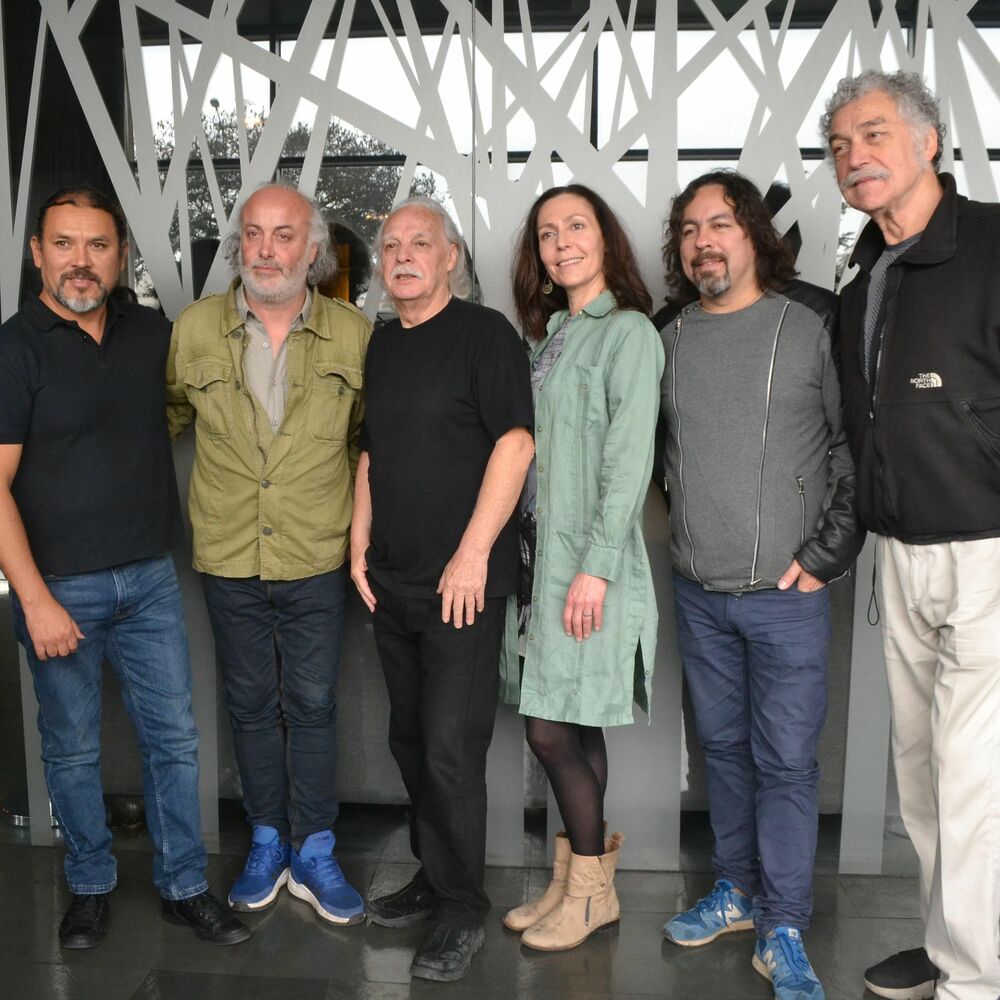

Alerce: Chilean Folk Rock's Enduring Voice
Alerce is a foundational Chilean folk rock band formed in Santiago in 1977. The group became a central figure in the country's "Canto Nuevo" movement, blending traditional Latin American sounds with contemporary rock and pop, and their 1981 album "Horas de vuelo" is considered a landmark of the genre.
Early career
Alerce emerged during a politically complex period in Chile, finding a voice within the burgeoning "Canto Nuevo" scene that sought poetic and musical renewal. The original lineup featured Horacio Salinas on guitar and charango, along with other musicians dedicated to creating sophisticated, introspective folk music. Their early work was released through the independent label Alerce, which shared the band's name and was pivotal for alternative Chilean music in the late 1970s.
Breakthrough
The band's artistic and commercial breakthrough arrived with their third studio album, Horas de vuelo, released in 1981. This record, featuring richer production and a cohesive blend of Andean folk, rock, and jazz, resonated deeply with a generation. While specific chart data from the era is scarce, the album's enduring popularity is evidenced by its continued recognition as a classic, with songs like "Canción para matar una culebra" becoming anthems.
Key tracks
Canción para matar una culebra — This track from "Horas de vuelo" stands as Alerce's most iconic song, a poetic and rhythmic masterpiece.
Vuelvo — A later hit from their 1988 album "Alerce," this song showcased a more polished, radio-friendly sound that expanded their audience.
Mujer árbol — This song exemplifies the band's lyrical depth and their signature blend of acoustic guitar with subtle rock arrangements.
Todo el amor — A popular ballad that highlights the romantic and melodic side of the group's extensive catalog.
The band continued to record and perform consistently throughout the 1980s and 1990s, releasing albums like "Alerce" (1988) and "Porque te amé" (1992). Their sound evolved to incorporate more elements of pop and singer-songwriter styles while maintaining their lyrical and musical integrity. Despite lineup changes over the decades, with Horacio Salinas remaining the constant creative force, Alerce's influence on subsequent generations of Latin American folk and rock musicians is widely acknowledged.
Fans of Alerce's poetic folk-rock fusion should also explore the work of similar Chilean artists. Los Jaivas pioneered the fusion of progressive rock with Andean folk music. Los Tres brought a sophisticated rock and jazz approach to Chilean popular music in the 1990s. Illapu shares the deep commitment to social themes and Andean musical roots. Congreso offers a similarly complex and exploratory blend of folk, jazz, and Latin American rhythms.
The music of Alerce maintains a steady presence on radio stations dedicated to Latin American rock and folk traditions. Their classic hits are staples on Chilean national radio and specialty programs focusing on the "Canto Nuevo" era. Furthermore, online radio streams and independent music radio stations worldwide that feature Latin alternative programming regularly include Alerce in their rotations, introducing their timeless sound to new listeners.
Listeners can explore the rich discography of Alerce through the radio stations featured on our website. Tune into classic rock FM stations and independent music radio stations available on onairium.com to hear the enduring folk rock of this essential Chilean band.