Alex Chilton
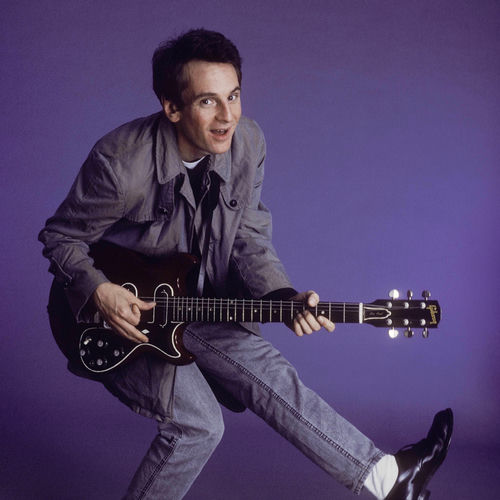
Alex Chilton: The Uncompromising Voice of American Rock and Pop
Alex Chilton was a singular American singer, songwriter, and guitarist whose career spanned the raw energy of garage rock, the soulful craft of pop, and the defiant spirit of indie punk. From Memphis, Tennessee, he first found fame as the teenage vocalist for The Box Tops before forging a deeply influential path with the cult power-pop band Big Star.
Early career
Born in 1950, Alex Chilton grew up in Memphis, a city steeped in blues, soul, and rock and roll. His professional music career began astonishingly early when, at age 16, he joined The Box Tops, a group assembled by producer Dan Penn. Chilton's remarkably mature and soulful voice, belying his teenage years, became the band's defining instrument.
Their first single, The Letter, was recorded quickly at American Sound Studio and released on the Bell Records label in 1967. The song shot to number one on the Billboard Hot 100, selling over a million copies and earning a gold certification, making Chilton a star before he finished high school.
Breakthrough
After leaving The Box Tops and a brief solo period, Chilton's true artistic breakthrough came with the formation of Big Star in 1971. Alongside Chris Bell, Jody Stephens, and Andy Hummel, Chilton co-wrote and sang on a body of work that would become a cornerstone of power-pop. Their 1972 debut, #1 Record, released on the Stax subsidiary Ardent, was critically hailed but commercially hampered by distribution problems.
The band's 1974 follow-up, Radio City, featuring the classic September Gurls, further cemented their legacy despite even greater label turmoil. Though commercially unsuccessful at the time, these albums' perfect fusion of British Invasion melody and American rock grit would later inspire generations of musicians.
Key tracks
The Letter — This 1967 number-one hit with The Box Tops introduced Chilton's world-weary soul voice to a massive audience and remains a staple of oldies radio.
September Gurls — Perhaps Big Star's most beloved song, its jangling guitars and melancholic melody became a blueprint for 1980s and 1990s alternative rock.
Thirteen — A beautifully sparse acoustic ballad from #1 Record that captures adolescent yearning with poetic simplicity and heartfelt delivery.
Bangkok — A highlight from his chaotic but admired 1979 solo album Like Flies on Sherbert, showcasing his move towards a raw, deconstructed rock aesthetic.
No Sex — From his 1987 solo album High Priest, this track exemplifies Chilton's later, witty, and rhythmically sharp songwriting style.
Following Big Star's initial dissolution, Chilton's solo work in the late 1970s and 1980s was willfully eclectic and erratic, embracing punk, jazz, and blues on albums for labels like Ork and Aura. His influential status grew through covers of his songs by acts like R.E.M. and The Replacements, who famously sang "I never travel far without a little Big Star." The 1990s saw a Big Star reunion for live performances and one final studio album, In Space, in 2005.
Artists who channel a similar blend of melodic genius and gritty authenticity include The Replacements who were directly inspired by Chilton's work with Big Star. Teenage Fanclub built their entire harmonic sound upon the foundation laid by Big Star's albums. Wilco shares a commitment to songcraft that can shift from sweet pop to experimental noise. The Bangles achieved chart success with their version of Big Star's September Gurls, bridging power-pop to the mainstream.
Alex Chilton's music maintains a constant presence on the playlists of