
Alexander Agricola: The Franco-Flemish Master of Renaissance Polyphony
Alexander Agricola was a pivotal composer of the Franco-Flemish school during the late 15th and early 16th centuries. His intricate polyphonic works, primarily sacred masses and motets alongside vibrant secular chansons, secured his reputation across the courts of Renaissance Europe.
Early career
Born around 1445-1446, likely in the Low Countries, Agricola's early life details remain sparse. He first appears in records as a singer at the court of Duke Galeazzo Maria Sforza in Milan in 1471, placing him at the heart of Italian musical patronage. His early compositions circulated in manuscripts, demonstrating a rapid mastery of the complex contrapuntal style favored by the Franco-Flemish tradition.
Breakthrough
Agricola's breakthrough was not marked by a single album, as the concept did not exist, but by his prestigious employment and the wide dissemination of his music. By the 1490s, he served in the chapel of King Charles VIII of France and later for Philip the Fair of Burgundy, a major patron. His compositions were published by Ottaviano Petrucci, the first major music printer, in collections like Odhecaton (1501), cementing his international fame among the musical elite of his era.
Key tracks
Missa In minen sin — This mass exemplifies his mature style, building complex polyphonic structures upon a popular secular melody of the time.
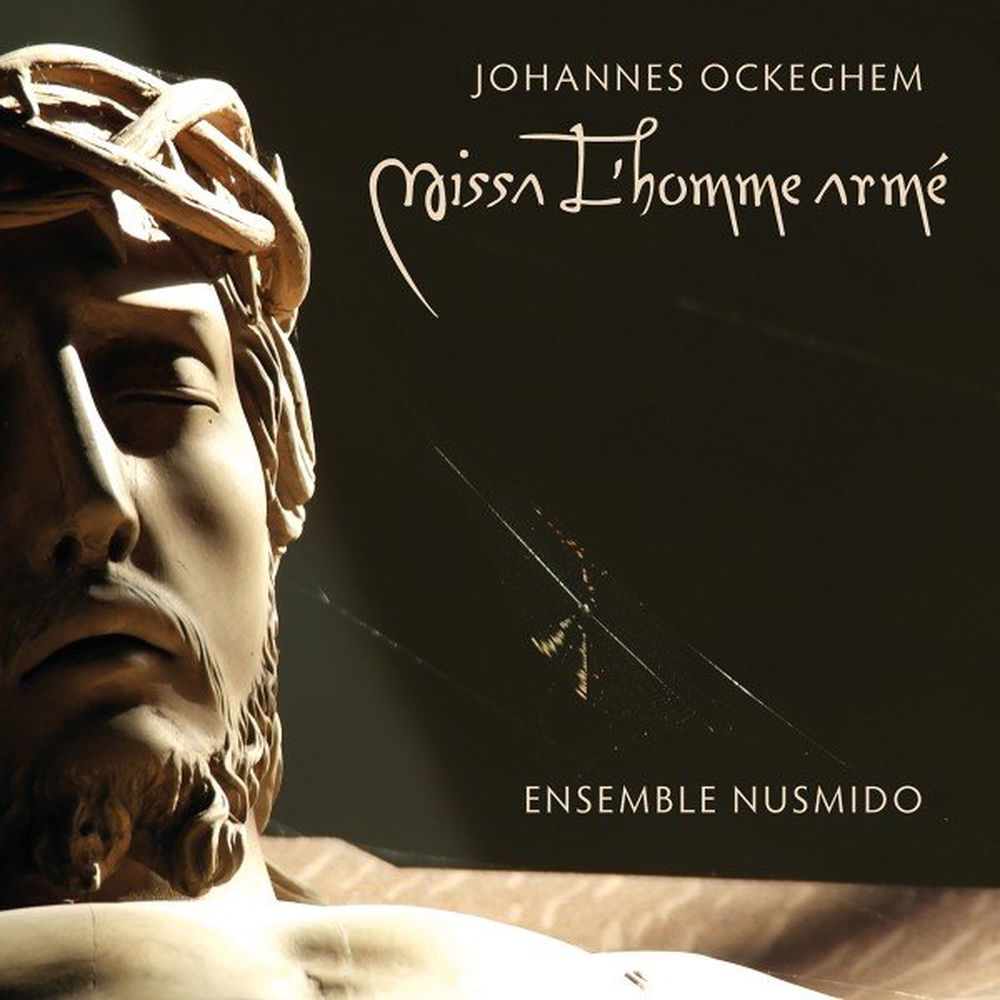
Missa Malheur me bat — A showcase of Agricola's technical skill, this mass is based on a chanson by Johannes Ockeghem, linking him directly to his renowned predecessor.
Secourez moy — This melancholic chanson became one of his most widely distributed secular works, appearing in numerous manuscripts across Europe.
D'ung aultre amer — A fine example of his secular output, this chanson displays his talent for weaving elegant, expressive vocal lines.
His later career saw him follow Philip the Fair to Spain, where he died in 1506 during an outbreak of plague. Agricola's music represents a crucial bridge between the generations of Ockeghem and Josquin des Prez, characterized by its rhythmic vitality and elaborate melodic invention. His output, though not certified gold or platinum in the modern sense, was "certified" by the highest royal and ducal courts of his day.
For listeners captivated by the intricate polyphony of Alexander Agricola, explore the works of related Franco-Flemish masters. Josquin des Prez was a contemporary who achieved even greater renown for his expressive sacred music. Johannes Ockeghem represents the preceding generation, whose complex techniques influenced Agricola. Jacob Obrecht offers another point of comparison with his richly textured masses and motets from the same tradition.
The sophisticated sounds of Renaissance polyphony, including works by Alexander Agricola, find a dedicated audience on specialized classical and early music radio stations. These stations, often featured on online radio platforms, cater to listeners seeking the historical depth and vocal complexity of the Franco-Flemish school.
You can explore the intricate musical world of Alexander Agricola right now. His compositions are regularly featured on the classical and historical music radio stations available for listening on onairium.com, offering a direct channel to the Renaissance court.