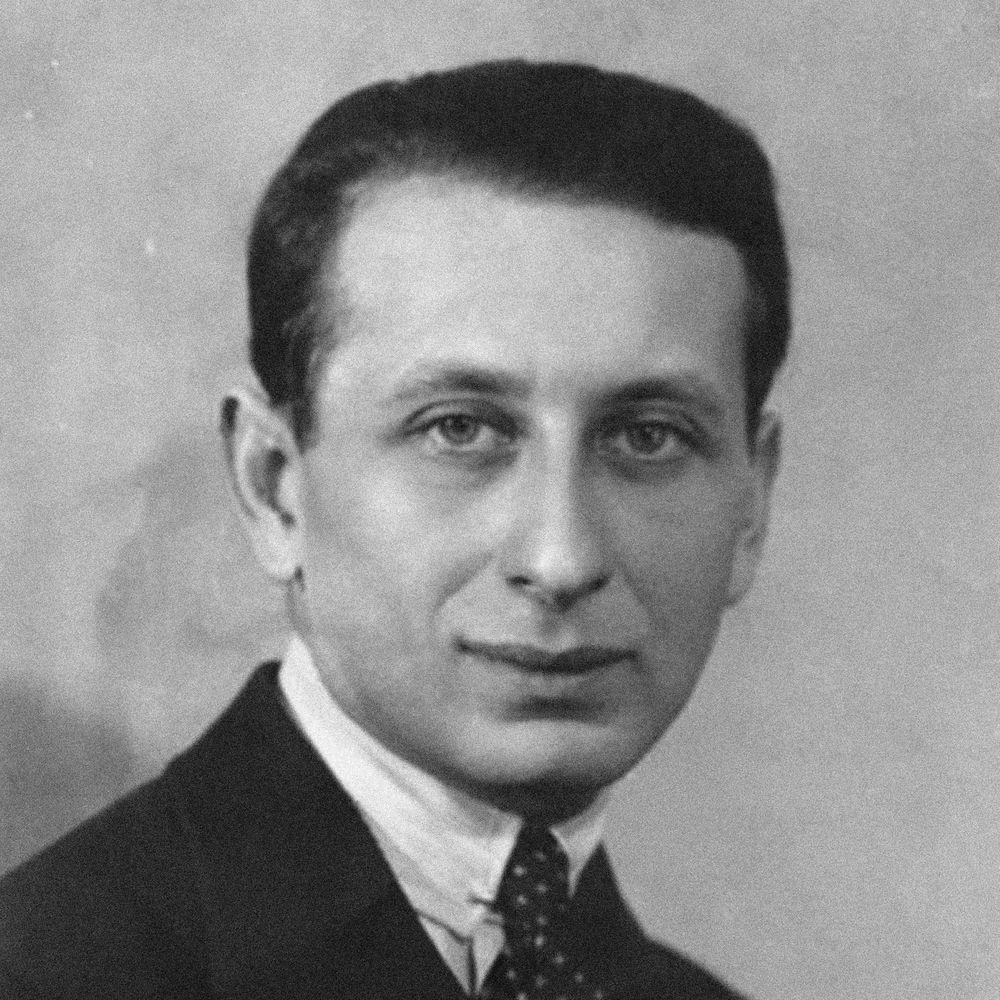
Alexandre Tansman: The Cosmopolitan Master of 20th Century Classical Music
Alexandre Tansman was a prolific Polish-French composer and virtuoso pianist whose career spanned continents and musical eras. Born in Łódź, Poland, he found his artistic home in Paris and achieved international acclaim, with his extensive catalog of symphonies, concertos, and film music performed by legends like Arturo Toscanini and Charlie Chaplin.
Early career
Born in 1897 in Poland, Alexandre Tansman displayed prodigious musical talent from childhood, mastering piano and beginning composition early. After studying law at the University of Warsaw and winning Poland's national music competition in 1919, he moved to Paris in 1920, immediately immersing himself in the city's vibrant artistic scene alongside figures like Stravinsky and Ravel.
Breakthrough
Tansman's breakthrough arrived swiftly in the 1920s, propelled by his victory in a 1922 international competition for his Intermezzo sinfonico. This led to a publishing contract with the influential house Éditions Max Eschig and a major recording deal with Columbia Records, establishing him as a leading voice in the neoclassical genre. His 1927 world tour with conductor Vladimir Golschmann further cemented his global reputation.
Key tracks
Triptyque for String Orchestra — This 1930 work exemplifies his mature neoclassical style, blending Baroque forms with modern harmonies and rhythmic vitality.
Piano Sonatina No. 1 — A staple of the 20th-century piano repertoire, this piece showcases his gift for melodic invention and accessible modernism.
Symphony No. 2 in A minor — Premiered by the Boston Symphony under Serge Koussevitzky in 1927, this symphony marked his successful entry into the American orchestral world.
Five Pieces for Guitar — Dedicated to Andrés Segovia, these pieces expanded the guitar's contemporary repertoire and remain frequently performed.
Bric-à-Brac Ballet Suite — Music from this 1935 ballet highlights his skillful and popular foray into theatrical and film scoring.
Throughout the 1930s and 1940s, Tansman's career became itinerant due to world events; he lived and worked in the United States from 1941 to 1946, composing film scores in Hollywood and continuing his concert output. Major works from this period include his Fourth Symphony and the Polish Rhapsody, reflecting his enduring connection to his homeland.
Returning to Paris after the war, Alexandre Tansman entered a final, prolific phase, exploring serial techniques while maintaining his distinctive voice. He composed operas, more symphonies, and a celebrated series of concertos, solidifying a legacy of over 300 works. His music, while not achieving conventional pop "chart positions," earned the highest certification of frequent performance by the world's premier orchestras and soloists.
Listeners who appreciate the neoclassical synthesis of Igor Stravinsky will find a similar clarity and rhythmic drive in Tansman's work. The lyrical craftsmanship of Maurice Ravel resonates in his orchestral colors, while the Polish folk inflections connect him to Karol Szymanowski. His dedicated guitar writing also aligns with the contributions of Heitor Villa-Lobos.
The sophisticated compositions of Alexandre Tansman are a staple on classical music FM stations and dedicated online classical radio streams. His accessible yet inventive works are regularly featured in programming that explores 20th-century masters, ensuring his music reaches new generations of listeners.
Explore the rich catalog of Alexandre Tansman's neoclassical and symphonic music through the classical radio stations available on onairium.com. Tune in to hear why this Polish-French composer's work remains a vital part of the modern concert repertoire on airwaves worldwide.