Alfred Cortot: The Virtuoso of Romantic Piano
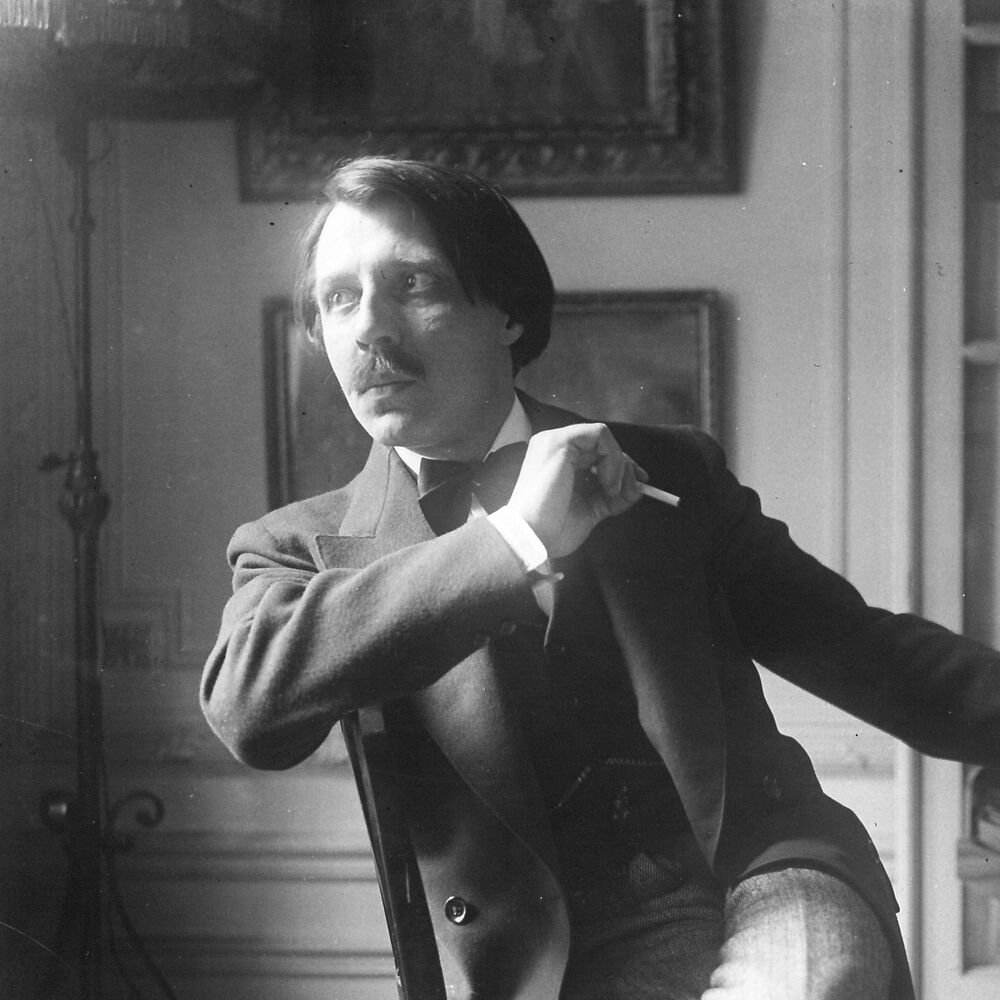
Alfred Cortot was a Swiss-born French pianist and conductor whose legacy is defined by his authoritative interpretations of 19th-century Romantic piano music. His prolific recording career, particularly for the HMV label, produced a vast catalog of benchmark recordings that continue to define the genre for many listeners.
Early career
Born in Nyon, Switzerland in 1877, Cortot entered the Paris Conservatoire at age nine, studying under Émile Decombes. His early career was not as a soloist but as a répétiteur and assistant conductor, notably at the Bayreuth Festival, which immersed him deeply in the music of Wagner. His first major public recognition came in 1902 when he conducted the Paris premiere of Wagner's Götterdämmerung, showcasing his profound musical intellect.
Breakthrough
Cortot's true breakthrough as a pianist came with his landmark recordings for HMV (His Master's Voice) in the 1920s and 1930s. His 1929 recording of Frédéric Chopin's 24 Préludes, Op. 28 was a commercial and critical success, establishing him as a leading international exponent of Chopin. These recordings, though not certified in the modern sense, achieved immense sales and critical acclaim, solidifying his reputation.
Key tracks
Prélude in D-flat major, Op. 28, No. 15 "Raindrop" — This recording exemplifies Cortot's poetic sensibility and unique tonal coloring, making it a definitive version for generations.
Étude in C minor, Op. 10, No. 12 "Revolutionary" — Cortot's technical command and fiery passion in this étude became a benchmark for dramatic interpretation.
Sonata in B minor, S.178 by Franz Liszt — His recording of this monumental work demonstrated his unparalleled ability to structure large-scale Romantic works with clarity and overwhelming power.
Kinderszenen, Op. 15 by Robert Schumann — Cortot's deeply personal and nuanced reading of Schumann's suite highlighted his gift for lyrical introspection.
Waltz in C-sharp minor, Op. 64, No. 2 by Chopin — This performance showcases his signature rubato and aristocratic phrasing, defining the style of Chopin playing for decades.
Beyond his solo work, Cortot co-founded the celebrated Cortot-Thibaud-Casals trio in 1905 with violinist Jacques Thibaud and cellist Pablo Casals. This ensemble set a new global standard for chamber music performance and recorded extensively. He also founded the École Normale de Musique de Paris in 1919, profoundly influencing piano pedagogy through his teachings and editions.
Artists from the same tradition of French piano mastery include Claude Debussy, a composer whose works Cortot championed with unique insight. Francis Poulenc represents the next generation of French composers whose music benefited from Cortot's advocacy. For technical brilliance in the Romantic repertoire, explore Vladimir Horowitz, whose approach offers a compelling contrast. The legacy of poetic interpretation continues with Dinu Lipatti, a pianist deeply influenced by Cortot's artistic philosophy.
RADIO ROTATION
Alfred Cortot's historic recordings remain a staple on classical music FM stations and dedicated online classical radio streams. His interpretations are frequently featured in programming focused on the Romantic piano tradition and historical performances, ensuring his artistry reaches new audiences daily.
Listeners can explore the profound artistry of Alfred Cortot through the classical radio stations featured on onairium.com. Tune in to discover the recordings that shaped piano performance and continue to captivate audiences worldwide.