
Alfred Deller: The Voice That Revived Early Music
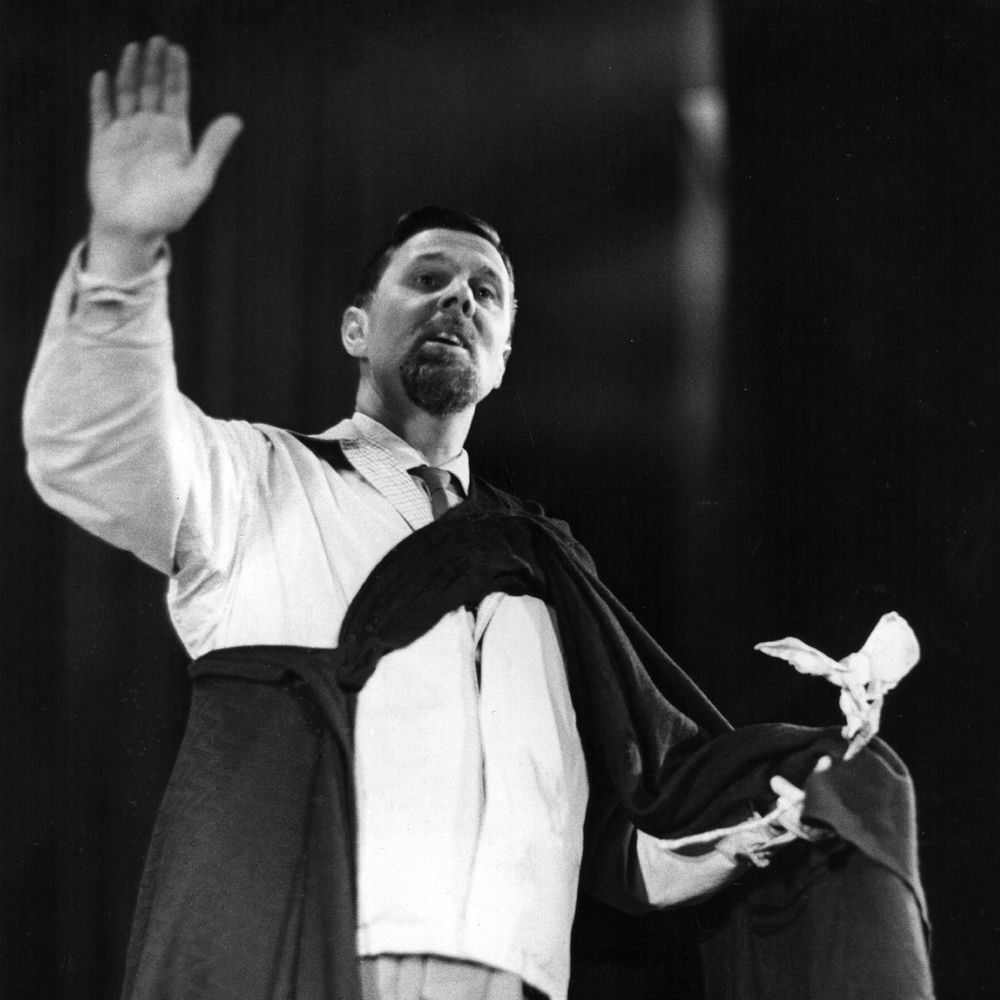
Alfred Deller was an English countertenor who almost single-handedly revived the art of the male alto voice in the 20th century. Hailing from Margate, Kent, his main achievement was not chart sales but the global rediscovery of Renaissance and Baroque vocal music, leading to a prolific recording career that defined the early music movement.
Early career
Born in 1912, Alfred Deller began his musical life as a chorister at Canterbury Cathedral. His unique natural alto voice was developed there, though the countertenor tradition had largely faded from common practice.
After World War II, his career accelerated when composer Michael Tippett heard him and brought him to London. This led to his first professional engagements and, crucially, his early recordings for the HMV label in the late 1940s, introducing his sound to a wider audience.
Breakthrough
Alfred Deller's true breakthrough came in 1950 with the formation of the Deller Consort. This ensemble, dedicated to historically informed performances of pre-Classical music, became his primary vehicle.
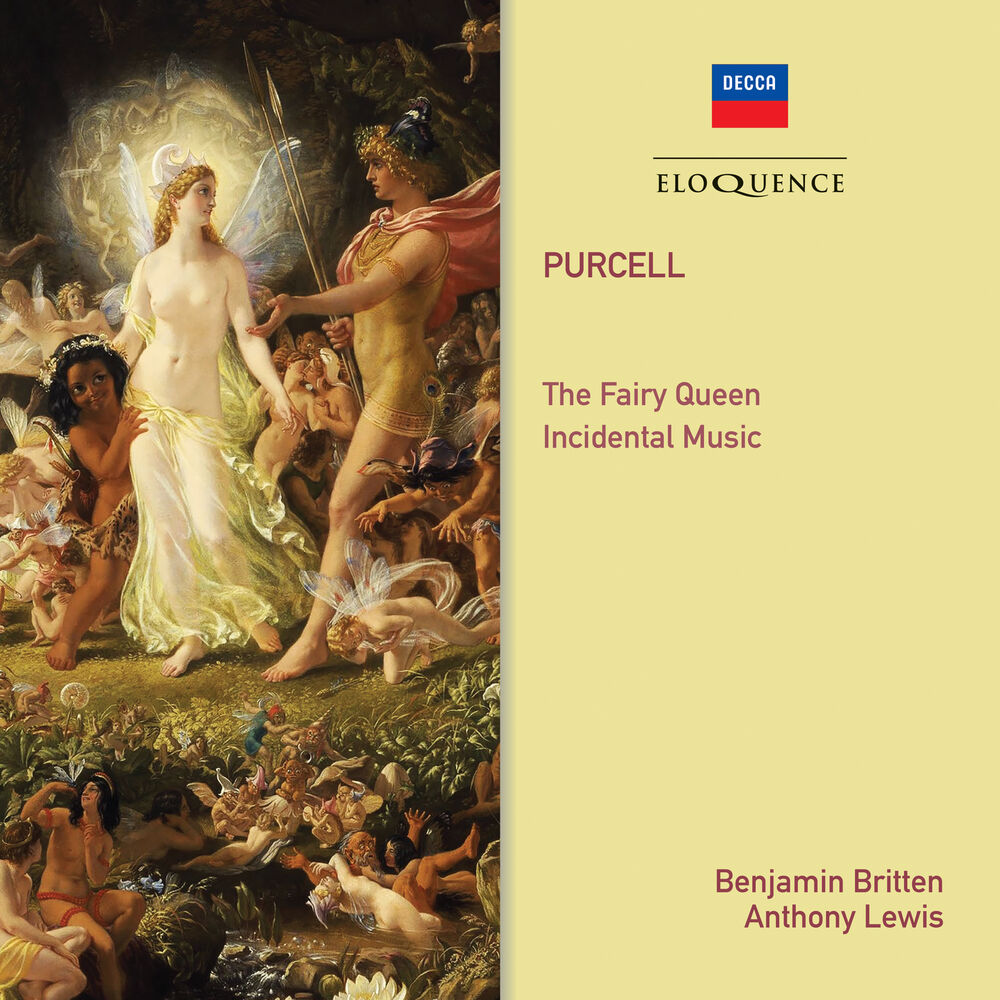
While not achieving pop chart positions, his albums for labels like Vanguard and Harmonia Mundi achieved critical acclaim and strong sales within the classical niche. Records like The Three Ravens and music by Purcell became foundational texts for the genre.
Key tracks
What Then Is Love But Mourning — This Dowland lute song, frequently performed and recorded, perfectly showcased Deller's poignant and expressive phrasing.
Sound the Trumpet from Purcell's "Come Ye Sons of Art" — His recording of this celebratory duet, often with fellow countertenor John Whitworth, became a signature piece.
I Attempt from Love's Sickness to Fly — Another Purcell highlight, it demonstrated his unparalleled skill in delivering English Baroque repertoire with dramatic intensity.
Willow Song — His interpretation of this folk-derived piece displayed the plaintive, folk-like quality he could bring to early music.
The success of the Deller Consort led to international tours and a vast discography. Alfred Deller collaborated with other pioneers like lutenist Desmond Dupré and conductor Nikolaus Harnoncourt. His influence extended beyond performance as he taught and mentored a new generation of countertenors, including his son Mark.
Artists exploring early and folk vocal traditions from the UK include James Bowman, a countertenor who followed in Deller's footsteps. Sting has also engaged with the lute song repertoire Deller championed. The ensemble The Sixteen continues the choral tradition he helped revitalize. John Dowland is the Renaissance composer whose work Deller frequently brought to modern listeners.
The music of Alfred Deller maintains a steady presence on dedicated classical and early music radio stations. Specialized FM broadcasts and online streams focusing on historical repertoire regularly feature his recordings with the Deller Consort.
Listeners can explore the foundational recordings of Alfred Deller on the classical and early music radio stations featured on onairium.com. Tune in to discover how this unique voice reshaped the landscape of historical performance.