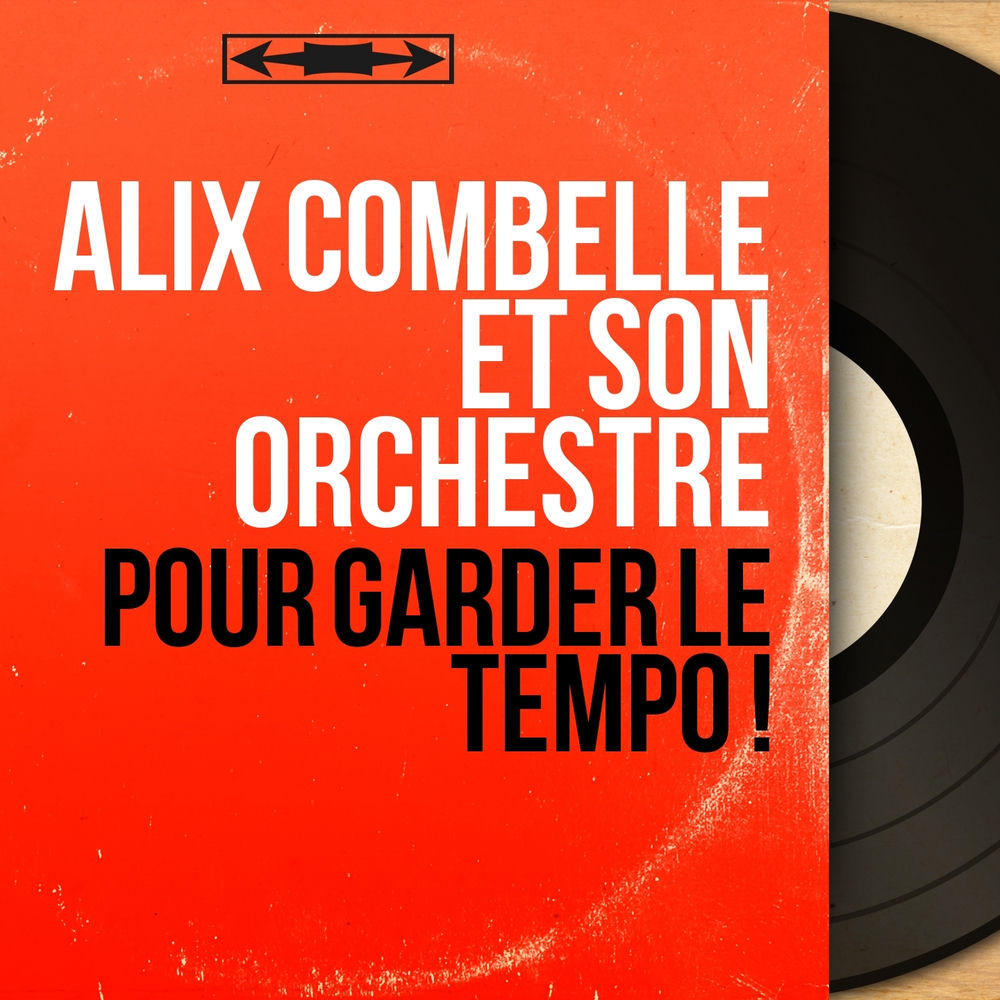
Alix Combelle et son orchestre: The Swing of French Jazz
Alix Combelle was a French tenor saxophonist, clarinetist, and bandleader who became a central figure in the European swing scene of the 1930s and 1940s. Leading his celebrated orchestra, he crafted a vibrant and distinctly French interpretation of American jazz, achieving significant popularity and leaving behind a rich catalog of recordings for labels like Swing and Columbia.
Early career
Born in 1912 in Paris, Alix Combelle was largely self-taught, developing his robust, Coleman Hawkins-influenced tenor saxophone style by intently listening to imported American records. His professional career began in the early 1930s, playing in the dance bands of popular leaders like Grégor and his Grégoriens, which served as a crucial training ground for many French jazz musicians of the era.
Breakthrough
Combelle's breakthrough came in the mid-1930s as the swing era ignited in France. He formed his own orchestra, "Alix Combelle et son orchestre," and began recording prolifically for the Swing label, founded by the legendary producer Charles Delaunay. While specific chart data from this period is scarce, the sheer volume and quality of his output, including sessions with visiting American stars like Django Reinhardt and Bill Coleman, cemented his reputation.
Key tracks
China Boy — This 1937 recording is a quintessential example of Combelle's powerful, driving tenor saxophone work within a tight small-group swing setting.
Honeysuckle Rose — A standout big band performance from 1940 that showcases the orchestra's polished ensemble playing and Combelle's commanding solo voice.
St. Louis Blues — This track highlights Combelle's successful fusion of traditional jazz elements with the modern swing idiom that dominated the era.
After You've Gone — Frequently recorded by Combelle, this standard became a signature vehicle for his muscular, rhythmically assured saxophone style.
The late 1930s and 1940s were the peak years for Alix Combelle et son orchestre, with the band adapting to the wartime period by recording for the Pathé and Columbia labels. He collaborated extensively with fellow French jazz star Django Reinhardt on seminal sides like "After You've Gone" and "Swing 39," bridging the gap between gypsy jazz and big band swing. His orchestra was known for its precise sections and ability to deliver both fiery swing numbers and smoother dance fare.
Artists with a similar foundational role in French swing include Django Reinhardt, whose revolutionary guitar style Combelle often accompanied. Stéphane Grappelli shared Combelle's dedication to swinging string-led jazz. Michel Warlop led a similarly skilled French swing orchestra during the same vibrant period. For the clarinet-driven side of the genre, explore Hubert Rostaing, another key sideman in the Quintette du Hot Club de France.
The music of Alix Combelle et son orchestre maintains a regular presence on dedicated jazz and swing radio stations, particularly those focusing on historical genres and the golden age of big band music. His recordings are staples on online radio streams that celebrate classic jazz from the 1930s and 1940s, ensuring his swing legacy continues to reach new listeners.
You can hear the timeless swing of Alix Combelle et son orchestre on radio stations featured right here on onairium.com. Explore our curated selection of jazz and classic music stations to discover this pivotal artist's work and the rich era of French jazz he helped define.