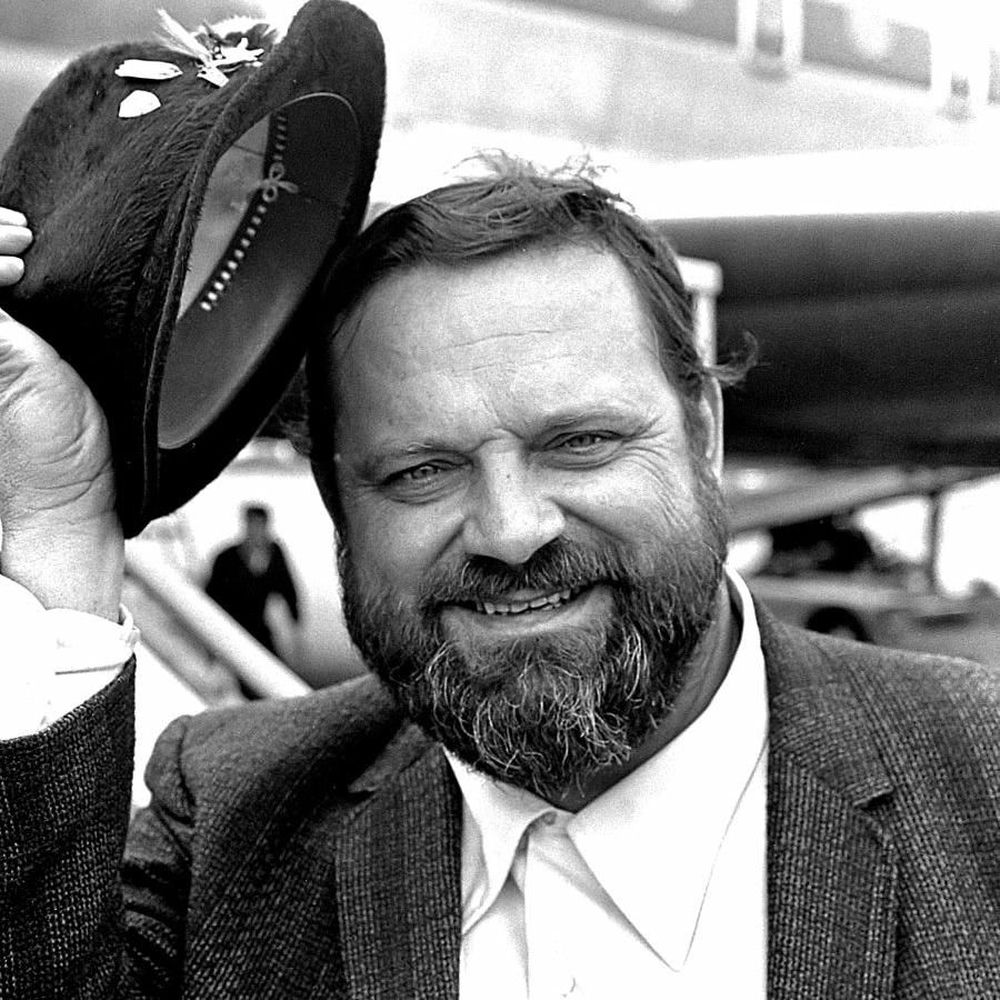
Allen Eager With The Be Bop Boys: A Tenor Saxophone Force in 1940s Bebop
Allen Eager With The Be Bop Boys represents a pivotal studio ensemble led by the prodigious tenor saxophonist Allen Eager, capturing the raw energy of the mid-1940s bebop revolution. These recordings, cut for the Savoy and Dial labels, stand as essential documents of the era's transition from swing to modern jazz.
Early career
Allen Eager was born in 1927 in New York City, immersing himself in the city's vibrant jazz scene as a teenager. A self-taught musician inspired by Lester Young, he was playing professionally on 52nd Street by the age of 16, quickly earning a reputation for his fluid, cool-toned approach amid the fiery bebop movement.
Breakthrough
Eager's breakthrough came not with a commercial chart hit, but through his influential presence on a series of seminal 1946-1947 recording sessions. Under his own name and as a sideman, his work for labels like Savoy, Dial, and Gotham defined the sound of modern tenor saxophone. While these 78 rpm records did not achieve gold certification, their artistic impact on fellow musicians was immediate and profound.
Key tracks
Landing — This 1946 Savoy side is a blistering bebop original showcasing Eager's confident, flowing lines over complex changes.
Ladybird — The group's take on the Tadd Dameron standard highlights Eager's melodic invention and sophisticated harmonic sense.
Allen's Alley — Named for the saxophonist, this driving tune captures the quintessential sound of a 52nd Street bebop session.
I Waited For You — This performance demonstrates Eager's capacity for ballad beauty, a crucial aspect of his musical personality.
The Be Bop Boys were a rotating cast of top-tier talent, frequently featuring trumpeter Fats Navarro, a collaboration that produced some of the most celebrated interplay of the period. Eager also recorded extensively with pianist Bud Powell and bandleader Buddy Rich, further cementing his status. His later career saw him explore racing cars and the West Coast jazz scene, but these late-1940s sides remain his definitive contribution.
For listeners who appreciate the pioneering bebop of Allen Eager, the music of Charlie Parker is the foundational genius of the genre. Dexter Gordon shared a similar tenor saxophone command during the same explosive period. The cool-toned approach of Stan Getz shows a parallel evolution from the same bebop roots. Fats Navarro was Eager's direct trumpet counterpart on many of these historic sessions.
The recordings of Allen Eager With The Be Bop Boys are a staple on dedicated jazz radio stations, particularly those focusing on classic bebop and the golden age of modern jazz. Online radio streams specializing in archival jazz frequently feature these historic Savoy and Dial recordings in their rotation, introducing new generations to this vital sound.
The music of Allen Eager With The Be Bop Boys can be heard on radio stations featured on our website. Listeners can discover this cornerstone of bebop history through the classic jazz radio stations available on onairium.com.