
Alma Mahler: The Enigmatic Muse of Classical Song
Alma Mahler was an Austrian composer and socialite whose life and music became a focal point of early 20th-century Viennese culture. Her primary musical achievement lies in her collection of art songs, which have seen a significant resurgence in recordings and performances since the late 1900s, introducing her work to a modern audience.
Early career
Born Alma Schindler in 1879 in Vienna, she demonstrated formidable musical talent from a young age, studying composition with Alexander von Zemlinsky. Her early creative output, primarily lieder (art songs), was cultivated within the intense intellectual and artistic circles of fin-de-siècle Vienna, though her ambitions were often sidelined by the era's societal expectations for women.
Breakthrough
While not a commercial breakthrough in the modern sense, Alma Mahler's rediscovery by the music world in the 1980s and 1990s marked a critical turning point. The 1997 album Alma Mahler: Complete Songs, performed by mezzo-soprano Iris Vermillion, played a key role in presenting her complete vocal oeuvre, sparking renewed scholarly and public interest in her compositions.
Key tracks
Die stille Stadt — This poignant song, set to a Richard Dehmel text, is often cited as one of her most perfectly realized and frequently performed lieder.
Laue Sommernacht — Composed in 1910, this song showcases her distinctive harmonic language and sensitive approach to poetic text.
Ansturm — A powerful and dramatic setting that reveals the intense, passionate character within her musical style.
Licht in der Nacht — This later work illustrates the enduring and evolving nature of her compositional voice across decades.
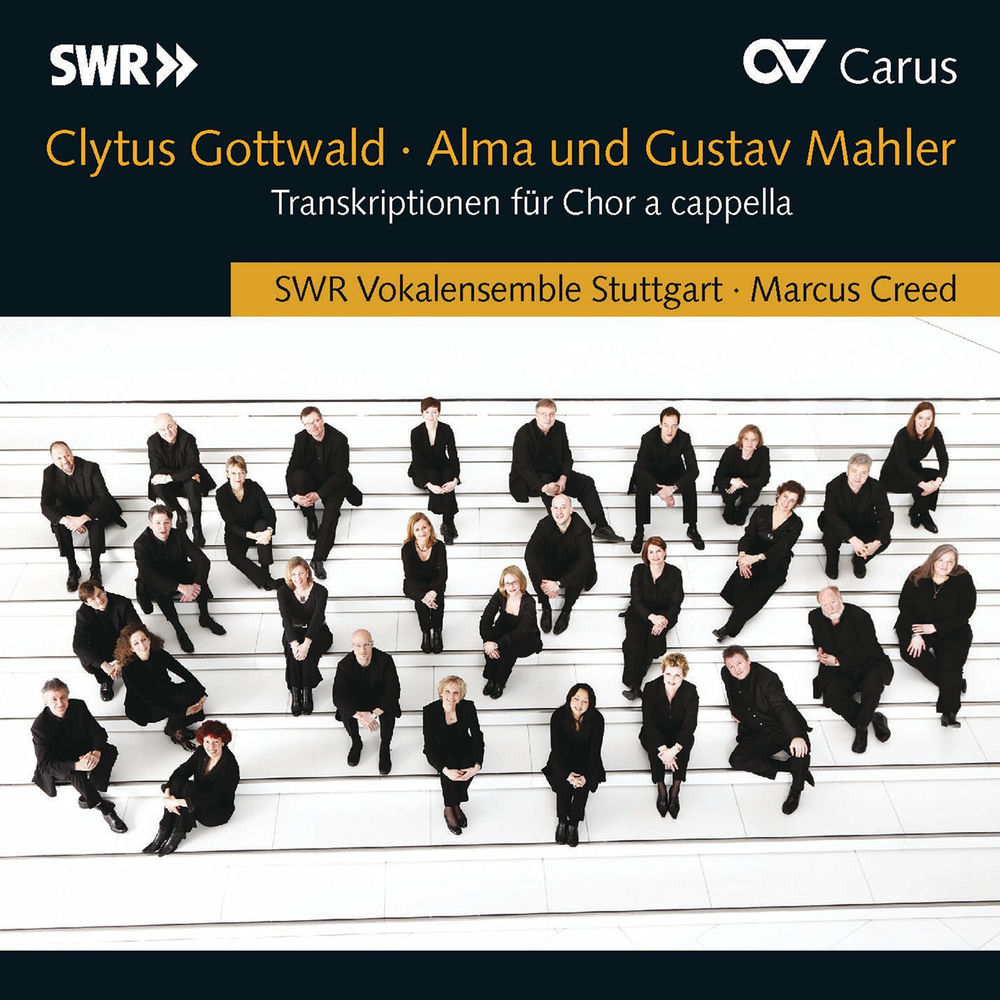
The revival of interest led to numerous concert performances and new recordings on classical labels like Deutsche Grammophon and Chandos. Her songs are now regularly programmed in recitals alongside works by her husband Gustav Mahler and her teacher Zemlinsky, securing her a distinct place in the classical song repertoire.
Artists with a similar focus on German lieder and a connection to the rich Viennese tradition include Gustav Mahler, whose symphonic scope contrasts with her intimate songs. Hugo Wolf shares her deep commitment to the fusion of poetry and music in the art song form. The influence of her teacher can be heard in the works of Alexander von Zemlinsky, whose chromatic harmonies align with her own style.
The music of Alma Mahler has found a dedicated home on specialized classical radio stations and online classical music streams. Her art songs are featured in programming dedicated to vocal music, historical composers, and the specific genre of German Romantic lieder, reaching an audience of connoisseurs and new listeners alike.
Listeners can explore the compelling songcraft of Alma Mahler through the curated playlists of classical radio stations available on onairium.com, where her haunting melodies continue to resonate with a modern audience.