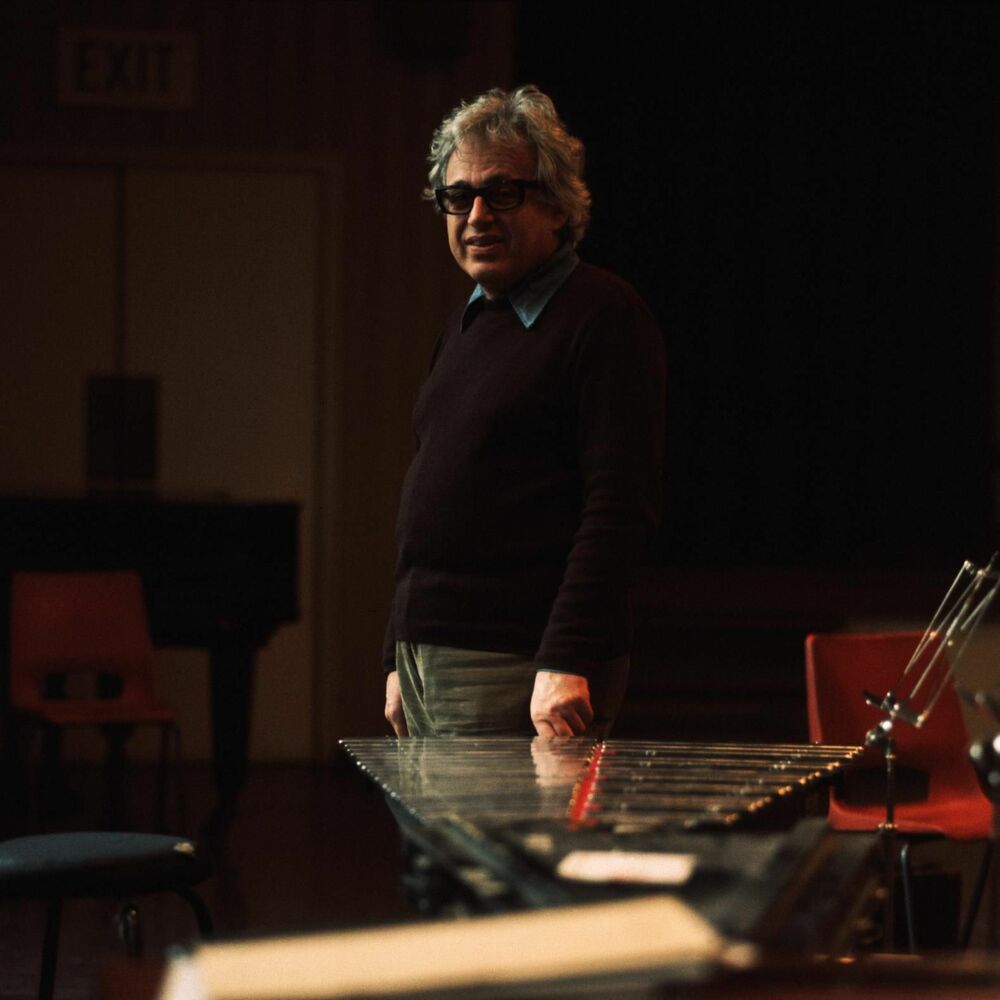

Alphons Czibulka: The Waltz and Operetta Virtuoso
Alphons Czibulka was a Hungarian-born composer, conductor, and pianist celebrated for his captivating dance music and operettas in the late 19th century. His international fame was cemented by the phenomenal success of his concert waltz Stephanie-Gavotte, a piece that became a global sheet music bestseller.
Early career
Born in 1842 in Szepesváralja, then part of the Kingdom of Hungary, Czibulka demonstrated musical talent early. He began his professional career as a military bandmaster, serving in the Austrian army and later for the Prussian Garde du Corps in Dresden, where he honed his skills in composing light, accessible concert music.
Breakthrough
Czibulka's major breakthrough arrived in the 1880s with the publication of his concert waltz Stephanie-Gavotte, Op. 312. Named in honor of Princess Stéphanie of Belgium, the piece achieved remarkable commercial success, selling hundreds of thousands of copies of sheet music worldwide and establishing his name far beyond the confines of military bands.
Key tracks
Stephanie-Gavotte — This waltz was Czibulka's signature work, a massive international hit that defined his career and remains his most recognized composition.
Liebeslied — Also known as "Love's Dream After the Ball," this sentimental piece further solidified his reputation for crafting elegant and popular salon music.
Pfingsten in Florenz — This concert waltz, translating to "Whitsuntide in Florence," showcased his talent for evocative, programmatic light music.
Der Königsgardist — As one of his successful operettas, it demonstrated his expansion into theatrical works beyond instrumental dance compositions.
Following the wave of popularity from his instrumental hits, Czibulka focused significantly on composing operettas. He produced over a dozen stage works, including Pfingsten in Florenz and Der Königsgardist, which enjoyed considerable success in Vienna and Berlin during the 1880s and 1890s. His career was primarily based in Vienna, where he also worked as a conductor at the Theater an der Wien and other prominent venues, deeply embedded in the city's vibrant operetta scene. While precise chart data from his era is unavailable, the sustained publication and performance of his works, especially the Stephanie-Gavotte, attest to their enduring popularity in the repertoire of light classical and dance ensembles.
Fans of Alphons Czibulka's elegant Viennese style may also appreciate the works of Johann Strauss, the undisputed "Waltz King" whose dominance defined the genre. The romantic operettas of Franz Lehár represent the later golden age of Viennese light musical theatre. For the spirited march and dance music from a similar period, explore Julius Fučik, another composer with a background in military bands.
The music of Alphons Czibulka maintains a cherished place in the rotations of classic FM stations and dedicated online streams specializing in light classical and operetta programming. His waltzes and overtures are regularly featured on programs celebrating the Viennese tradition and historical dance music, connecting modern audiences with the salon sounds of the 19th century.
Listeners can discover the charming waltzes and operetta melodies of Alphons Czibulka on radio stations featured on onairium.com. Tune in to our curated selection of stations to hear his timeless contributions to light classical music and Viennese operetta.