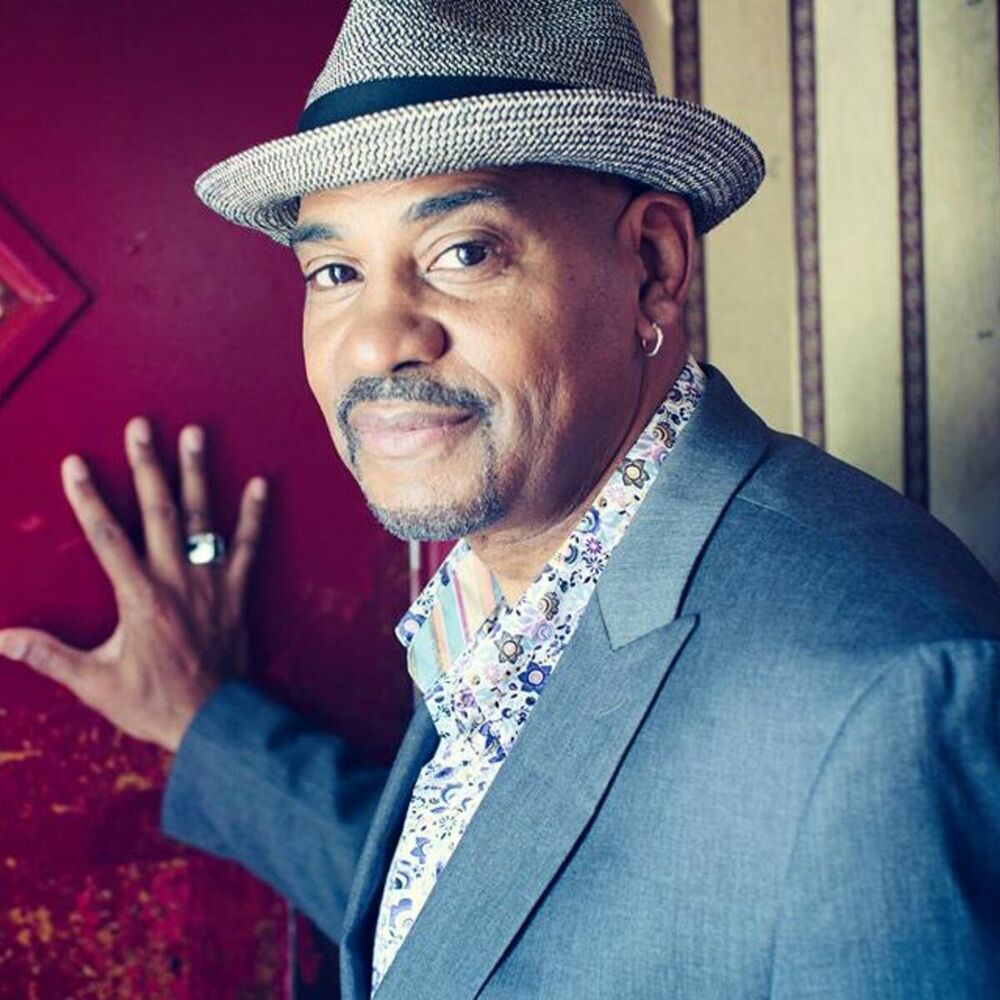

Alphonse Picou: Clarinet Pioneer of New Orleans Jazz
Alphonse Picou was a foundational clarinetist and composer from New Orleans, Louisiana. His career, spanning the late 19th and early 20th centuries, is cemented by a single, immortal contribution to the jazz repertoire.
Early career
Born in 1878 in New Orleans, Picou began his musical life as a guitarist before switching to clarinet. He was a product of the city's vibrant musical melting pot, learning to read music while also mastering the improvisational style that defined early jazz.
By the 1890s, he was performing in seminal brass bands and dance orchestras, including those led by Bunk Johnson and Manuel Perez. This period established Picou as a respected sideman within the tight-knit New Orleans music scene before any recordings were made.
Breakthrough
Picou's defining moment came not with a chart-topping single, but with a legendary adaptation. While playing with the Imperial Orchestra around 1901, he crafted a groundbreaking clarinet part for the march High Society.
His intricate, syncopated variation on the existing piccolo solo became known as the "Picou part." This solo became a mandatory test piece for all clarinetists in the traditional jazz genre, ensuring his influence for generations.
Key tracks
High Society — His iconic clarinet solo on this track became a standard and is his most enduring legacy.
Muskrat Ramble — Recorded with the Original Dixieland Jazz Band, this track features his playing on a classic jazz standard.
Clarinet Marmalade — This recording showcases Picou's technical skill and pure tone within a classic ensemble setting.
Snake Rag — His work with King Oliver's Creole Jazz Band on this 1923 Okeh Records session captured the early jazz sound.
When the Saints Go Marching In — Later recordings of this gospel standard often referenced the rhythmic feel Picou helped pioneer.
Despite his early innovation, Picou recorded relatively sparingly. His most notable sessions were with King Oliver's Creole Jazz Band for Okeh Records in the early 1920s. These recordings, including Snake Rag, preserved his clean, lyrical style for posterity.
He continued performing in New Orleans throughout his life, leading his own bands and mentoring younger musicians. Alphonse Picou passed away in 1961, but his musical signature lived on through every clarinetist who tackled his famous solo.
For listeners exploring the roots of jazz, similar artists from the same era and region include King Oliver, whose band featured Picou and defined early ensemble jazz. Sidney Bechet offers another powerful reed voice from the New Orleans tradition. Jelly Roll Morton shares the Creole musical heritage and sophisticated compositional approach. Louis Armstrong represents the ultimate evolution of the New Orleans sound that Picou helped create.
The music of Alphonse Picou remains in rotation on dedicated traditional jazz and classic New Orleans radio stations. Online streams specializing in early 20th century American music frequently feature his historic recordings with King Oliver and other pioneers.
Listeners can hear the foundational clarinet work of Alphonse Picou on radio stations featured on onairium.com. Discover the origins of jazz through the artists who shaped it on our curated selection of music streams.