
Alvin Fielder: The Pulse of Modern Jazz and Creative Music
Alvin Fielder was an American drummer whose profound influence shaped the avant-garde jazz and free improvisation scenes for over five decades. Hailing from Meridian, Mississippi, his career is defined not by commercial chart success but by a relentless dedication to artistic exploration and foundational work with pivotal groups like the Association for the Advancement of Creative Musicians (AACM).
Early career
Born in 1935, Alvin Fielder's musical journey began in the American South, but his artistic identity was forged in Chicago. He moved there to study pharmacy, but his passion for rhythm led him to the city's vibrant jazz underground. His early professional development was crucially shaped by studying under the legendary drummer Walter Dyett and through deep immersion in the emerging free jazz movement of the late 1950s and early 1960s.
Breakthrough
Fielder's breakthrough into the recorded history of creative music came with his involvement in the seminal album Song For by the Roscoe Mitchell Sextet in 1966. Released on the Nessa label, this album is widely regarded as one of the first recordings by the AACM, a collective that revolutionized modern jazz. While the album had no traditional chart performance, its historical importance is certified by its enduring status among critics and musicians as a landmark of avant-garde jazz.
Key tracks
Sound — This opening track from "Song For" established a new language for collective improvisation, with Fielder's textural drumming providing a dynamic, non-pulsatile foundation.
Tutankhamun — Featured on pianist Muhal Richard Abrams' 1967 album "Levels and Degrees of Light," this track showcases Fielder's ability to navigate complex structures within the AACM's compositional ethos.
Dastura — From the 1978 album "The Iron Man" by Kidd Jordan, this performance highlights Fielder's powerful synergy with fellow Southern avant-gardists in a later career highlight.
No. 6 — Recorded with the Dennis Gonzalez Boston Project in 2000, this piece demonstrates Fielder's enduring vitality and adaptability in collaborative settings decades into his career.
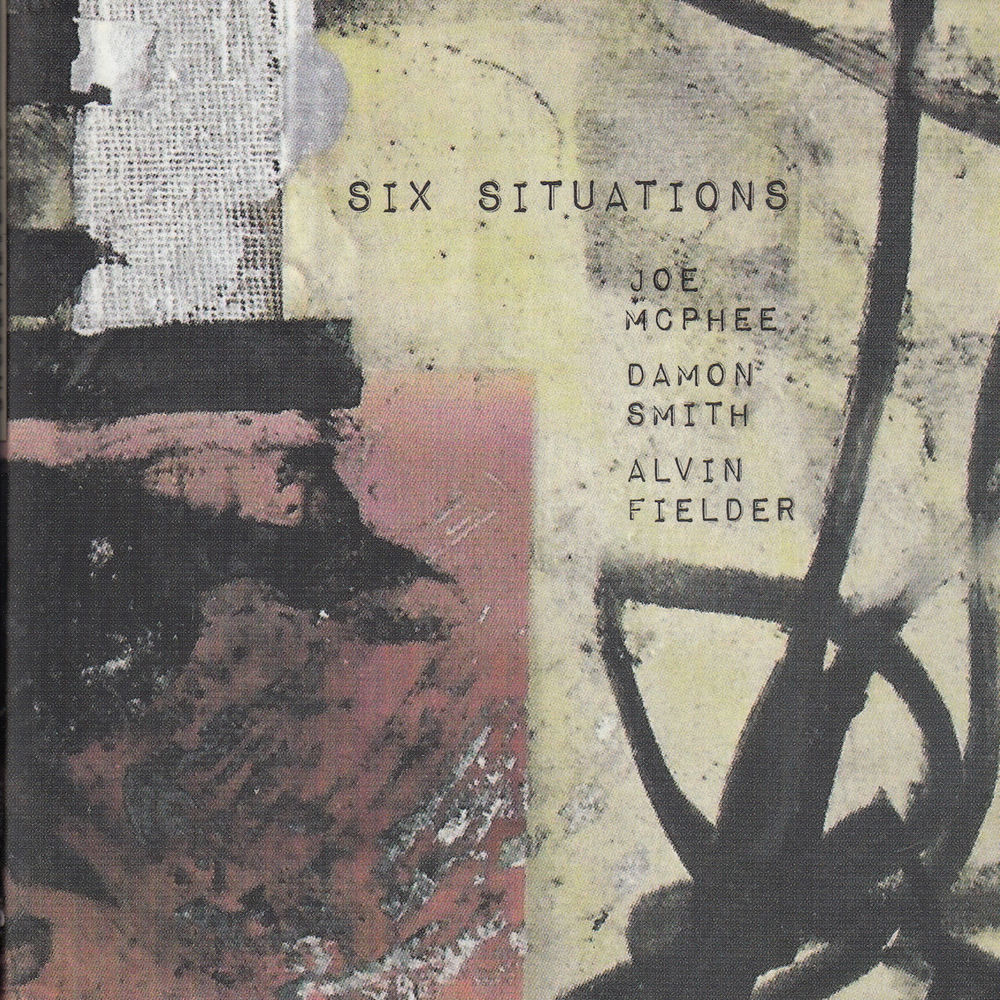
Fielder's later career included a return to Mississippi, where he co-founded the Black Arts Music Society and continued to perform and record prolifically. He was a key member of the Fielder-Cook Quartet and collaborated extensively with figures like bassist Joel Futterman and saxophonist Kidd Jordan. His work on albums such as Remembering and Nuba for the Silkheart and Boxholder labels further cemented his legacy as a master of spontaneous musical dialogue.
For listeners exploring the frontiers of jazz, artists like Roscoe Mitchell share Fielder's commitment to structural innovation. Kidd Jordan exemplifies a similar deep-rooted yet forward-thinking Southern approach to free jazz. The collective spirit is echoed in the work of Muhal Richard Abrams, a co-founder of the AACM. The percussive exploration finds a parallel in the work of Hamid Drake, who represents a later generation of spiritually-informed free jazz drummers.
The innovative recordings of Alvin Fielder are a staple on specialty jazz and creative music radio stations featured on this website. Dedicated free jazz radio streams and independent music radio stations frequently program his work, recognizing his essential role in the development of modern improvisational music.
Listeners can discover the groundbreaking artistry of drummer Alvin Fielder by tuning into the avant-garde jazz and creative music radio stations available on onairium.com, where his influential contributions to the genre are regularly featured and celebrated.