
Alvin Lucier: Architect of American Experimental Sound
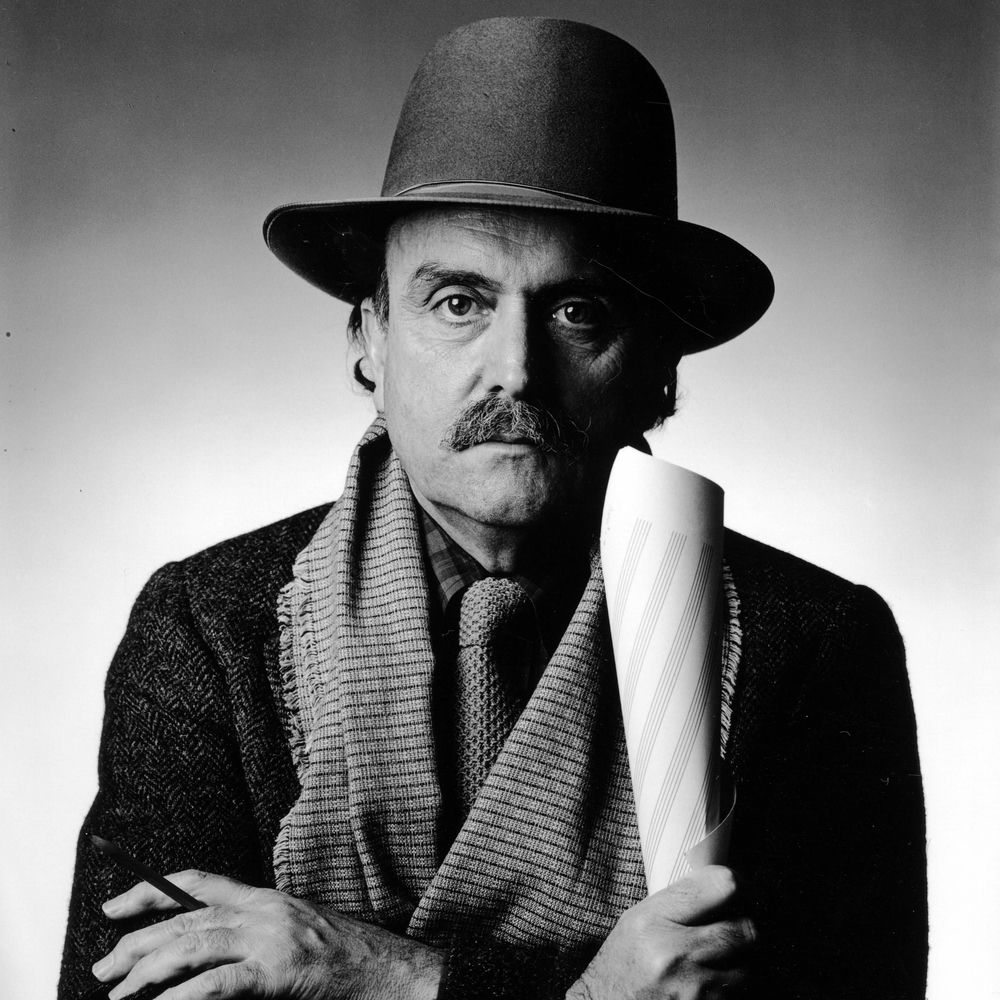
Alvin Lucier was a pioneering American composer whose work fundamentally reshaped the landscape of experimental music and sound art. Hailing from Nashua, New Hampshire, his primary achievement was not chart success but the creation of a profound and influential body of work that explored the physical properties of sound itself.
Early career
Born in 1931, Alvin Lucier's formal training began at Yale and Brandeis Universities, where he studied composition. His early career path was set in the 1960s when he became a founding member of the Sonic Arts Union, a collective of composers dedicated to live electronic music performance. This period established his focus on acoustic phenomena and the use of scientific instrumentation as musical tools.
Breakthrough
Lucier's breakthrough came with the 1969 composition and subsequent 1970 recording I Am Sitting in a Room. This piece, released on the independent label Source Records, did not chart but became a landmark work in 20th-century music. Its conceptual rigor, using recorded speech and room resonance, defined his career and cemented his reputation within the avant-garde.
Key tracks
I Am Sitting in a Room — This seminal work processes a spoken text through a room's natural acoustics until it becomes pure resonance.
Music for Solo Performer — A groundbreaking 1965 piece that uses amplified alpha brainwaves to play percussion instruments.
Vespers — This 1968 composition employs hand-held echo-location devices, creating an immersive sonic environment based on spatial navigation.
Crossings — A later work from 1982 featuring slowly shifting waves generated by pure tones interacting with room spaces.
The trajectory of Alvin Lucier's career was defined by a relentless exploration of these core ideas. He spent decades as a professor at Wesleyan University, influencing generations of musicians. His work was documented on labels like Lovely Music, Cramps Records, and important compilations such as the 1990 album Sferics. Lucier collaborated with artists like John Cage and Robert Ashley, and his compositions were performed globally, though they operated outside the traditional music industry metrics of sales and chart positions.
Listeners exploring the world of American experimental composition might also appreciate the work of John Cage, whose philosophical approach to sound opened new territories. La Monte Young shares Lucier's focus on sustained tones and drone-based structures. The spatial installations of Maryanne Amacher investigate psychoacoustics in a related manner. Furthermore, Robert Ashley was a key collaborator and fellow traveler in the Sonic Arts Union, exploring the musicality of speech.
Alvin Lucier's unique contributions to sound are celebrated on specialty radio formats, including university radio stations, online experimental music streams, and independent arts-focused radio stations. These platforms provide a crucial space for his challenging and immersive auditory experiences.
The innovative music of Alvin Lucier can be heard on radio stations featured on our website. Listeners can discover his groundbreaking work in experimental music through the curated radio stations available on onairium.com.