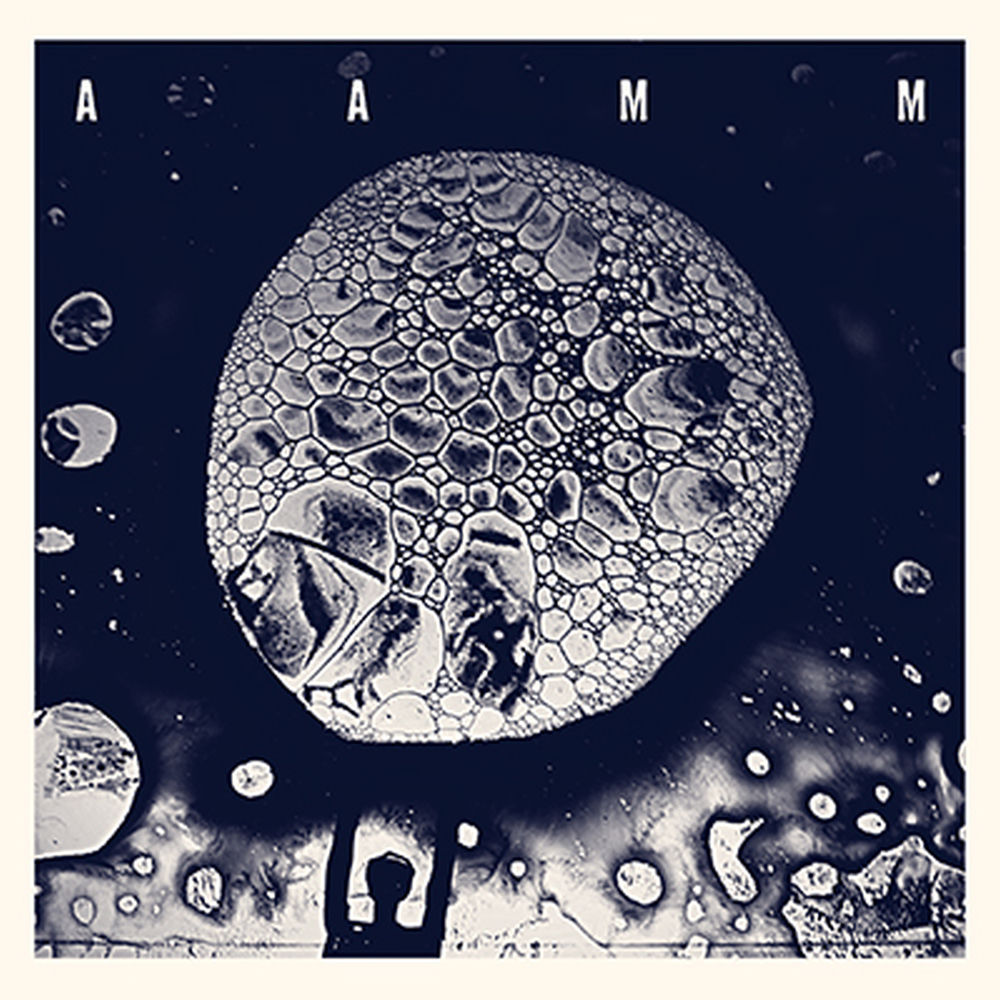

AMM: Pioneers of British Free Improvisation
AMM is a foundational British experimental music ensemble, formed in London in 1965. The group is celebrated not for commercial sales or chart success, but for creating a radical, non-idiomatic form of collective improvisation that has profoundly influenced avant-garde music for decades.
Early career
AMM coalesced in 1965 from the intersecting London scenes of jazz, contemporary classical, and emerging free music. The original lineup included pianist/composer Cornelius Cardew, guitarist Keith Rowe, saxophonist Lou Gare, and drummer Eddie Prévost. Their first recording session in 1966, later released as AMMMusic on the Elektra label in 1967, immediately defined their uncompromising ethos.
Breakthrough
While commercial breakthrough is an alien concept for AMM, their 1969 album The Crypt - 12th June 1968 on the Matchless Recordings label marked a critical milestone. This powerful double album, capturing a complete performance, cemented their international reputation within the avant-garde and established a blueprint for live, electroacoustic improvisation that ignored genre boundaries.
Key tracks
Later During a Flaming Riviera Sunset — This track from the 1972 album At the Roundhouse showcases the group's textural depth and dynamic interplay between instruments and electronics.
What Is There in Uselessness to Cause You Distress? — A pivotal piece from the 1990 album The Inexhaustible Document that demonstrates the enduring power and evolution of the AMM aesthetic over 25 years.
Laminal — This epic, three-CD set from 1996 documents a rare meeting of two different AMM lineups, highlighting the continuity and change within their unique musical language.
The group's personnel has shifted over the decades, with key members like John Tilbury joining on piano in the early 1980s. AMM has maintained a consistent practice of weekly rehearsals and sporadic performances, releasing albums on specialist labels like Matchless, which is run by founding member Eddie Prévost.
Their collaborations are few but significant, most notably with the American group The Art Ensemble of Chicago, resulting in the 1978 album AMM/Art Ensemble of Chicago. This meeting of pioneering improvisational minds from two continents remains a landmark in experimental music history.
If you appreciate the boundary-pushing work of AMM, explore similar artists featured on our site. The Art Ensemble of Chicago shares a parallel ethos of collective creation and genre dissolution. Evan Parker explores extended saxophone techniques within the British free improvisation scene. John Butcher continues the investigation into the sonic possibilities of the saxophone. Christian Wolff represents the composed strand of experimental music that intersects with AMM's world.
AMM's challenging and immersive soundscapes are featured on dedicated experimental and avant-garde radio stations across our network. Listeners can find their work on independent music radio stations and specialized online radio streams that focus on the history and future of sound art and free improvisation.
The influential music of AMM can be heard on radio stations featured on our website. Explore the vast landscape of experimental sound and listen to AMM through the curated radio stations available on onairium.com.