Amon Düül
Type: Group
 Cabo Verde
Cabo Verde
Listen on radio stations:
Amon Düül: Pioneers of Krautrock and Psychedelic Exploration
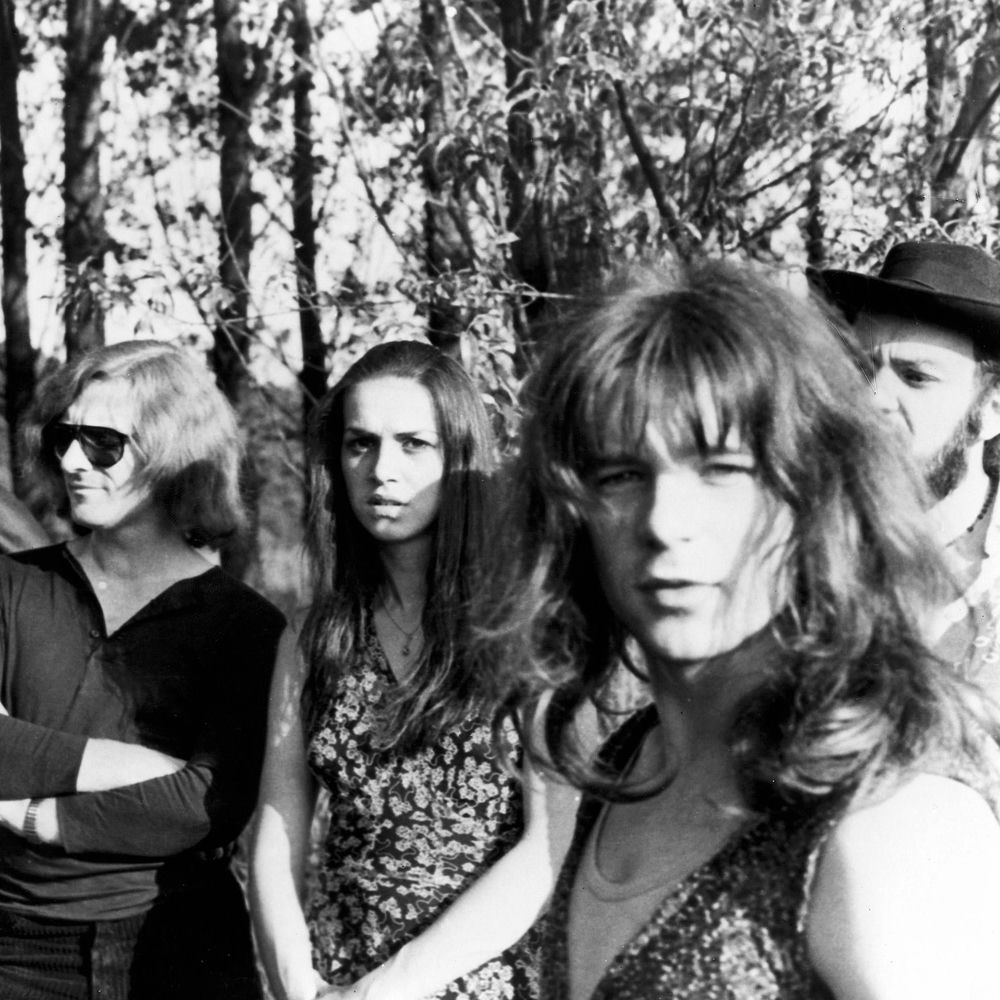
Amon Düül is a foundational German collective whose improvisational and experimental approach helped define the krautrock movement. Emerging from the political and artistic communes of late-1960s Munich, the group is best known for their influential early albums which became cult classics and inspired a generation of experimental rock musicians.
Early career
The group originated in 1967 as the musical wing of a larger Munich-based commune of the same name, born from the radical student and counterculture movements of the era. Their earliest recordings were lengthy, free-form psychedelic jam sessions, which led to their 1969 debut album Psychedelic Underground, released on the Liberty label.
Breakthrough
Amon Düül's breakthrough in the experimental rock scene came with their 1970 double album Yeti, released on the German Ohr label. The record, featuring extended improvisations and folk-tinged psychedelia, received critical acclaim and established their reputation as pioneers of the burgeoning krautrock genre, gaining a dedicated international following.
Key tracks
Archangel Thunderbird - This driving, rhythmic track from the 1971 album Tanz der Lemminge became one of the band's most recognizable songs, showcasing a more focused rock energy.
Eye-Shaking King - A sprawling, side-long epic from Yeti that exemplifies the group's signature style of communal, improvisational jamming and psychedelic soundscapes.
Deutsch Nepal - A key track from their early period that blends hypnotic rhythms with raw, experimental guitar work, capturing the essence of their commune-based creative process.
The collective eventually split into two separate entities: the more improvisation-focused Amon Düül (often called Amon Düül I) and the more structured, commercially successful Amon Düül II. The original group's output continued through the early 1970s with albums like Disaster and Experimente before dissolving, leaving behind a legacy of radical musical freedom.
Fans of Amon Düül's groundbreaking krautrock sound may also appreciate the work of Can, another German group known for their improvisational and rhythmic innovation. The more electronic explorations of Kraftwerk also share a foundational German experimental spirit. For the melodic and progressive side of the genre, listeners often turn to Neu! and the related projects of Faust, who were central to the krautrock scene's diversity.
Similar artists