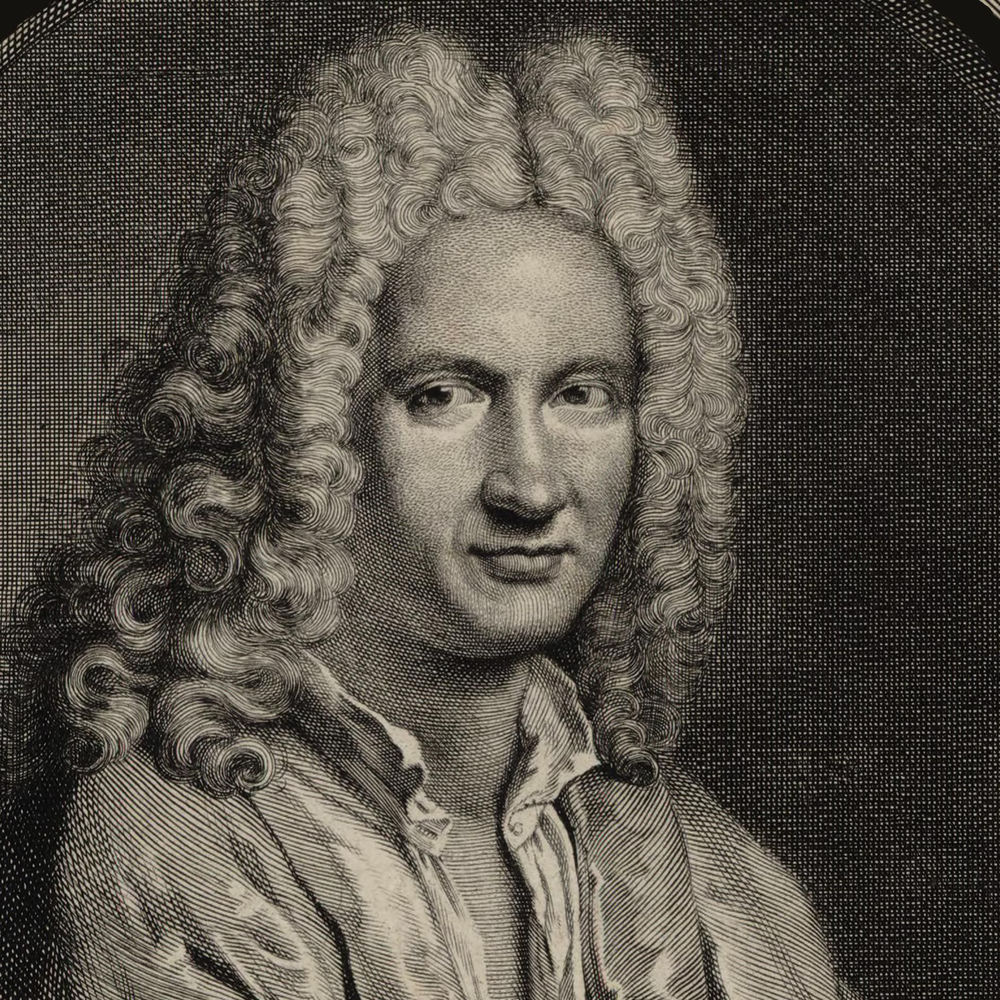

André Campra: The Baroque Opera and Ballet Innovator
André Campra was a pivotal French composer of the late Baroque era, celebrated for his revolutionary integration of opera and ballet. Hailing from Aix-en-Provence, his major achievement was revitalizing French lyric theatre, with works like L'Europe galante achieving immense popularity and defining a new genre.
Early career
Born in 1660 in Provence, Campra began his career within the church, securing positions as maître de musique at cathedrals in Toulon, Arles, and finally Notre-Dame de Paris in 1694. His early published works were sacred motets, but his ambition soon turned toward the secular stage, where he began composing theatrical works anonymously to avoid conflict with his ecclesiastical employers.
Breakthrough
Campra's breakthrough came in 1697 with the premiere of L'Europe galante, a work he boldly published under his own name. This opéra-ballet, produced for the Académie Royale de Musique, was a sensational hit, blending separate sung and danced entrées into a cohesive whole and setting a new standard for theatrical entertainment in Paris.
Key tracks
L'Europe galante — This groundbreaking opéra-ballet established the new genre and made Campra the leading theatrical composer in Paris for a generation.
Les Festes vénitiennes — A later opéra-ballet from 1710 that solidified his formula for success with its lavish spectacle and melodic invention.
Tancrede — His 1702 tragédie en musique demonstrated his mastery of serious opera, competing with the legacy of Lully and featuring powerful dramatic scenes.
Idoménée — Premiering in 1712, this tragédie en musique is considered his operatic masterpiece, renowned for its profound emotional depth and orchestral richness.
Requiem Mass — His sacred Messe des morts, composed around 1725, remains a cornerstone of French Baroque funeral music, frequently performed and recorded.
Following his initial success, Campra ascended to the prestigious post of Director of the Royal Chapel in 1723. He continued to produce successful stage works while also composing grand motets for the court of Louis XV. His later career saw him honored as a central figure in French musical life, bridging the styles of Lully and Rameau.
For listeners who appreciate the dramatic French Baroque of André Campra, explore the works of Jean-Baptiste Lully who founded the French operatic tradition. Jean-Philippe Rameau later expanded on Campra's harmonic innovations. Marc-Antoine Charpentier offers a parallel genius in both sacred and secular music from the same period.
André Campra's music holds a regular place in the rotation of classical music radio stations and dedicated Baroque music streams featured on this website. His vibrant ballet suites and dramatic opera excerpts are staples on stations programming early music, providing a sonic glimpse into the splendor of the French court.
The music of André Campra can be heard on radio stations featured on our website. Listeners can discover the elegant drama of French Baroque through stations available on onairium.com.