
André Hodeir: The French Jazz Theorist and Avant-Garde Composer
André Hodeir was a pivotal French jazz critic, composer, and violinist whose intellectual approach reshaped European jazz in the mid-20th century. Hailing from Paris, his main achievement was founding the groundbreaking Jazz Groupe de Paris and authoring the influential book "Jazz: Its Evolution and Essence," which became a standard analytical text.
Early career
Born in Paris in 1921, André Hodeir received a rigorous classical education at the Conservatoire de Paris, studying harmony and violin. His initial career path pointed toward classical composition until he discovered jazz during the 1940s, leading him to pick up the saxophone and immerse himself in the bebop revolution.
He began writing jazz criticism for the French magazine "Jazz Hot" in the late 1940s, establishing his voice as a serious analyst. His early recordings as a leader, like the 1954 10-inch LP "The Vogue Sessions," showcased his complex, written-through compositions that treated jazz with a formalist's precision.
Breakthrough
Hodeir's breakthrough as a practicing composer, rather than solely a theorist, came with the 1957 album "American Jazzmen Play André Hodeir." This project, recorded for the French Savoy label, featured major American players like Donald Byrd and Bobby Jaspar interpreting his challenging scores. While not a commercial chart success, it cemented his reputation as a formidable writer with a unique European voice.
His most ambitious work followed in 1959 with the album "Jazz et Jazz" for the French label Philips. This album featured his Jazz Groupe de Paris, a hand-picked ensemble capable of navigating his intricate, through-composed pieces that blurred the lines between jazz and contemporary classical music.
Key tracks
On a Blues — This track from "The Vogue Sessions" demonstrates Hodeir's early skill at deconstructing and re-harmonizing a standard blues form with sophisticated counterpoint.
Around the Blues — Featured on the 1957 Savoy album, this composition is a prime example of his thematic development and demanding structures for improvisers.
Paradoxe I — The opening movement of the "Jazz Cantata" on "Jazz et Jazz," it is a stark, dramatic piece showcasing his avant-garde ambitions within a jazz framework.
Crépuscule — This later work illustrates Hodeir's continued exploration of tonal color and texture, moving further into third-stream territory.
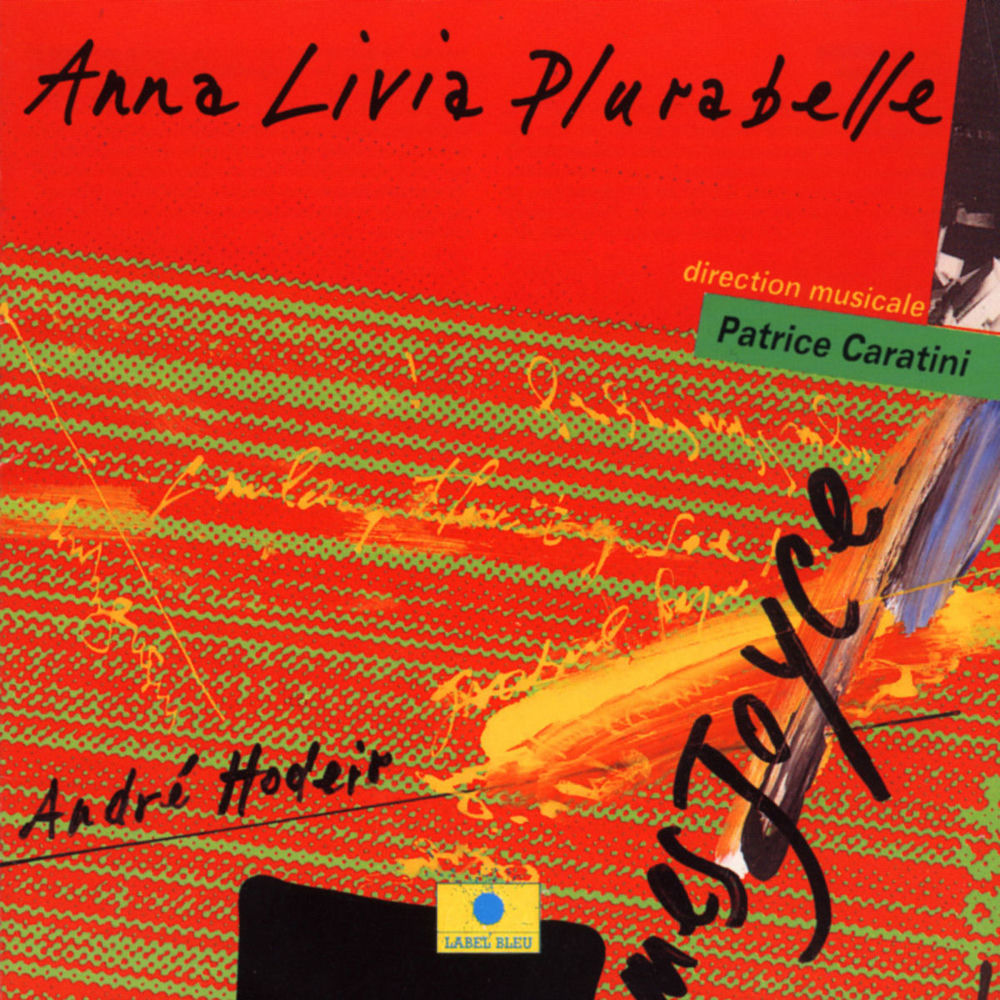
Hodeir's later career saw him delve deeper into third-stream music, composing works like "Anna Livia Plurabelle" (1966) for voice and orchestra, based on James Joyce. He continued to write influential criticism and founded his own label, JMS, in the 1970s to release his evolving projects, which often included electronic elements. His collaborations, though selective, included work with singer Monique Aldebert and pianist René Urtreger, always in service of his precise compositional vision.
For listeners who appreciate the intellectual rigor and avant-garde spirit of André Hodeir, our station network also features artists like The Modern Jazz Quartet who similarly blended jazz with classical forms. Explore the compositional depth of Gil Evans for another master of intricate jazz orchestration. The innovative French jazz scene is further represented by Jean-Luc Ponty, a violinist who also traversed genres. Discover the lyrical piano work of Michel Petrucciani, another French artist with a distinct compositional voice.
The innovative catalog of André Hodeir finds a dedicated audience on specialized radio stations featured here, particularly those focusing on classic jazz history, avant-garde explorations, and third-stream music. His analytical compositions are regularly featured in programming blocks dedicated to the architects of modern European jazz, offering a compelling alternative to the American mainstream of his era.
You can explore the challenging and rewarding world of André Hodeir's music by tuning into the jazz radio stations available on onairium.com. Our curated stations provide the perfect context to experience his theoretical brilliance and avant-garde compositions within the broader spectrum of jazz innovation.