
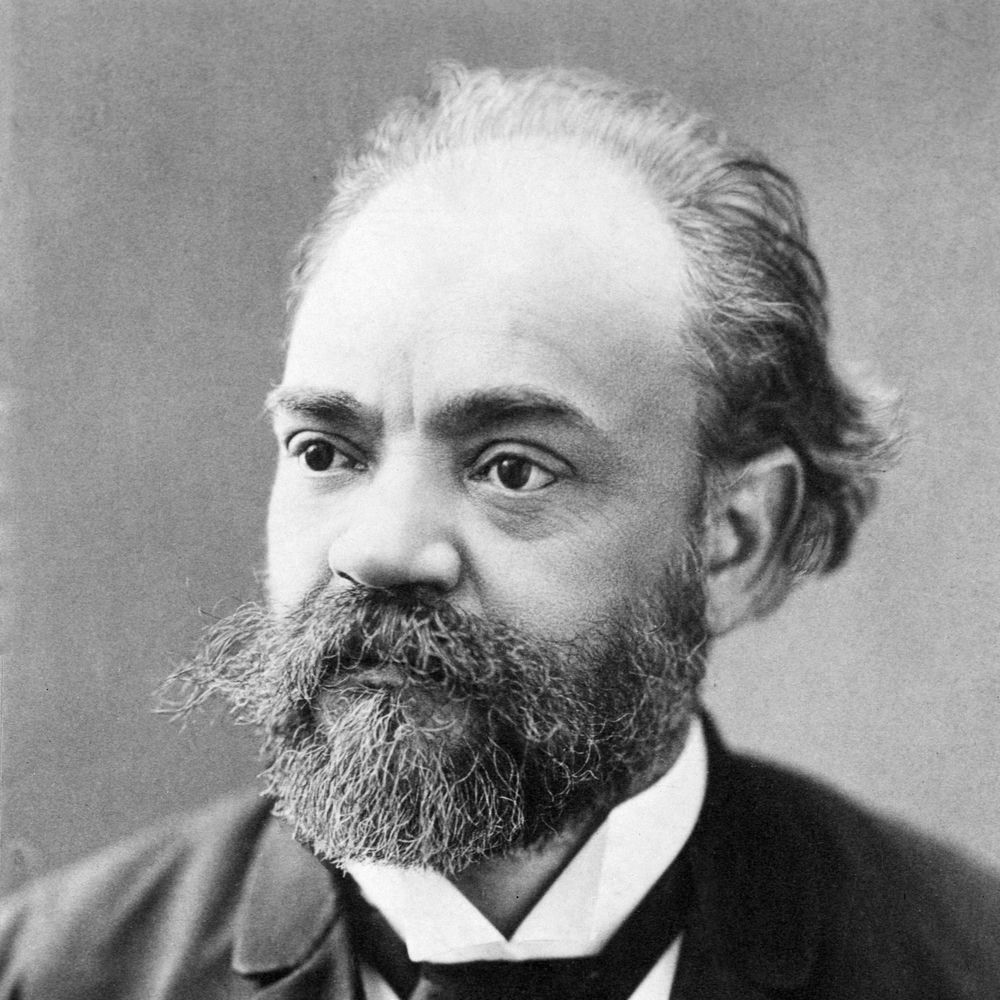
Antonín Dvořák
Listen on radio stations:



Antonín Dvořák: The Czech Master of Romantic Nationalism
Antonín Dvořák was a Czech composer whose works became central to the Romantic classical music repertoire. Hailing from Bohemia, his greatest achievement was successfully integrating folk music influences into large-scale symphonic and chamber works, achieving international acclaim during his lifetime.
Early career
Born in 1841 in Nelahozeves, near Prague, Dvořák's early musical path was not straightforward. He studied organ and composition at the Prague Organ School while supporting himself as a violist in the Bohemian Provisional Theatre Orchestra, where he began composing his first symphonies and string quartets largely in obscurity.
Breakthrough
Dvořák's international breakthrough came in the 1870s, largely through the support of fellow composer Johannes Brahms. Brahms recommended Dvořák to his own publisher, Simrock, who published the highly successful Slavonic Dances in 1878, which captivated audiences with their vibrant Czech rhythms and melodies.
Key tracks
Symphony No. 9 "From the New World" - Composed during his time in America, this 1893 symphony remains his most famous work, blending American spiritual and Native American motifs with Czech musical sensibilities.
Slavonic Dances, Op. 46 - This set of orchestral works, first published in 1878, launched Dvořák to fame across Europe by brilliantly stylizing Czech folk dance forms.
Cello Concerto in B minor - Written in 1895, this concerto is celebrated as one of the supreme masterpieces of the cello repertoire, noted for its lyrical depth and technical demands.
String Quartet No. 12 "American" - Composed in 1893 during his stay in the United States, this chamber work reflects influences from American music he encountered.
Rusalka, Op. 114 - Premiered in 1901, this opera features the famous aria "Song to the Moon" and stands as his most successful stage work.
His growing fame led to invitations abroad, most significantly to the United States where he served as director of the National Conservatory of Music in New York from 1892 to 1895. This period directly inspired some of his most iconic works, including the Symphony No. 9 "From the New World" and the "American" String Quartet. Throughout his career, Dvořák maintained a prolific output across genres, composing nine symphonies, ten operas, numerous concertos, and chamber works, all while championing Czech national identity within music.
Listeners who appreciate the Romantic nationalism of Antonín Dvořák may also enjoy the works of Bedřich Smetana, another foundational Czech composer known for his symphonic poems like "Má vlast". The melodic richness of Pyotr Ilyich Tchaikovsky shares a similar emotional directness and orchestral brilliance. For those drawn to Dvořák's integration of folk themes, the Hungarian-inspired compositions of Zoltán Kodály offer a compelling parallel. The orchestral works of Jean Sibelius also explore national identity through a late-Romantic lens.