Apollo 100
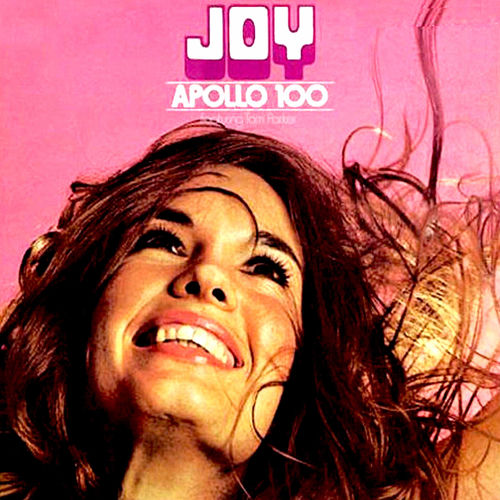
Apollo 100: The Pioneers of Instrumental Pop Rock
Apollo 100 was a British instrumental studio group that achieved international success in the early 1970s with their vibrant, rock-driven reinterpretations of classical melodies. The band's energetic and chart-topping single, a version of Bach's "Jesu, Joy of Man's Desiring," became a defining instrumental hit of the era.
Early career
The group was formed in London in 1971 by arranger, producer, and multi-instrumentalist Tom Parker. Parker assembled a collective of top session musicians, including guitarist Jim Lawless and drummer Clem Cattini, with the specific aim of creating a commercially viable instrumental rock sound.
Their concept focused on adapting well-known classical and traditional themes into a contemporary pop-rock format, a niche that proved instantly marketable. Signed to the Mega label, they quickly recorded and released their debut album in 1972.
Breakthrough
Apollo 100's breakthrough was immediate and spectacular in 1972. Their debut single, a frenetic rock adaptation of Bach's "Jesu, Joy of Man's Desiring" titled Joy, became a surprise international smash.
The track soared to No. 6 on the US Billboard Hot 100 chart and reached the Top 10 in Canada, driving sales of their self-titled debut album. This sudden success cemented their reputation as masters of the instrumental pop-rock genre.
Key tracks
Joy — This rock rendition of Bach's composition was the band's massive breakthrough hit, reaching the Top 10 in the United States.
Mendelssohn's 4th (2nd Movement) — A driving, percussive take on a classical symphony movement that showcased the band's powerful and precise rock arrangement style.
Thus Spake Zarathustra (2001) — Their ambitious and dramatic interpretation of Richard Strauss's theme, capitalizing on its cinematic fame.
Bach's Prelude & Fugue No. 9 in E — Featured on their debut album, this track further demonstrated their formula of translating complex Baroque music into catchy instrumental rock.
Following their initial success, Apollo 100 released a second album, Return to the Classics, later in 1972. While it continued their established formula, the group's moment of peak chart popularity proved to be brief, and they disbanded shortly thereafter. Despite their short career, their signature hit "Joy" has endured on classic rock and nostalgia radio playlists for decades.
Fans of Apollo 100's energetic instrumental rock style may also enjoy the work of similar artists from the same era. Vanilla Fudge shared a passion for dramatic, rock-oriented rearrangements of familiar music. The Spotnicks were another influential European instrumental group with a strong rock and roll foundation. The Ventures defined instrumental rock guitar for a generation and inspired countless groups. Sky later explored a similar fusion of classical themes and rock instrumentation in the UK.
The music of Apollo 100 maintains a regular presence on radio stations featured on this website, particularly on classic rock FM stations and dedicated 1970s hits channels. Their iconic single "Joy" is a staple track that exemplifies the playful and inventive spirit of early '70s instrumental pop rock.
Listeners can discover the dynamic instrumentals of Apollo 100 on radio stations available on onairium.com, where their classic hit continues to captivate audiences with its unique blend of Baroque grandeur and rock and roll energy.