


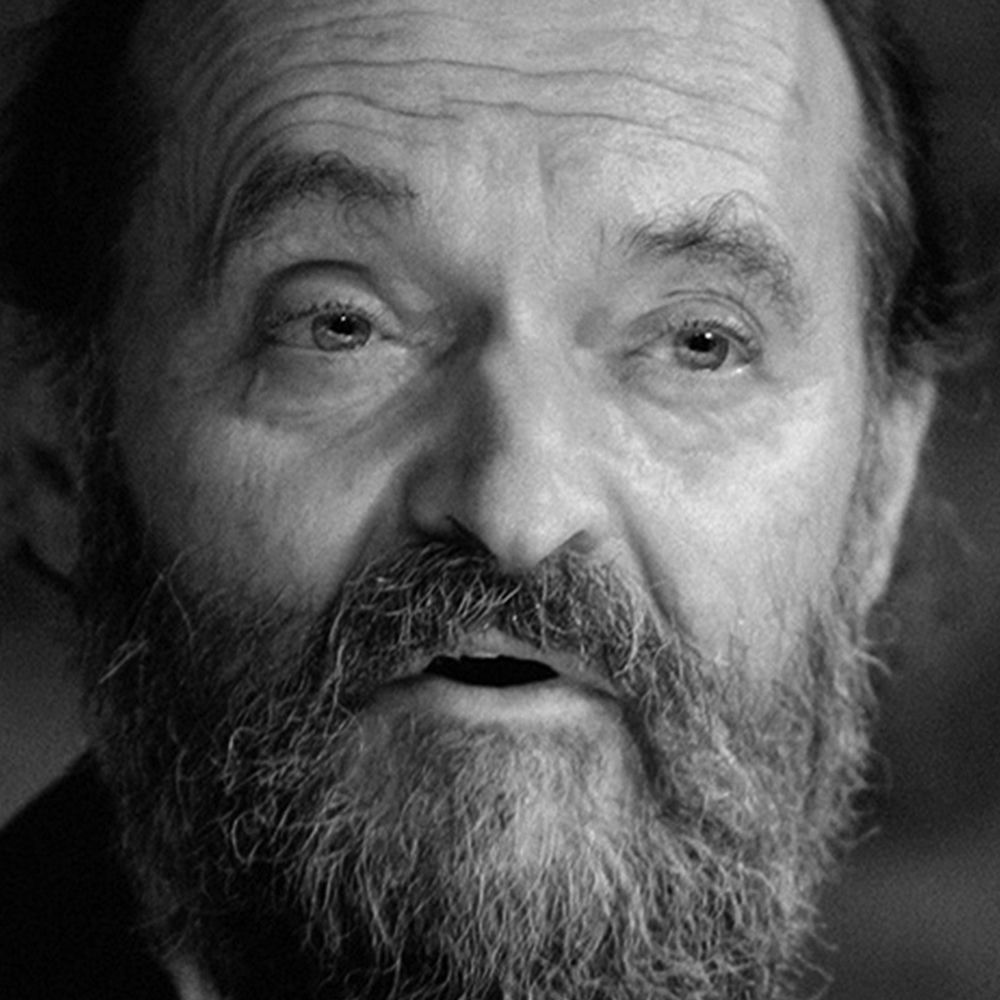


Arvo Pärt: The Estonian Master of Sacred Minimalism
Arvo Pärt is an Estonian composer whose unique musical language, known as tintinnabuli, has captivated audiences worldwide. From his origins in Soviet-era Estonia, Pärt has become one of the most performed living composers, with his album Alina selling over 100,000 copies and his works achieving millions of streams and radio plays globally.
Early career
Born in 1935 in Paide, Estonia, Arvo Pärt began his compositional career under the restrictive cultural policies of the Soviet Union. His early works, like the 1960 orchestral piece Nekrolog, experimented with serialism and collage techniques, leading to official criticism and a creative crisis that prompted a profound stylistic shift.
Breakthrough
Pärt's international breakthrough came after his emigration from the USSR in 1980. His pivotal 1984 album Tabula Rasa, released on the influential ECM Records label, introduced his new tintinnabuli style to a global audience. This album, featuring the title track and Fratres, became a landmark in contemporary classical music and established his signature sound.
Key tracks
Spiegel im Spiegel — This 1978 piece for violin and piano is perhaps his most recognizable work, used extensively in film and television for its serene, timeless quality.
Fratres — First written in 1977, this exists in over twenty versions and showcases the flexible, haunting architecture of his tintinnabuli technique.
Tabula Rasa — The 1977 double concerto gave its name to his breakthrough ECM album and is a cornerstone of the minimalist and sacred music repertoire.
Cantus in Memoriam Benjamin Britten — Composed in 1977, this piece for string orchestra and bell is a powerful, mournful processional that solidified his new direction.
Berliner Messe — This 1990 setting of the Mass for choir and organ demonstrates his deep engagement with sacred texts and liturgical music.
Throughout the 1990s and 2000s, Arvo Pärt's output was prolific, with major works like the St. John Passion (1982) and the Symphony No. 4, "Los Angeles" (2008), commissioned by the Los Angeles Philharmonic. His long-standing partnership with ECM Records has resulted in a definitive discography, and his music is frequently recorded by leading ensembles, from the Hilliard Ensemble to the Berlin Philharmonic. Despite few traditional "chart" entries, his albums consistently achieve classical chart success and critical acclaim, with a vast catalog published by Universal Edition.
Listeners who connect with Arvo Pärt's meditative sound often explore the work of similar composers. John Tavener shared a deep commitment to spiritual themes and a similarly expansive, contemplative sound. Henryk Górecki achieved crossover success with his Symphony of Sorrowful Songs, another pillar of sacred minimalism. Giya Kancheli created powerfully dramatic and spiritual soundscapes from his Georgian background. Hildegard von Bingen, though from a vastly different era, provides a historical anchor for devotional and monodic vocal music.
The profound compositions of Arvo Pärt are a staple on dedicated classical music and ambient radio stations, including specialized programs focusing on contemporary classical and sacred music. His work provides a centerpiece for stations that curate calm, reflective, and spiritually resonant listening experiences, making him a frequent presence on the airwaves.
You can experience the transformative music of Arvo Pärt by tuning into the classical and contemplative radio stations featured on onairium.com. Discover the depth of his catalog and the timeless quality of his tintinnabuli style through our curated selection of online radio streams.


