

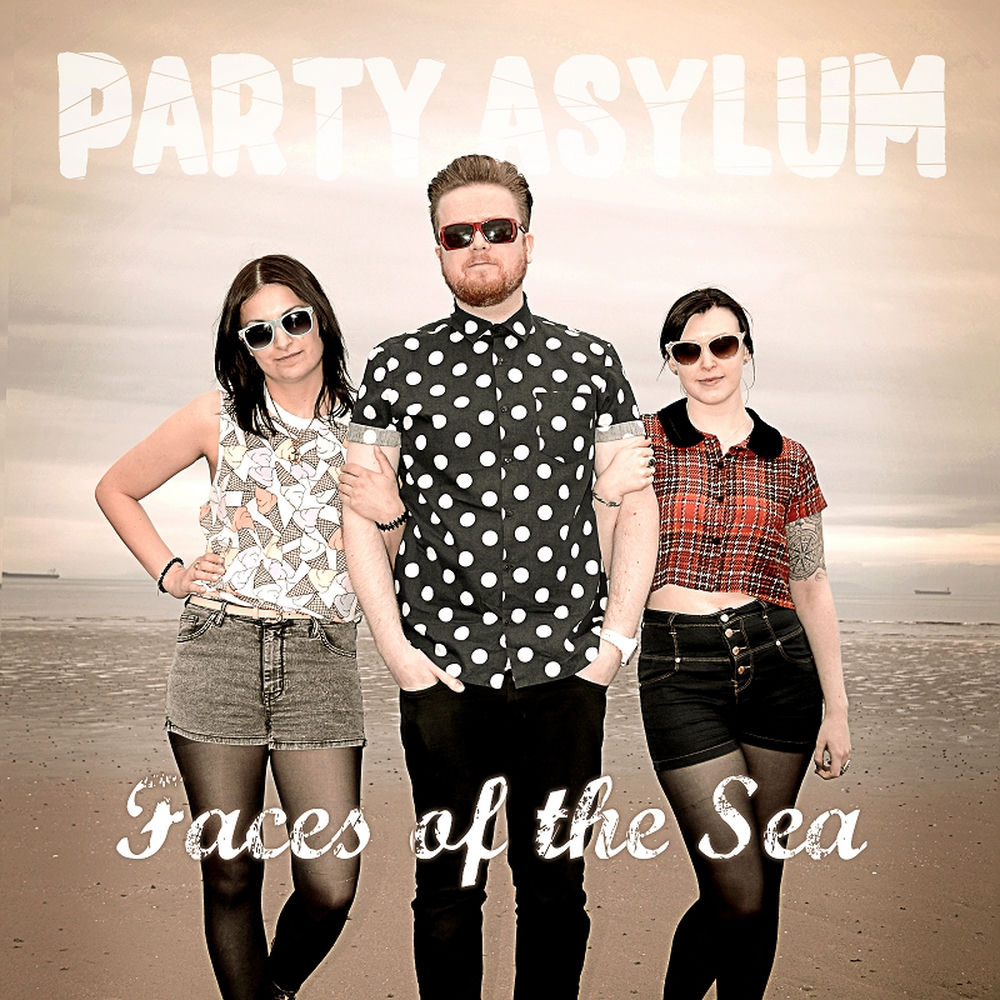
Asylum Party
 France
Listen Asylum Party on radio stations:
Asylum Party: French Pioneers of Gothic Rock and Post-Punk
Asylum Party was a French musical group active in the late 1980s and early 1990s, recognized as a seminal act within the European coldwave and post-punk scene. Hailing from the northern French town of Lille, the band crafted a distinctively melancholic and atmospheric sound that garnered a dedicated cult following, particularly in Europe and South America, despite achieving limited commercial success during their initial run.
Early Career
Formed in Lille, France, in 1985, Asylum Party emerged from the same fertile French post-punk landscape that produced groups like Little Nemo and Opera Multi Steel. The core lineup consisted of Thierry Sobézyk on vocals and guitar, Philippe Planchon on bass, and Jean-Michel Rameau on drums. Their early sound was deeply rooted in the somber, minimalist aesthetics of British post-punk, drawing clear inspiration from bands like The Cure and Joy Division, which they filtered through a distinctly French lyrical and melodic sensibility.
Breakthrough
The band's breakthrough within the underground scene came with the release of their debut album, "Borderline," in 1989 on the Swiss-based label Off Course Records. This album, along with the preceding "Picture One" EP from 1987, defined their signature style: crisp, rhythmic drum machines, shimmering and chorus-laden guitars, throbbing basslines, and Sobézyk's detached, deeply introspective vocal delivery. While never charting on mainstream platforms, "Borderline" and its 1990 follow-up, "The Flowers Die," became foundational texts for fans of the dark, romantic side of post-punk, circulating widely through tape trading and specialized independent record stores.
Key Tracks
Julia - This track from the "Picture One" EP is often considered their archetypal song, encapsulating their early sound of driving bass and wistful, echoing guitar lines.
The Wind Will Blow - A standout from the "Borderline" album, it showcases the band's ability to craft a haunting and memorable melody within a stark, rhythmic framework.
Play Alone - This song exemplifies the band's later, more polished production and deeper plunge into melancholic atmospheres found on their second album.
After "The Flowers Die," Asylum Party disbanded in 1991, leaving behind a concise but influential discography. Their reputation grew steadily in the ensuing decades, leading to reissues of their work and a rediscovery by new generations of listeners drawn to darkwave and post-punk. The band's legacy is that of a pure, uncommercialized expression of 1980s European dark music, whose recordings have retained their emotional resonance and stylistic clarity.
Fans of Asylum Party's brand of French gothic rock often appreciate the work of similar artists from the same era and genre. The melancholic melodies and rhythmic foundations of Little Nemo share a common Parisian post-punk heritage. The introspective and atmospheric songwriting of Opera Multi Steel explores similar thematic and sonic territories. The stark, minimalistic approach of Martin Dupont provides another key reference point in the French coldwave scene.
