
Ataraxia: The Italian Pioneers of Neoclassical Darkwave
Ataraxia is an Italian musical ensemble that has carved a profound niche in the neoclassical and darkwave genres since the late 1980s. Hailing from the Emilia-Romagna region, the group is celebrated for its extensive and eclectic discography, which blends historical themes with ethereal soundscapes and has garnered a dedicated international following.
Early career
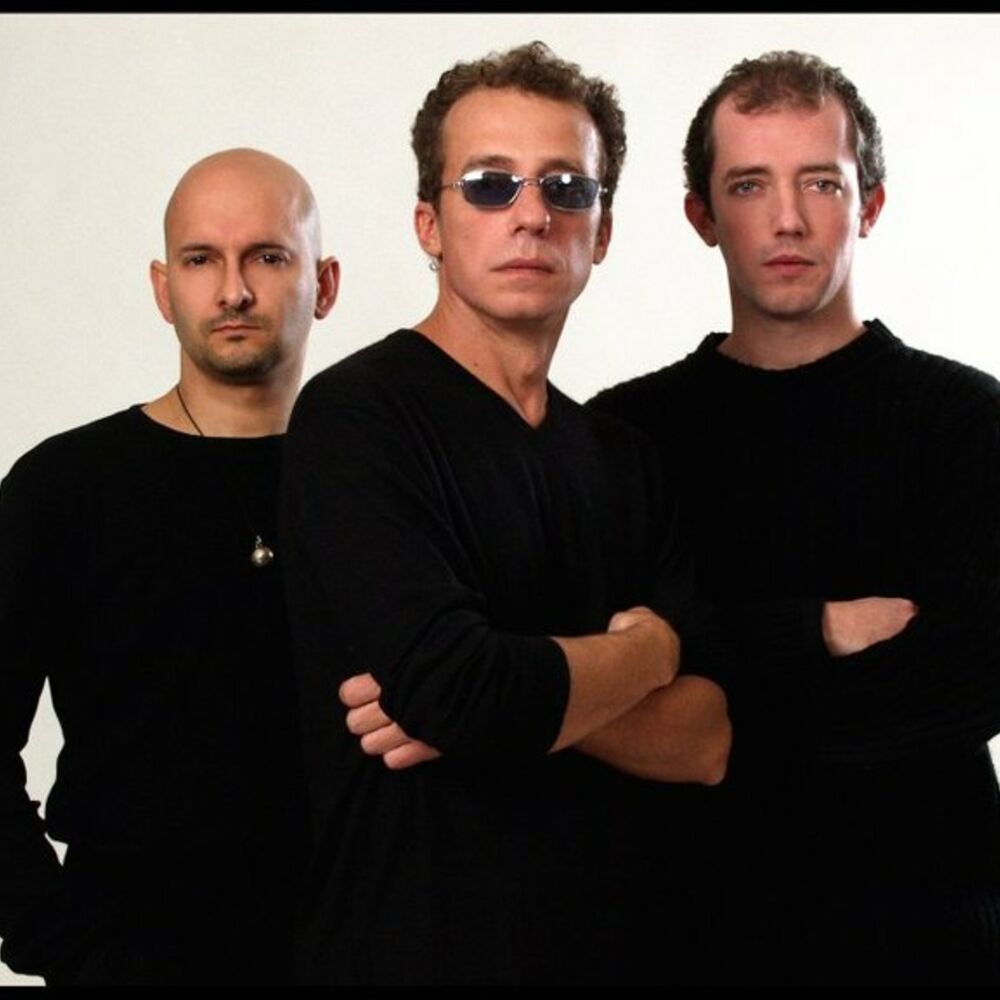
Ataraxia was formed in 1985 by Francesca Nicoli, Giovanni Pagliari, and Vittorio Vandelli. The group's early work was deeply experimental, rooted in the post-punk and early gothic rock scenes of Italy. Their initial self-produced tapes, such as 1990's "Nosce Te Ipsum," laid the groundwork for their signature fusion of ancient languages, classical instrumentation, and atmospheric electronics.
Breakthrough
The band's artistic and commercial breakthrough arrived in the mid-1990s with a series of pivotal releases on the German label Hyperium Records, a key player in the "Heavenly Voices" ethereal wave movement. Albums like 1995's "Simphonia Sine Nomine" and 1996's "Il Fantasma Dell'Opera" established Ataraxia's reputation across Europe, leading to extensive touring and a solidified presence in the alternative music underground.
Key tracks
Historiae — This epic track from "Simphonia Sine Nomine" encapsulates their early sound, weaving medieval melodies with poetic narration in multiple languages.
Mon Seul Désir — A fan favorite from the "Lost Atlantis" era, showcasing their ability to craft hauntingly beautiful and cinematic darkwave ballads.
Concerto N.6 in Sol Min. — Demonstrates their neoclassical rigor, often performed live with period instruments and elaborate costumes.
Sirius — A later work from the "Paris Spleen" album that highlights their evolving, more refined studio production and thematic depth.
The following decades saw Ataraxia release a prolific stream of albums on labels like Prikosnovénie and their own label, Ataraxia Codex. Their work expanded to include soundtracks for theater and film, as well as conceptual albums exploring specific historical periods, from Renaissance Italy to ancient Greece. Live performances became immersive experiences, often held in castles, churches, and archaeological sites, further cementing their unique artistic identity.
Fans of Ataraxia's mystical and historically-informed approach may also appreciate the work of Dead Can Dance, who similarly blend world music and neoclassical elements. The Italian darkwave scene also offers parallels with Camerata Mediolanense, known for their martial and medieval influences. For the ethereal vocal style, listeners might explore Stoa, another key act from the Hyperium Records roster. The dramatic, orchestral side of the genre is further explored by Dark Sanctuary from France.
Ataraxia's distinctive catalog holds a regular place in the rotations of dedicated online radio streams and independent music radio stations specializing in gothic, neoclassical, and ethereal wave genres. Their atmospheric compositions are a staple on programs that cater to listeners seeking music beyond the mainstream, from dedicated darkwave shows to broader eclectic alternative formats.
The music of Ataraxia can be heard on various radio stations featured on our website. Listeners can discover the rich, historical tapestries woven by this Italian ensemble through the curated neoclassical and darkwave radio stations available on onairium.com.