Aurlus Mabele Tb
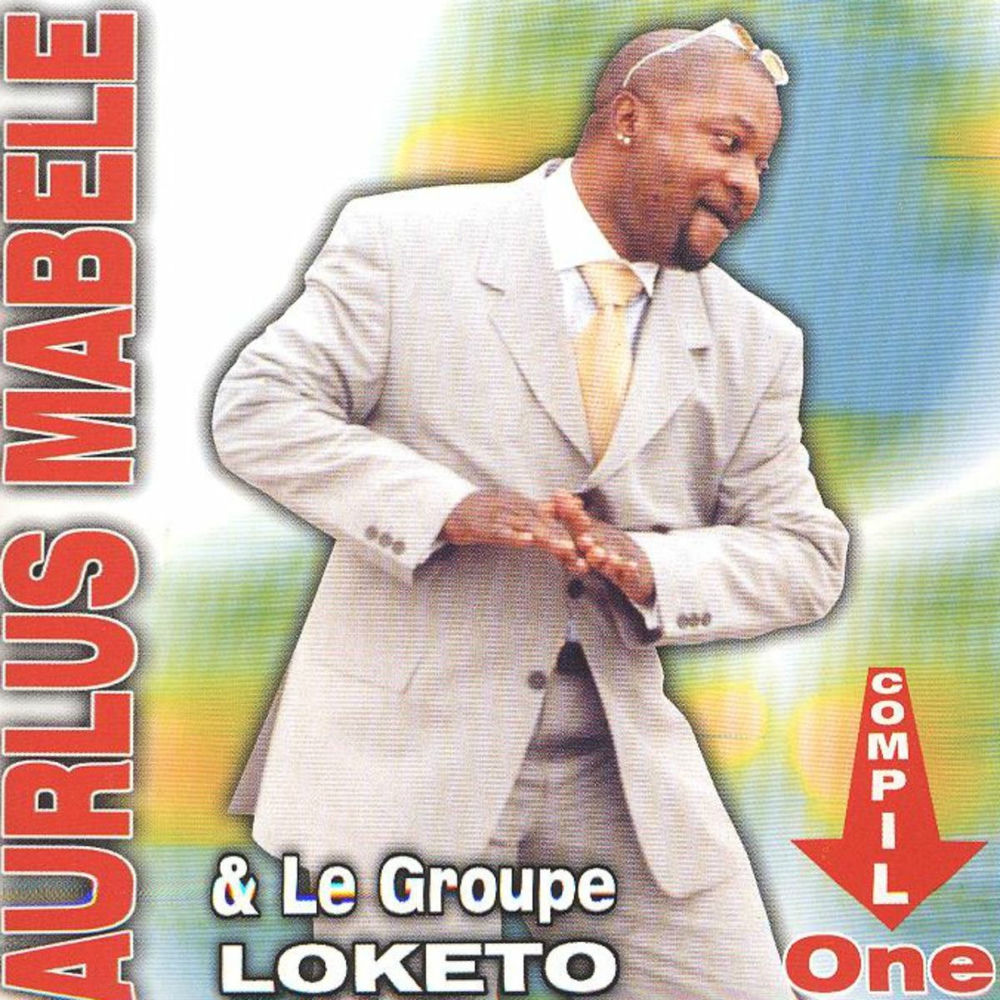
Aurlus Mabele Tb: The Electrifying King of Soukous
Aurlus Mabele Tb was a Congolese singer and a central architect of the high-energy soukous sound that dominated African dancefloors for decades. Hailing from the Republic of the Congo, his prolific career, marked by relentless touring and a vast catalog of hits, cemented his status as a legend of modern African music.
Early career
Born Aurélius Mabelé in 1953 in Brazzaville, he began his musical journey in church choirs before forming his first band, Les Ndimbola Lokole, in the early 1970s. His powerful, raspy voice and dynamic stage presence quickly set him apart, leading to collaborations within the vibrant Congolese music scene in both Brazzaville and Kinshasa.
Breakthrough
Mabele's career exploded in the 1980s after moving to Paris, the European hub for African music. There, he co-founded the seminal group Loketo with guitarist Diblo Dibala. Their 1989 album Extra Ball, released on the popular Afric'Music label, was a continental smash, defining the fast-paced, guitar-driven soukous style that became known as "the locomotive."
Key tracks
Extra Ball — The title track from the breakthrough album became an anthem, its infectious rhythm and call-and-response vocals igniting dance halls across Africa and Europe.
Mado — This track exemplifies the perfect synergy between Mabele's commanding vocals and Diblo Dibala's blistering, melodic guitar solos.
Malinga — A later solo hit that proved his enduring hit-making power, maintaining the energetic soukous formula that fans adored.
Embargo — Another classic from the Loketo era, showcasing the tight, dance-oriented arrangements that made the group a live phenomenon.
Following the success with Loketo, Aurlus Mabele embarked on a successful solo career, releasing albums like 1993's L'Argent Appelle L'Argent and touring internationally for years. He collaborated with a who's who of soukous, including vocalist Suzanna Lubrano and guitarist Rigo Star, constantly refining his sound. His music, often pressing thousands of copies for the African market, achieved significant commercial success, though specific Western chart positions and certifications were less documented.
Artists exploring a similar vein of energetic, guitar-led Congolese dance music include Kanda Bongo Man, who pioneered the faster soukous style in Europe. Papa Wemba was another colossal figure who blended soukous with other genres and fashion. Werra Sonn carries the modern torch for the kinetic soukous sound. Bozi Bozi also represents the vibrant, dance-focused wing of the Congolese music scene.
His vibrant soukous catalog remains a staple on pan-African radio stations, international world music programs, and dedicated online streams focusing on African classics. Stations specializing in African rhythms and historic dance music regularly feature his tracks to energize their playlists.
The electrifying music of Aurlus Mabele Tb, a cornerstone of the soukous genre, can be heard on radio stations featured on our website. Listeners can discover his iconic hits and dance anthems through the various international and African music radio stations available on onairium.com.