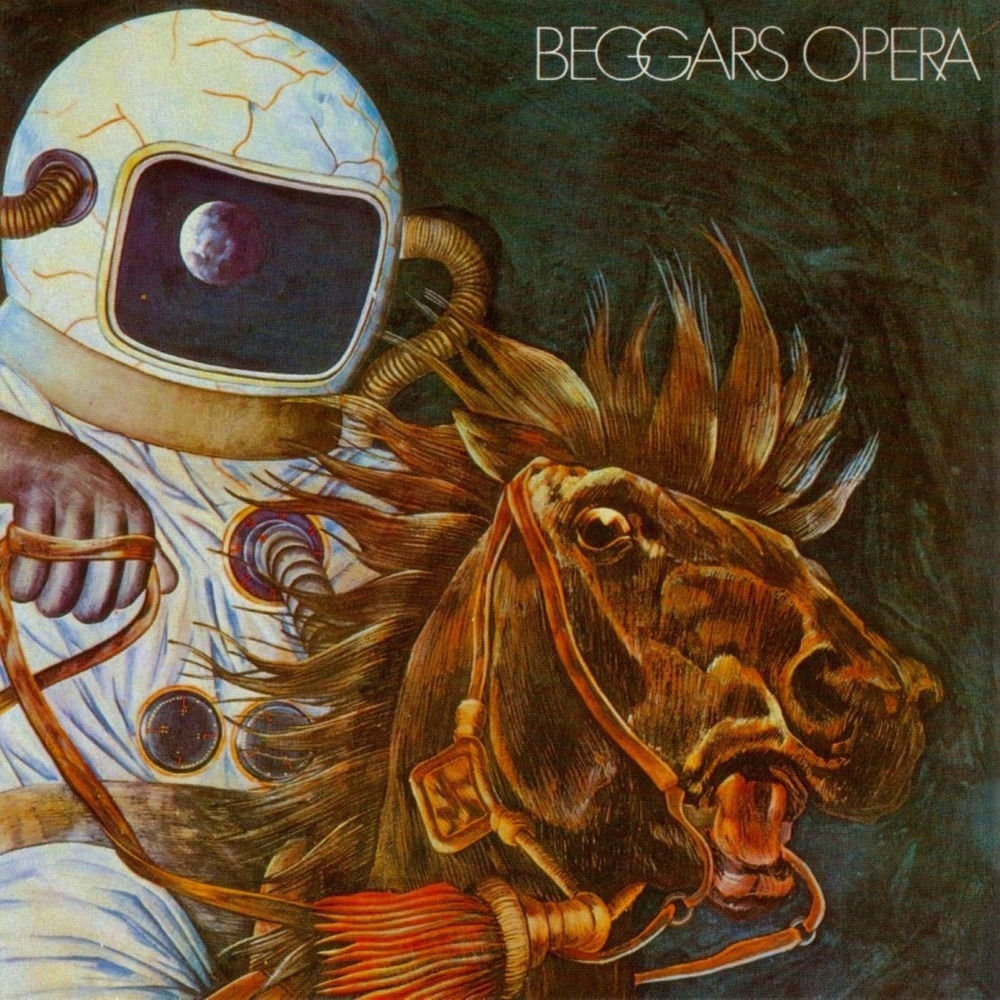
Beggars Opera
Listen on radio stations:


Beggars Opera: Scotland's Pioneers of Progressive Rock
Beggars Opera was a Scottish rock band that carved a distinct niche in the early 1970s progressive rock scene. Hailing from Glasgow, the group is best known for blending classical music themes with hard rock energy, particularly on their early albums for the Vertigo label.
Early career
Formed in Glasgow in 1969, the original lineup featured guitarist Ricky Gardiner, vocalist Martin Griffiths, and keyboardist Alan Park. The band's name was inspired by the John Gay ballad opera, hinting at their theatrical and classically-inclined ambitions from the outset. They quickly developed a sound that incorporated complex arrangements and Mellotron-driven melodies, securing a recording contract with the progressive-focused Vertigo label.
Breakthrough
The band's breakthrough arrived with their 1970 debut album, Act One. This release established their signature style of reinterpreting classical pieces, most notably on the track Raymond's Road. The album's success was rooted in the UK and German markets, where their symphonic prog found a dedicated audience, leading to further albums on Vertigo.
Key tracks
Raymond's Road - This instrumental from their debut is a prime example of their early style, transforming a classical suite into a dynamic rock piece.
Sarabande - A standout track that showcases their blend of Baroque-inspired melodies with the power of a rock rhythm section.
Think - From the 1972 album Pathfinder, this song illustrates the band's move towards shorter, more direct song structures while retaining progressive elements.
Following their initial Vertigo period, Beggars Opera's sound evolved through the mid-1970s. The band experienced several lineup changes and began incorporating more boogie rock and straightforward hard rock influences into their music on albums like 1972's Waters of Change. This shift reflected broader trends in the rock scene but maintained their core instrumental prowess.
While never achieving mass commercial success, Beggars Opera built a solid reputation within the European rock circuit. Their recorded output and live performances secured their legacy as one of Scotland's notable contributions to the progressive rock genre, influencing subsequent bands exploring the intersection of classical and rock music.
Fans of Beggars Opera often appreciate the work of similar artists from the UK progressive scene. The Nice also expertly fused classical music with rock instrumentation. Atomic Rooster shared a similar blend of heavy organ-driven rock and progressive tendencies. Curved Air explored a comparable symphonic rock territory with strong classical influences. Gentle Giant operated in a more complex, avant-garde wing of the same progressive rock movement.
Similar artists