Benjamin Britten
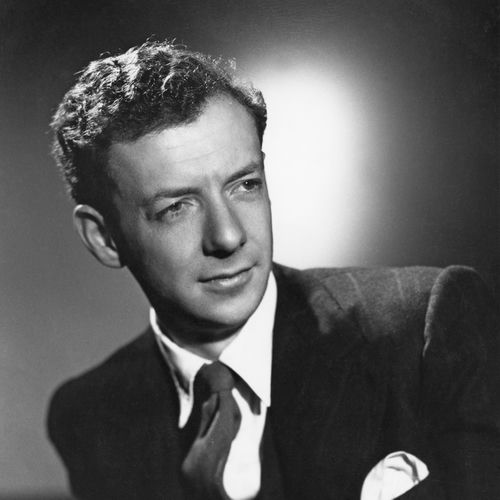
Benjamin Britten: The Master of 20th Century British Classical Music
Benjamin Britten was a preeminent English composer, conductor, and pianist whose work defined British classical music for decades. Hailing from Suffolk, his enduring legacy is anchored by his extensive operatic output, most notably the masterpiece Peter Grimes, which revitalized English opera and continues to be performed globally.
Early career
Born in Lowestoft in 1913, Britten displayed prodigious talent from an early age, composing prolifically as a child. His formal studies at the Royal College of Music and early work with the GPO Film Unit honed his craft, leading to his first major compositions like the Variations on a Theme of Frank Bridge in 1937, which brought him international attention.
Breakthrough
Britten's true breakthrough arrived in 1945 with the premiere of his opera Peter Grimes at Sadler's Wells Theatre. The work was a sensational critical and popular success, establishing him as the leading composer of his generation and marking the rebirth of British opera. Its success was immediate, securing countless performances and solidifying his reputation.
Key tracks
Peter Grimes — This groundbreaking 1945 opera is Britten's most famous work, a dramatic tour de force that restored England's place on the operatic world stage.
The Young Person's Guide to the Orchestra — Composed in 1946, this inventive piece remains a quintessential introduction to orchestral instruments for audiences worldwide.
War Requiem — This monumental 1962 choral work, written for the consecration of Coventry Cathedral, is a powerful anti-war statement and a pinnacle of 20th-century sacred music.
Serenade for Tenor, Horn and Strings — This 1943 song cycle showcases Britten's genius for vocal writing and atmospheric instrumental color, becoming a staple of the tenor repertoire.
Four Sea Interludes from Peter Grimes — These orchestral excerpts are concert hall favorites, brilliantly evoking the mood of the Suffolk coast and the opera's dramatic tension.
Throughout his career, Britten worked closely with his partner, tenor Peter Pears, and founded the Aldeburgh Festival in 1948, which became a central hub for his music and new works by others. He composed across all genres, from chamber music like the String Quartets to large-scale works for the Royal Opera House, and recorded extensively for the Decca label, building a definitive catalog. His collaborations extended to artists like cellist Mstislav Rostropovich, for whom he wrote his seminal Cello Suites and Cello Symphony.
For listeners captivated by Britten's distinctly English yet universally powerful voice, explore the works of similar composers. Ralph Vaughan Williams shares a deep connection to English folk melody and landscape. Michael Tippett offers another visionary and complex 20th-century British operatic and symphonic style. Henry Purcell represents the Baroque genius whose mastery of English word-setting profoundly influenced Britten. John Tavener continues a later generation's exploration of spiritual and choral music in a British context.
Britten's compositions remain a cornerstone of classical radio programming. His music is featured daily on dedicated classical FM stations, symphonic broadcast channels, and online radio streams specializing in 20th-century masterworks and operatic repertoire.
The music of Benjamin Britten, a giant of British classical composition, can be heard regularly on the curated radio stations featured on our website. Listeners can discover his operatic brilliance and orchestral works by tuning into the classical stations available on onairium.com.