
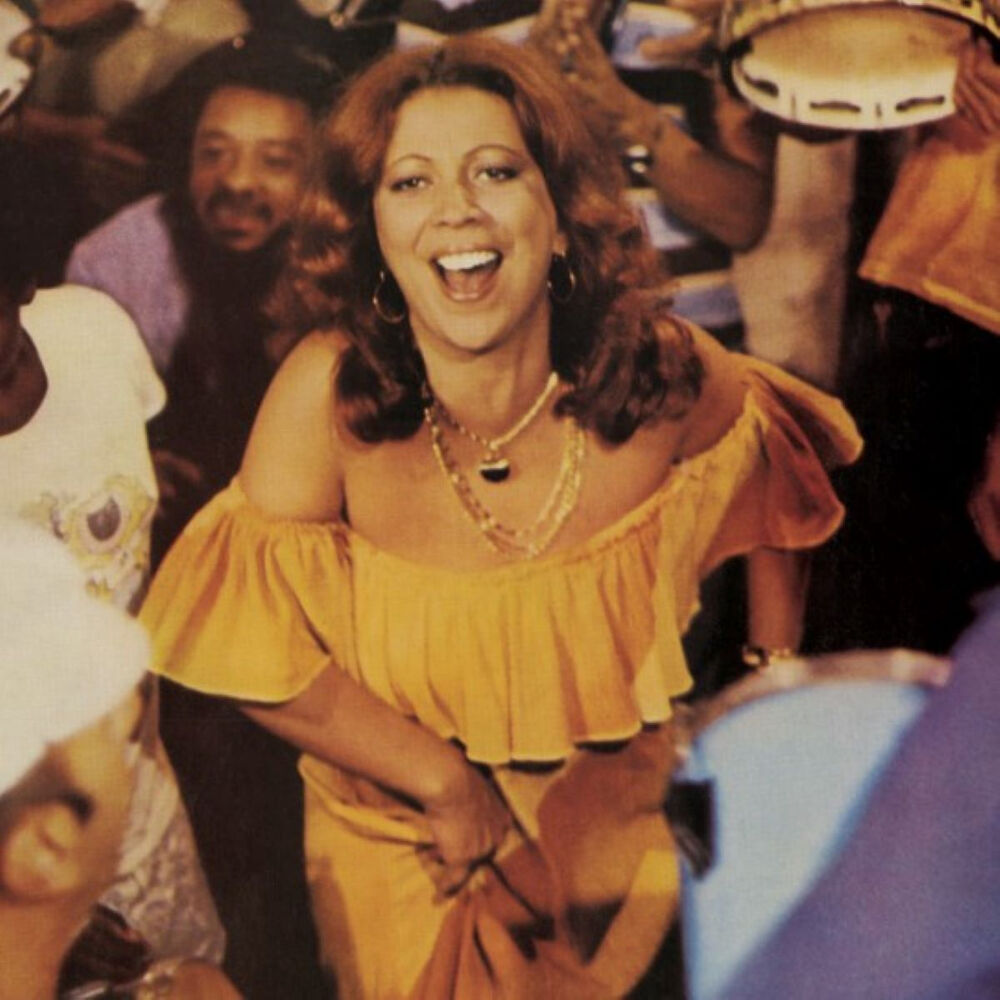
Beth Carvalho
Listen Beth Carvalho on radio stations:

Beth Carvalho: The Queen of Samba
Beth Carvalho was a Brazilian singer, guitarist, and composer who became one of the most important figures in the history of samba. Hailing from Rio de Janeiro, her career was defined by a deep commitment to the roots of the genre and her pivotal role in championing the musicians of the favelas.
Early Career
Born in 1946 in Rio de Janeiro, Elizabeth Santos Carvalho began her musical journey influenced by bossa nova. She started her professional career in the mid-1960s, performing in festivals and releasing her first single in 1965. Her early albums, such as 1968's "Beth Carvalho, um novo som," initially leaned towards this style before she found her true calling.
Breakthrough
Beth Carvalho's artistic breakthrough came in the 1970s when she fully embraced traditional samba, particularly the samba de raiz (roots samba) and the samba from the hillside communities. This shift aligned her with the burgeoning movement of samba schools and community musicians, establishing her as a vital cultural voice. Her 1978 album "Pandeiro e Viola" is often cited as a landmark that solidified her authentic samba identity and connection to the genre's grassroots.
Key Tracks
Vou Festejar - This joyful and iconic samba anthem became one of her signature songs, celebrated for its infectious energy and perfect representation of samba party spirit.
Coisinha do Pai - A classic samba that showcases her warm vocal delivery and deep, respectful connection to the traditional samba songbook.
Cacaria - This track exemplifies her role in bringing the work of samba composers from the morros (hillside communities) to a wider national audience.
Throughout her decades-long career, Beth Carvalho became known as the "Godmother of Samba," a title earned by her unwavering dedication to preserving and promoting the genre's traditions. She was instrumental in discovering and launching the careers of countless samba musicians and groups, including Zeca Pagodinho and Grupo Fundo de Quintal, effectively shaping the sound of 1980s pagode. Her discography is vast, encompassing dozens of albums that chronicle the evolution of samba while steadfastly honoring its roots.
Listeners who appreciate the authentic sound of Beth Carvalho often enjoy the works of other foundational Brazilian samba artists. Zeca Pagodinho is a major samba star she helped discover. Alcione is another powerful vocalist known as another "Queen of Samba." The ensemble Fundo de Quintal, which she championed, revolutionized samba with new instruments. For the roots of the genre, the legendary Cartola remains an essential listen for his poetic compositions.
Beth Carvalho's music remains a cornerstone of Brazilian popular culture. Her legacy is that of a guardian of samba's history and a powerful channel for its most authentic voices.
