Bettina Wegner
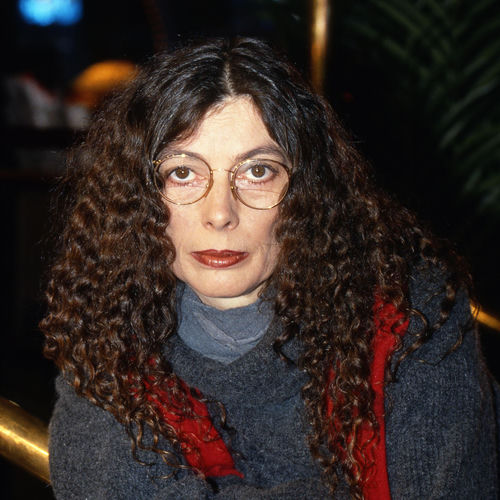
Bettina Wegner: The Defiant Voice of East German Chanson
Bettina Wegner is a seminal German singer-songwriter and poet whose poignant, politically charged work defined the Liedermacher scene in the former German Democratic Republic. Hailing from East Berlin, her career is marked not by commercial chart success but by profound cultural impact, with her 1974 album Bettina Wegner becoming a touchstone of dissident art behind the Iron Curtain.
Early career
Born in 1947 in West Berlin, Wegner moved with her family to the Eastern sector as a child. Her artistic path began in poetry and political song within the East Berlin literary scene, leading to her involvement with the Hootenanny Club at the Akademie der Künste. Her first official recording was a 1967 EP with the Oktoberklub, but her increasingly critical lyrics soon brought her into conflict with the GDR's cultural authorities.
Breakthrough
Wegner's breakthrough came with the 1974 release of her self-titled debut album on the state-owned Amiga label. The record, a collection of deeply personal and subtly subversive chansons, resonated powerfully with an East German audience yearning for authentic expression. While not achieving gold status in the West, the album and its lead single achieved legendary "underground" status, circulating widely despite official ambivalence and leading to increasing surveillance and performance bans.
Key tracks
Kinder — This haunting 1978 ballad, a plea for peace, became her most famous song internationally and a staple of peace movements.
Sind so kleine Hände — Another profound peace song from the same period, it further cemented her reputation as a voice of conscience.
Wir stehen vor einem großen Geheimnis — A quintessential example of her poetic, introspective style that connected deeply with listeners in the GDR.
Heute hier, morgen dort — Though originally by Hannes Wader, her definitive 1974 cover version became synonymous with her own transient, scrutinized existence.
Following her expatriation from the GDR in 1983, Wegner continued to write and perform in West Berlin and across West Germany. She released albums like Von Liebe wird selten Geredet (1984) and collaborated with artists such as West German Liedermacher Konstantin Wecker, maintaining her distinctive blend of melodic clarity and lyrical depth while addressing new themes. Her post-reunification work, including the 1999 album Mein Name ist Mensch, reflects on the past with undiminished poetic force.
Fans of Bettina Wegner's brand of lyrical, politically engaged German songwriting should also explore Wolf Biermann. His expatriation from the GDR was a pivotal event that shaped Wegner's own path. The poignant storytelling of Hannes Wader shares a similar folk-chanson foundation and social commitment. For a West German perspective within the genre, the work of Franz Josef Degenhardt offers comparable sharp wit and narrative songcraft.
Bettina Wegner's music remains a vital part of the rotation on specialist radio stations, particularly those dedicated to German-language singer-songwriters, historical political music, and the cultural legacy of 20th-century Europe. Her songs are featured on curated programs across online radio streams and public broadcasting channels that explore music with a narrative and social dimension.
Listeners can discover the enduring power of Bettina Wegner's chanson and Liedermacher catalog on radio stations featured here on onairium.com, where her iconic songs continue to be played for new generations seeking music of substance and historical resonance.