

Betty Harris: The Soul and Rock Pioneer
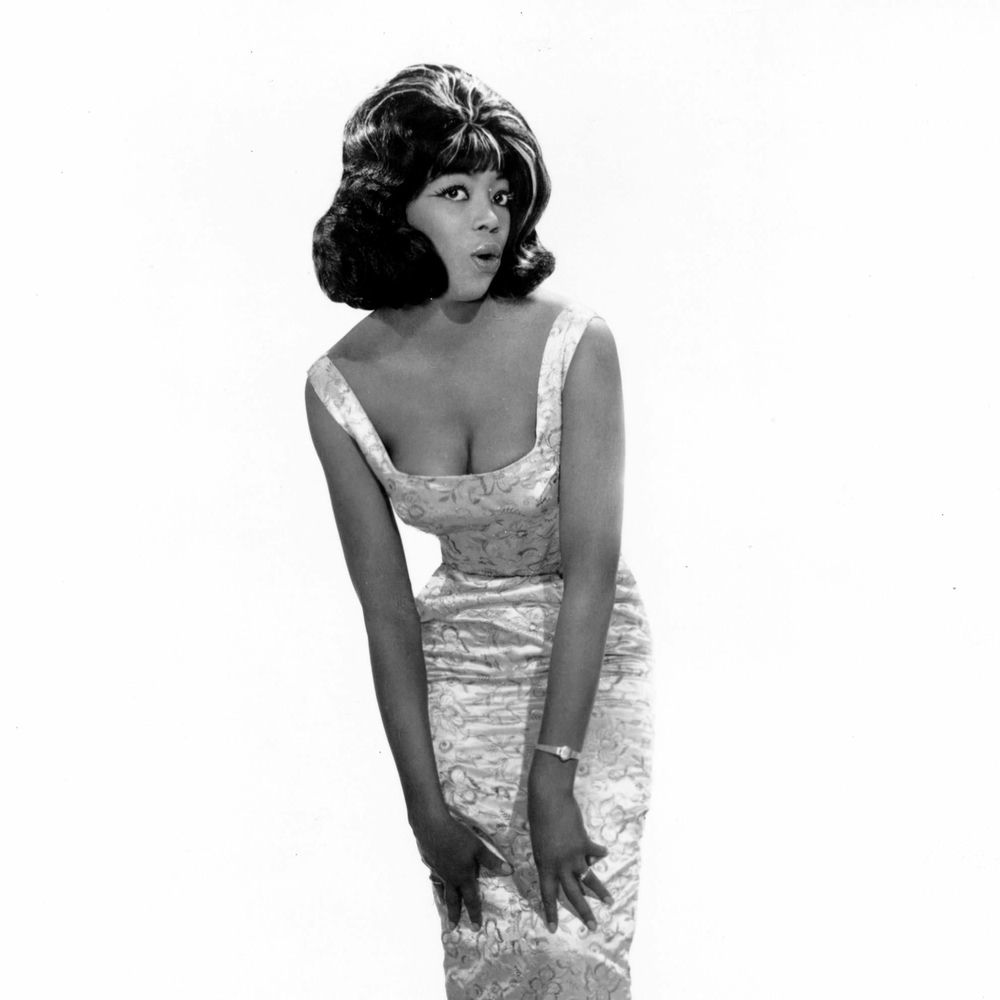
Betty Harris is an American soul singer whose powerful voice and emotive delivery made her a standout figure in the 1960s. Though her commercial success was selective, her recordings for the Jubilee and Sansu labels have earned her a lasting reputation among soul aficionados.
Early career
Betty Harris began her professional journey in the early 1960s, signing with the New York-based Jubilee Records. Her initial releases, including the single "Cry to Me" in 1963, showcased a raw, gospel-inflected style that hinted at her deep soul potential, though widespread recognition was still ahead.
Breakthrough
Harris's career found its definitive direction after relocating to New Orleans and linking with producer and songwriter Allen Toussaint. Working through his Sansu Enterprises partnership with Marshall Sehorn, she recorded a series of seminal sides that perfectly blended Southern soul with the city's distinctive rhythmic groove, cementing her legacy in the genre.
Key tracks
Cry to Me - Her 1963 debut for Jubilee established her formidable vocal power and emotional depth, setting the stage for her later work.
I'm Evil Tonight - This 1967 Sansu single is a prime example of her commanding, assertive style over a driving New Orleans rhythm.
Nearer to You - A haunting and beautiful ballad penned by Allen Toussaint, it remains one of her most beloved and definitive recordings.
12 Red Roses - This track highlights the sophisticated, pop-leaning side of her collaboration with Toussaint's production team.
There's a Break in the Road - Later covered by many artists, Harris's 1969 version is a masterclass in soulful resilience and delivery.
After her prolific period in the late 1960s, Betty Harris stepped away from the music industry for many years. Her influence, however, endured, leading to a rediscovery by soul collectors and a well-received return to performing in the 2000s, where she was celebrated as a vital link to the golden age of deep soul.
Fans of Betty Harris's blend of gritty soul and rock-influenced energy may also appreciate the work of Irma Thomas, another cornerstone of New Orleans soul. The raw power of Ann Peebles shares a similar emotional directness. For the songwriting and production style of Allen Toussaint, explore the catalog of Lee Dorsey. The dynamic sound of The Metres, who often served as the house band for Sansu recordings, provides the instrumental backbone to much of this era's music.
Betty Harris's enduring soul recordings continue to resonate, securing her music a place on curated playlists that celebrate the roots of rhythm and blues. Her distinctive voice remains a touchstone for understanding the depth and power of 1960s soul music.