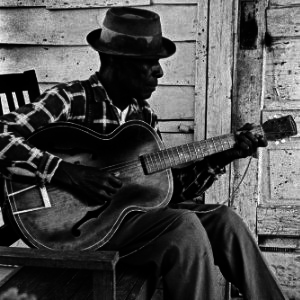
Big Bill Broonzy
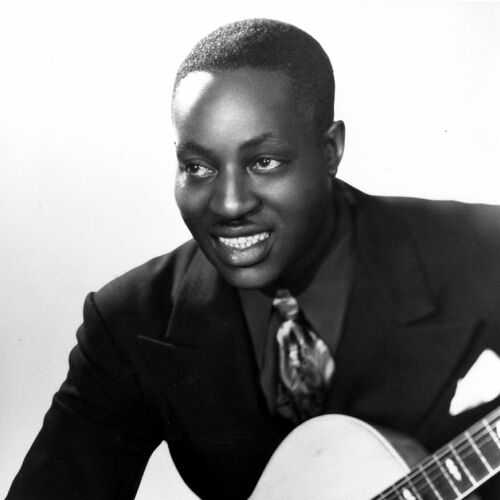
Big Bill Broonzy: The Pioneering Voice of Country Blues
Big Bill Broonzy was a foundational American country blues singer, songwriter, and guitarist whose prolific career bridged the rural Southern blues of the 1920s and the urban electric styles that followed. Born in Mississippi and raised in Arkansas, his main achievement was recording over 300 tracks, becoming a central figure in the folk blues revival and influencing generations of musicians on both sides of the Atlantic.
Early career
Born Lee Conley Bradley in 1893, Broonzy began his musical life playing homemade instruments and learning fiddle at rural dances. He moved to Chicago in the 1920s, transitioning to guitar and securing his first recording session with Paramount Records in 1927, which launched a relentless output of 78 rpm records under various names for labels like Bluebird and Vocalion.
Breakthrough
While a consistent presence on the "race records" charts of the 1930s, his true breakthrough to a wider, international audience came in the early 1950s during the American folk music revival. His role as a representative of the blues tradition was cemented through major concerts, like his famed 1951 tour with Mahalia Jackson, and albums on labels like Mercury and Folkways Records that introduced his music to a new, predominantly white audience.
Key tracks
Key to the Highway — This blues standard, first recorded by Broonzy in 1941, has been covered by countless artists including Eric Clapton and became a quintessential traveling song.
Black, Brown and White — A powerful 1945 protest song addressing racial inequality, it showcased Broonzy's skill as a social commentator and was a staple of his later live performances.
Just a Dream — His 1939 hit for Vocalion, with its smooth vocal and piano accompaniment, was a popular seller and demonstrated his adaptability within the blues genre.
Hey Hey — Often used as a show opener, this song's familiar structure and lyrical theme made it an accessible entry point for new fans during the folk revival.
His later career saw him touring Europe extensively, where he was hailed as a living legend. Albums like Big Bill Broonzy Sings Folk Songs (1956) on the Folkways label documented this era, presenting his vast repertoire of blues, work songs, and spirituals to an eager market.
Artists with a similar foundational approach to country blues include Son House, whose raw, emotional delivery shares Broonzy's Delta roots. Memphis Minnie was a peer and frequent collaborator in Chicago, known for her sharp guitar work and commanding vocals. The music of Mississippi John Hurt shares Broonzy's gentle, melodic fingerpicking style and narrative songwriting. Muddy Waters, who later electrified the Chicago blues sound, directly followed the path Broonzy helped pave from the acoustic South to the electric North.
Big Bill Broonzy's catalog remains a staple on dedicated blues radio stations and specialty programs on public radio affiliates across the United States. His recordings are frequently featured in blocks of classic country blues and historical American roots music on both terrestrial and online radio streams.
The music of blues pioneer Big Bill Broonzy continues to be broadcast on radio stations featured here on onairium.com, where listeners can discover his essential contributions to American music history through curated classic blues programming.