Rainy Day Resolution
Radio Caprice - Country/Folk Blues offers a rich blend of country, folk, and blues music, creating a soulful listening experience for fans of these genres. You can listen live to carefully curated playlists that highligh…
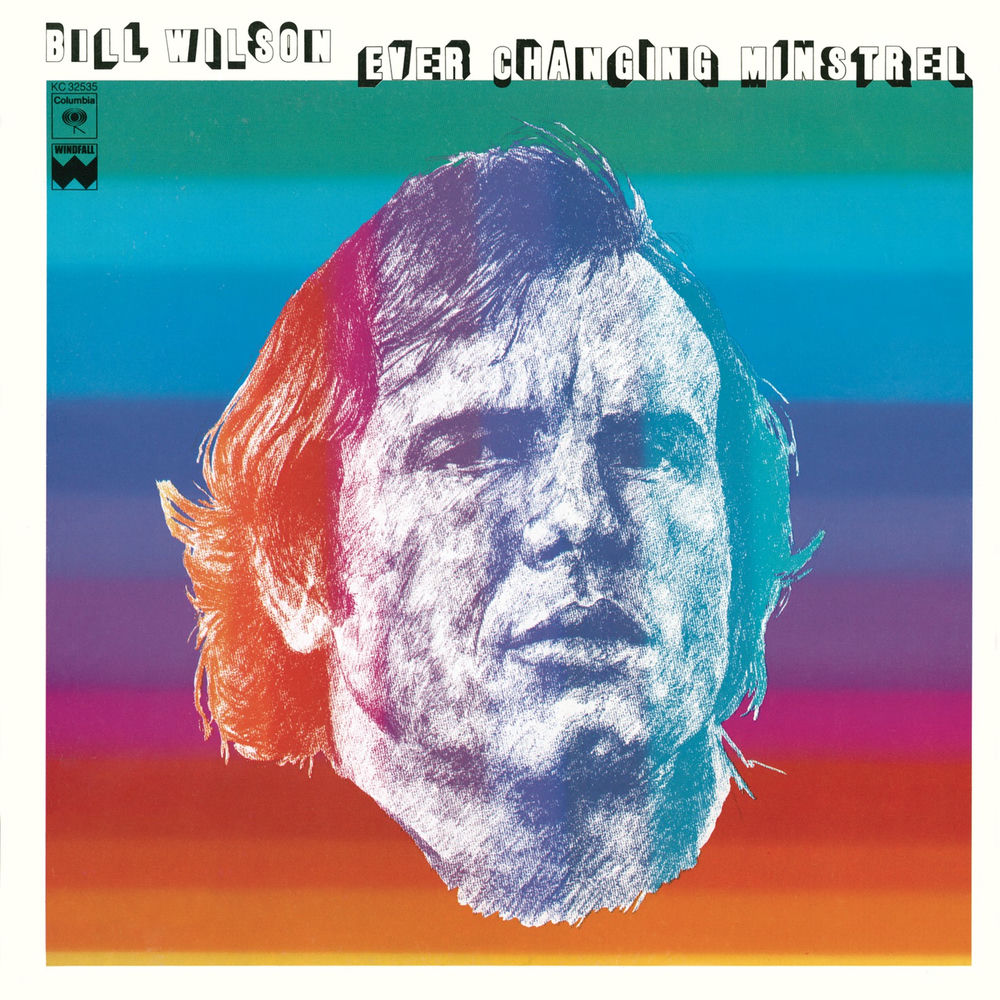
Bill Wilson is an American rock singer and songwriter whose powerful vocals and anthemic songwriting defined a generation of heartland rock in the late 1980s and 1990s. Hailing from Chicago, Illinois, Wilson achieved mainstream success with his multi-platinum second album, "Steel Town Heart," which spawned several top-ten rock radio hits and cemented his place on the stadium circuit.
Born in 1962, Bill Wilson began his musical journey in the working-class bars of Chicago's South Side. After years of local gigs with various bar bands, he formed The Bill Wilson Band in 1985 and independently released the gritty, blues-influenced EP "Midwest Nights" in 1986.
The raw energy of the EP caught the attention of A&R scouts, leading to a development deal with independent label RockSolid Records in 1987. His full-length debut, "Factory Whistle," was released that same year to modest regional sales but established a loyal fanbase across the Great Lakes region.
Wilson's major breakthrough arrived in 1991 after signing with major label Capitol Records. His label debut, "Steel Town Heart," was a slicker, grander production that perfectly captured the era's rock radio aesthetic.
The album peaked at number 12 on the Billboard 200 and was eventually certified double-platinum. Its lead single, "Rustbelt Glory," became a staple on MTV's Headbangers Ball and reached number three on the Mainstream Rock Tracks chart, introducing Wilson to a national audience.
Rustbelt Glory — This anthem became Wilson's signature song, a working-class ode that dominated rock radio for months and defined his lyrical themes.
Two Lane Highway — The album's second single showcased Wilson's melodic sensibilities and earned him his first Grammy nomination for Best Rock Song.
Heart Like a Wheel — A powerful ballad that demonstrated Wilson's vocal range and expanded his appeal beyond the hard rock audience.
Steel Town Heart — The title track's driving guitars and cinematic storytelling became a concert staple and a fan favorite for decades.
Capitalizing on this success, Wilson toured extensively for two years, opening for acts like John Mellencamp and Bob Seger. His follow-up, 1994's "American Machinery," debuted at number eight on the Billboard 200 and achieved platinum status, though it failed to match the commercial heights of its predecessor.
The mid-90s saw Wilson collaborate with notable peers, including a co-writing credit on Bonnie Raitt's 1994 album "Longing in Their Hearts" and a guest vocal appearance on the track "Solid Ground" for fellow rocker Mike McCarthy. As musical trends shifted, Wilson took a step back from major label pressures, releasing the more introspective "The Long Way Home" on a smaller imprint in 1998.
Bill Wilson's music shares a blue-collar narrative and guitar-driven sound with artists like John Mellencamp, who similarly chronicles American life. The anthemic, radio-ready quality of his 90s work aligns him with Bob Seger and his brand of heartland rock. For fans of Wilson's gritty vocal delivery and straightforward rock approach, Tom Cochrane offers a comparable Canadian perspective.
Bill Wilson's catalog remains a fixture on classic rock FM stations and online rock radio streams, where his hits from the early 90s continue to receive heavy rotation. Independent music radio stations also frequently feature deeper cuts from his later albums, celebrating his consistent songcraft beyond the commercial peak.
Listeners can discover the enduring rock anthems of Bill Wilson through the classic rock and alternative rock stations featured on our website. His music is regularly programmed on the radio stations available on onairium.com, where fans can tune in to hear the songs that built his legacy.