Billy Fury
Listen on radio stations:
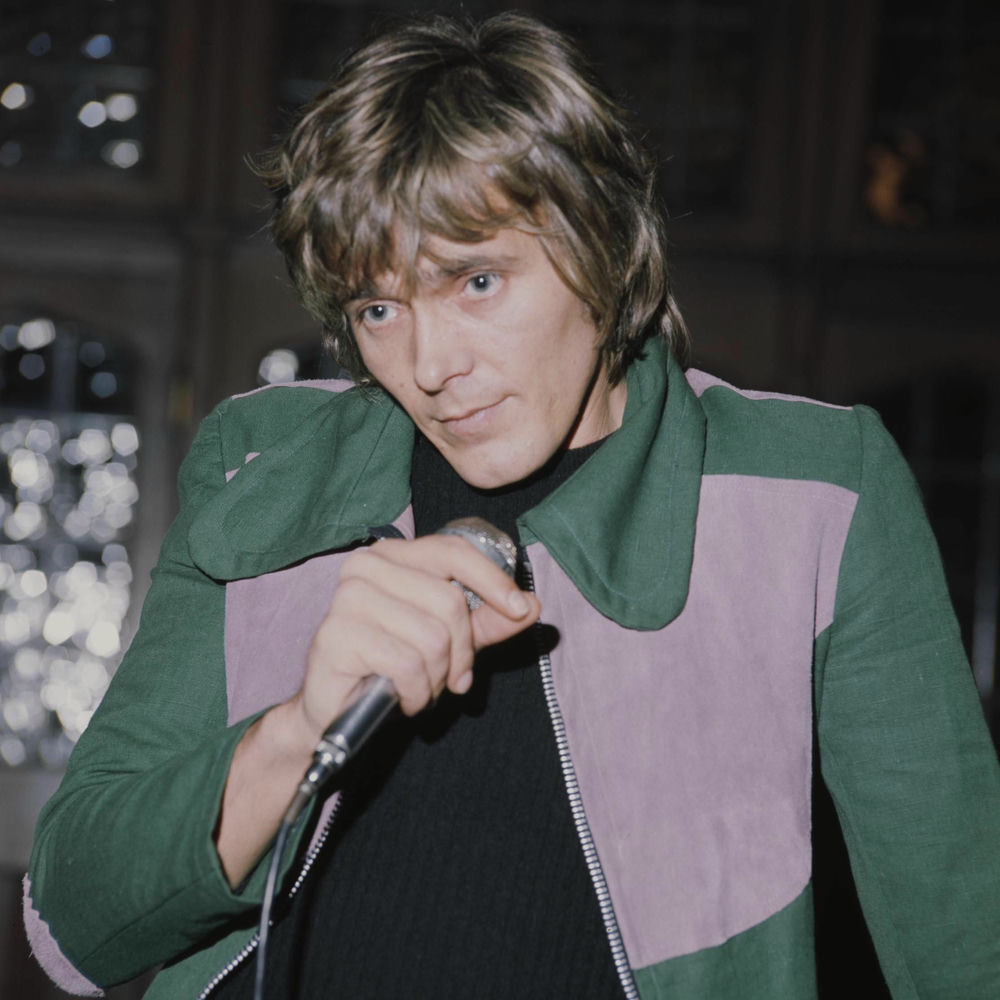
Billy Fury: Britain's Rock and Roll Heartthrob
Billy Fury was a pioneering English rock and roll and pop singer who became one of the most successful British artists of the pre-Beatles era. Hailing from Liverpool, his major achievement was placing a remarkable 24 hits on the UK Singles Chart throughout the 1960s, despite significant health challenges that impacted his career.
Early Career
Born Ronald Wycherley in 1940 in Liverpool, he began writing songs while working on a tugboat in the Mersey. His big break came in 1958 when he famously impressed manager Larry Parnes backstage at a concert, leading to an immediate name change to Billy Fury and a recording contract with Decca Records. His early releases, including the self-penned "Maybe Tomorrow" and "Margo," established him as a rare British rock and roll talent who could write his own material.
Breakthrough
Billy Fury's breakthrough arrived in 1959 with the double-sided hit "Maybe Tomorrow" / "Gonna Type a Letter," which began his long-running chart success. His popularity was cemented in 1960 with the rock and roll anthem "That's Love" and the ballad "Halfway to Paradise," the latter reaching number 3 on the UK chart. This period saw him starring in the early British rock film "Play It Cool" and releasing his debut album, *The Sound of Fury*, a landmark British rock and roll record featuring Joe Brown's Bruvvers.
Key Tracks
Maybe Tomorrow - This self-written song was his first hit in 1959, showcasing his raw rock and roll sound and songwriting talent from the start of his career.
Halfway to Paradise - A major 1961 hit written by the Brill Building team of Goffin and King, it demonstrated his successful transition into a more polished pop ballad style.
Jealousy - This 1961 single became one of his signature songs, reaching number 2 on the UK chart and solidifying his status as a teen idol.
Like I've Never Been Gone - A powerful 1963 ballad that highlighted the dramatic, orchestral pop direction his music often took, becoming another top 5 hit.
In Thoughts of You - This 1965 release is a prime example of the lush, dramatic pop production that characterized his mid-60s work, maintaining his chart presence.
Throughout the mid-1960s, Billy Fury continued to score hits like "I Will" and "It's Only Make Believe," though changing musical trends began to affect his commercial standing. His career was persistently hampered by rheumatic fever contracted in childhood, which led to a heart condition and forced frequent breaks from touring. After leaving Decca for Parlophone in 1966, he focused more on live performances and later cultivated a career in country music, while also pursuing his interest in wildlife and animal conservation.
Artists with a similar classic British pop and rock and roll sound from the same era include Cliff Richard, who shared a similar trajectory as a foundational British rock and roll star. The early sound of The Shadows is also comparable, especially in their instrumental rock work. For the rockabilly-inflected side of his music, Marty Wilde was a key contemporary. The pop balladry of Adam Faith also occupied a similar space in the UK charts during the early 1960s.
Billy Fury's music remains a staple on classic pop and rock radio stations, particularly those dedicated to the golden age of British music. His recordings are frequently featured on oldies programming and specialist rock and roll shows, ensuring his legacy endures for new generations of listeners. The songs of Billy Fury continue to be celebrated for capturing the spirit of a transformative era in British music history.